




2 – 3 years





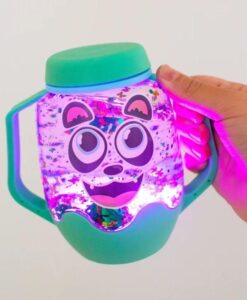





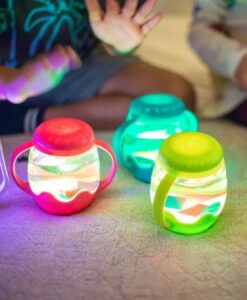
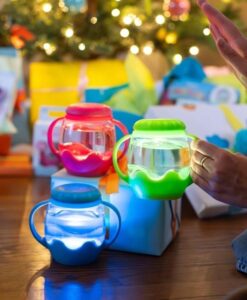
Mini Sensory Light Jar
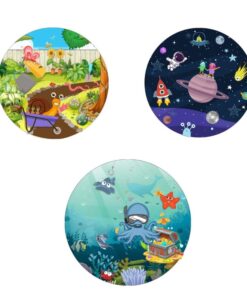
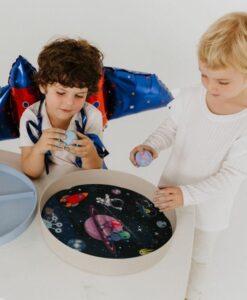
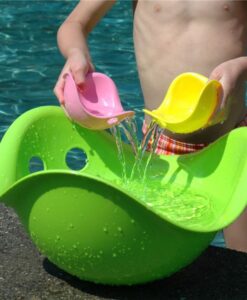
Sensory Base Mat – Exploration Tray

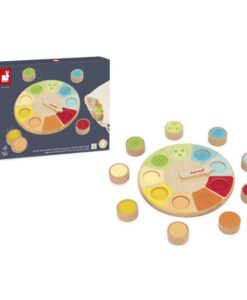
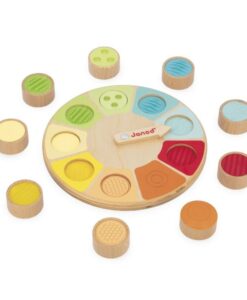
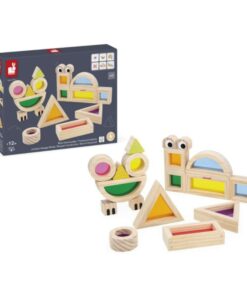
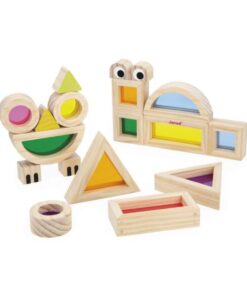


At two, the ability that changes childhood play more than any other appears: that one object can stand for another. A banana is a phone, a box is a car, a doll eats from an empty plate. Before this, play was manipulation; from here on, it is storytelling.
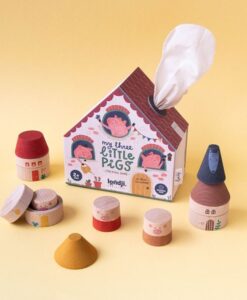
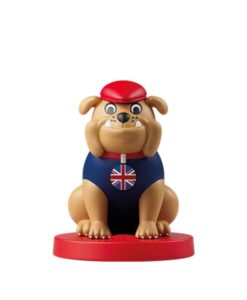
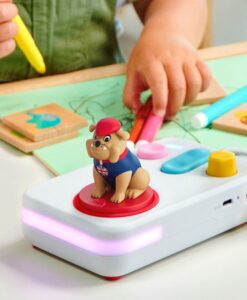
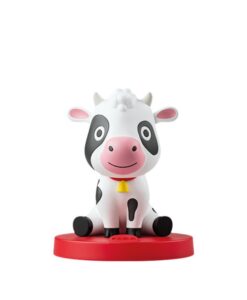
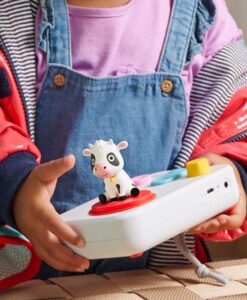
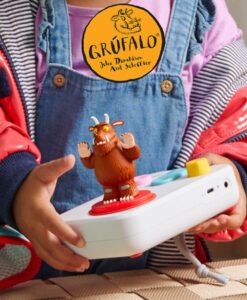
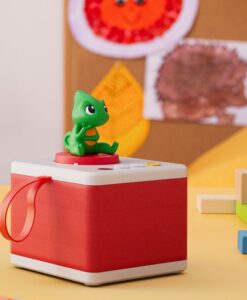
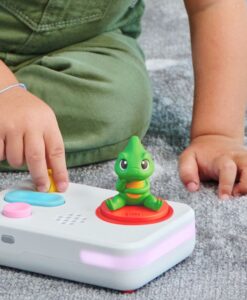
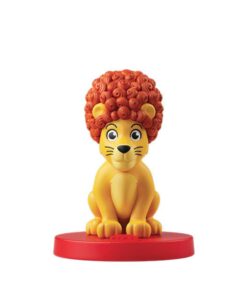
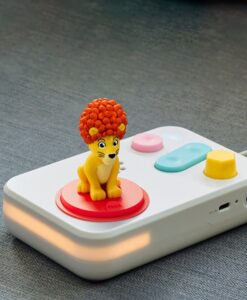
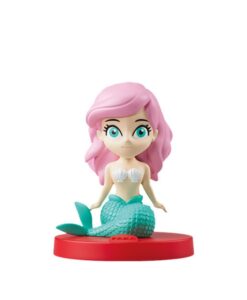
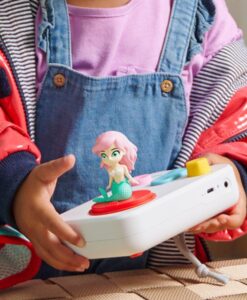
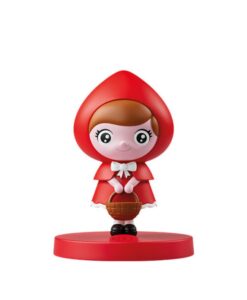
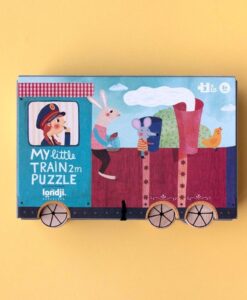
Here you will find what supports that leap: story characters and sets, inset puzzles, first imitation play, songs and language material.
Part of toys by age. Before: 1 to 2. Next: 3 to 6.
Why symbolic play matters so much
When a child uses a stick as if it were a spoon, they are doing something mentally identical to using the word "spoon" for a spoon that is not in front of them: letting one thing stand for another.
That is why symbolic play and language travel together, and why speech therapists watch it so closely: a child who does not symbolise in play is often a child who is finding language hard too.
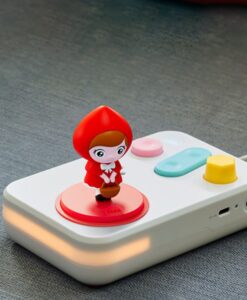
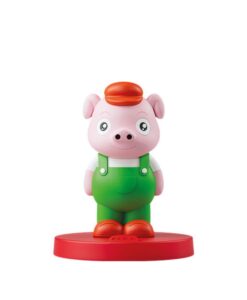
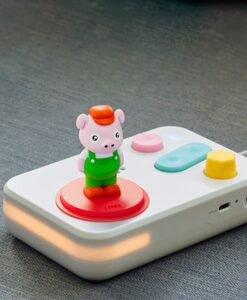
It is supported by loosely defined material and by an adult who actually plays. A character set from a familiar story works particularly well, because it gives a starting narrative the child can repeat and then alter.
"Me on my own" and tantrums are the same thing
At two a child discovers they are a person with a will of their own, and they test it constantly. The frustration of this age nearly always takes the same shape: they want to do something they cannot yet do, and lack the language to explain the problem.
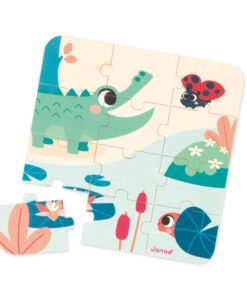
The purchase that works best in this band is the one that lets them achieve something unaided. An inset puzzle that works first time, a cup they can drink from alone, characters they can arrange however they like. Every small autonomous success lowers the background level of frustration more than any tantrum-management technique.
And the reverse holds: toys too difficult for their age do not stretch them, they overwhelm them.
The same story forty times
This is the stage of the same book every night, the same song, the same play sequence. It wears the adult out and it is exactly what the child needs.
Repetition is what lets them anticipate, and anticipating is what gives security and frees up mental space to notice new details. The fifth time they hear a story they are not hearing what they heard the first time: they are hearing the words, because they already know the plot.
Frequently asked questions
What is symbolic play and when does it start?
Using one object to represent another — a box as a car, a stick as a spoon — starting around 18 to 24 months. It is a mental ability from the same family as language: in both cases, something stands for something else. That is why it is watched closely in speech therapy.
What toys suit a 2 year old?
Inset puzzles they can solve, story characters and sets for imitating situations, everyday-life imitation material and books with clear images. The useful criterion is whether they can manage it alone: at this age autonomous achievement beats novelty.
Why the same story every night?
Because repetition allows anticipation, and anticipation provides security. Once they know the story, their attention is free to notice the words and the details. It is a useful phase, however exhausting for the adult.
Do any toys help with tantrums?
Indirectly, yes. Most tantrums at this age come from wanting to do something not yet possible and lacking the words to explain it. Material a child can resolve unaided lowers background frustration far more than any technique applied mid-meltdown.