




Emotional education











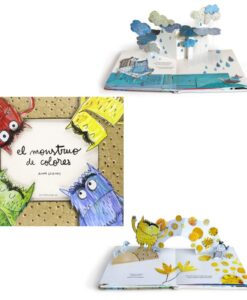
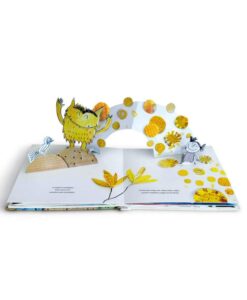

El monstruo de colores – Story
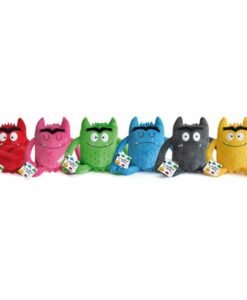
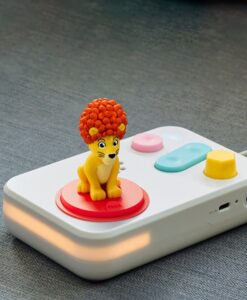
El monstruo de colores – Cuddly toy

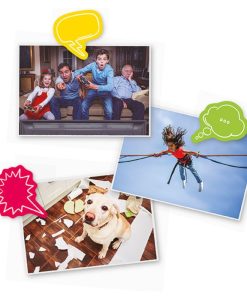
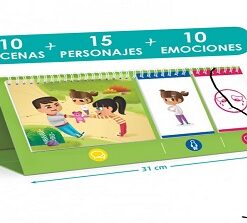
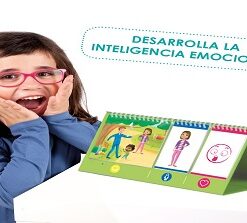
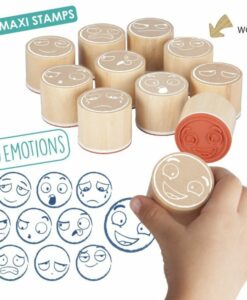
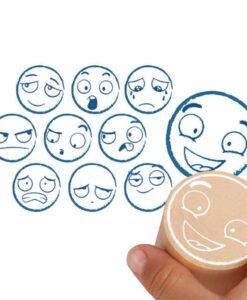
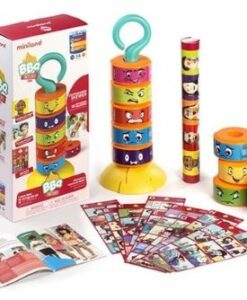
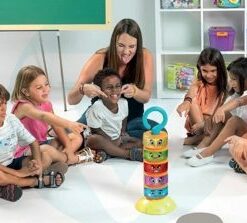
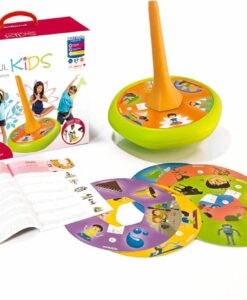
A child can’t manage an emotion they can’t name. Before “calming down” there’s an earlier step that gets skipped constantly: noticing what’s happening and being able to put a word to it. That’s the real work, and it starts with vocabulary.
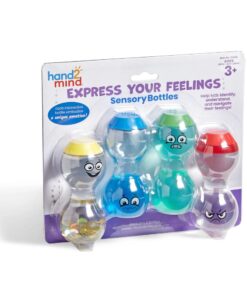
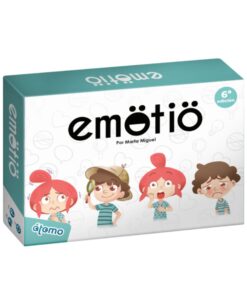
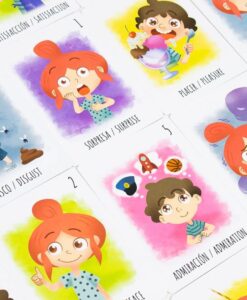
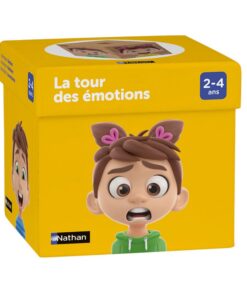
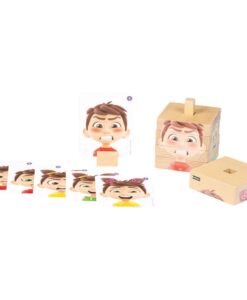
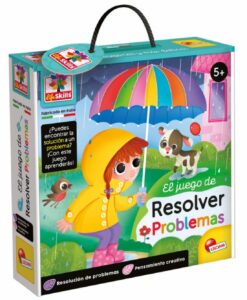
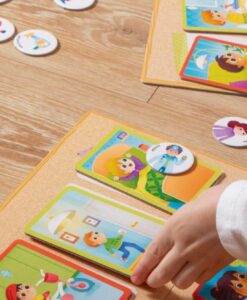
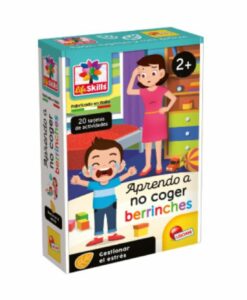
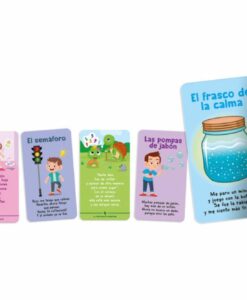
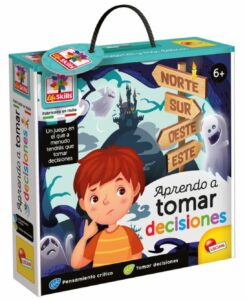
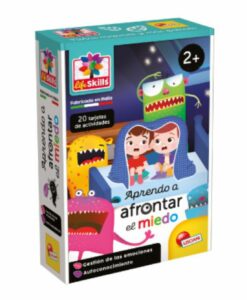
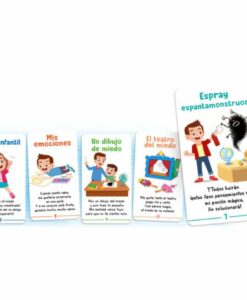
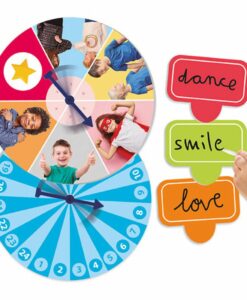
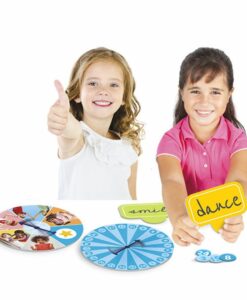
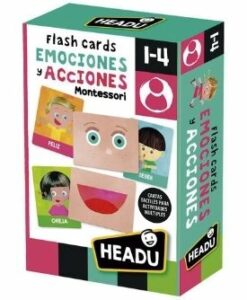
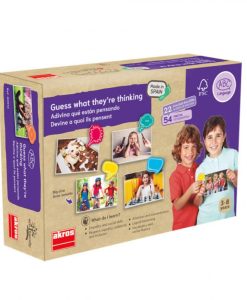
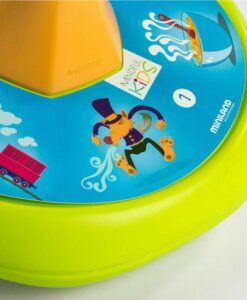
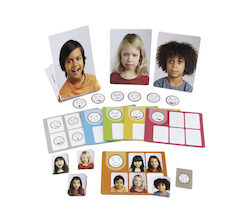
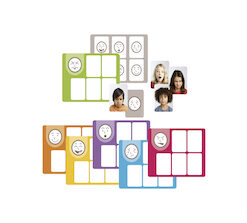
Here you’ll find emotion identification games, wheels and towers for conversation, photo cards with real faces, and picture books about anger, fear, sadness and self-esteem.
It is part of game type and connects with cooperative play.
Three steps: recognise, name, regulate
- Recognise. Noticing what happens in the body: the racing heart, the knot in the stomach, the heat in the face. Many children reach six without ever having paid attention to that.
- Name. Putting a word to it. There's enormous room here: most children work with three or four — happy, sad, angry, scared — when the real map includes frustrated, disappointed, jealous, embarrassed, anxious, relieved. Each new word is a new tool.
- Regulate. Doing something about it. Only possible once the first two steps are in place.
Why picture books beat direct conversation
Asking an angry child "why are you angry?" almost never works: mid-meltdown they have no access to reflective language, and it puts them on the spot.
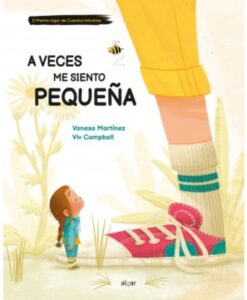
A picture book solves this indirectly. It's about a character, not about them, and that distance is exactly what lets them recognise themselves without feeling singled out. A book about a monster who erupts makes it possible to say "that happens to me too" from somewhere safe.
Two conditions: read it when things are calm, not mid-meltdown, and don't finish with a moral.
Emotions, autism and alexithymia
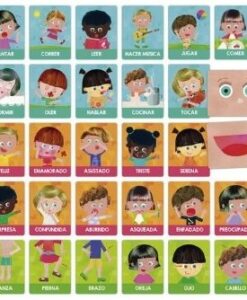
For many autistic children, identifying emotions — their own and other people's — isn't intuitive, and explicit visual material stops being a support and becomes the main tool. Photo cards with real faces work better than drawings, because real faces are what they'll have to read outside.
Worth remembering something often forgotten: the difficulty can lie in recognising their own emotions too. A child can be deeply distressed without knowing it. Working on the link between body sensation and word is usually more useful than starting with reading other people's faces.
Frequently asked questions about emotions games
What age can you start working on emotions?
From 2-3, by naming what's happening in the moment: "you're cross because you wanted to keep playing". By 4-5 identification games work, and from 6 you can work on regulation more explicitly.
What do I do during a meltdown?
During it, very little: stay close, stay calm, keep everyone safe. The brain isn't available for reasoning at that point. The real work happens afterwards, when things are calm, and beforehand, by anticipating the situations you know overwhelm them.
Are emotions games useful for autistic children?
Yes, and often especially necessary. Materials with real-face photographs work better than illustrations, and it's worth including work on their own bodily sensations rather than only reading others' faces.
How many emotions should a child be able to name?
There's no official number, but a useful principle: the more, the better they regulate. Going from four labels to ten or twelve makes a real difference, because it allows "frustrated" and "angry" to be told apart.