




Teethers and rattles
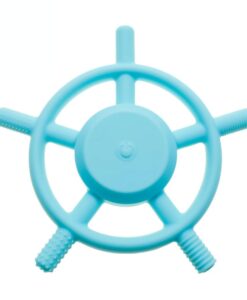
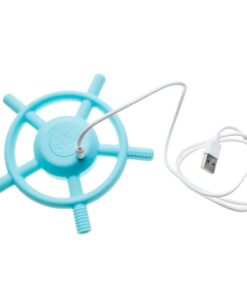
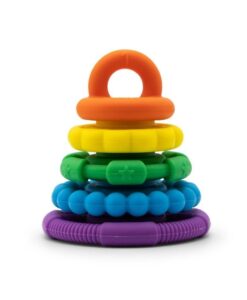
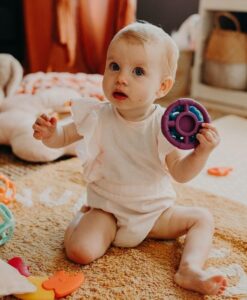


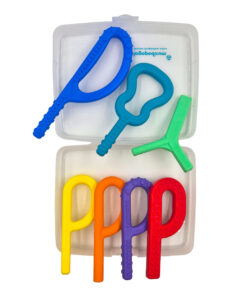
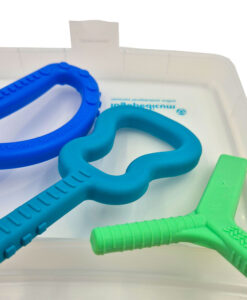


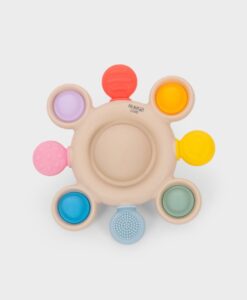


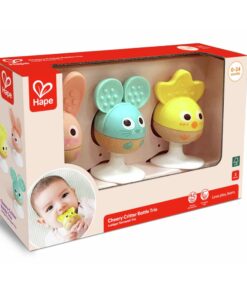

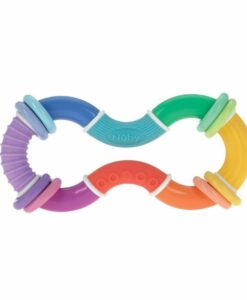
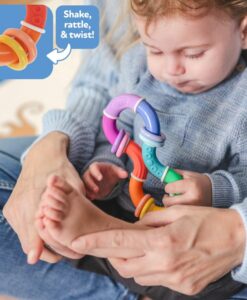

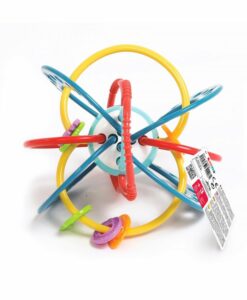
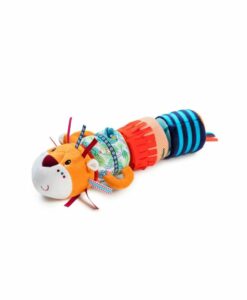
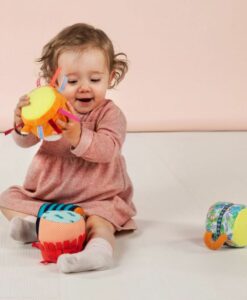
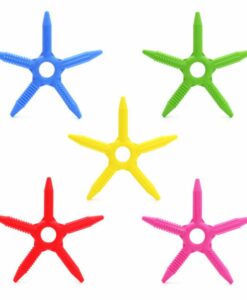
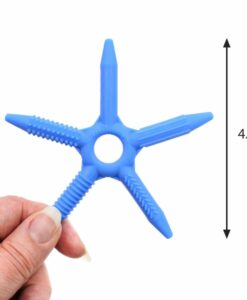
Texture teether – Sun star
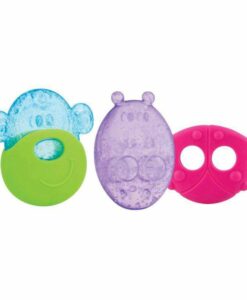
Cold teether with cover – IcyBite
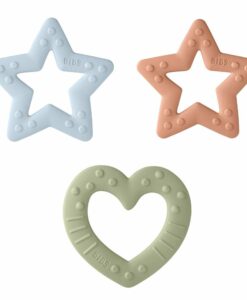
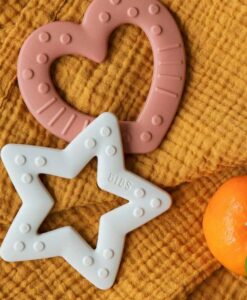
Baby Bitie Teether
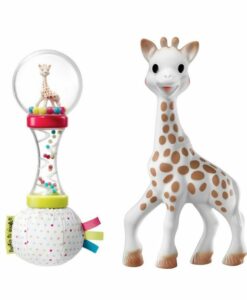
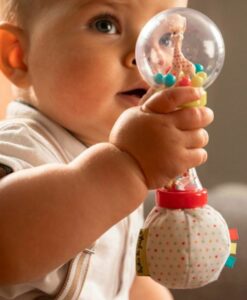
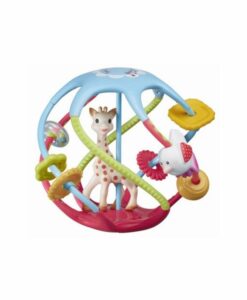
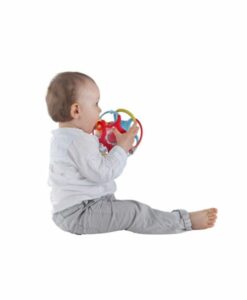
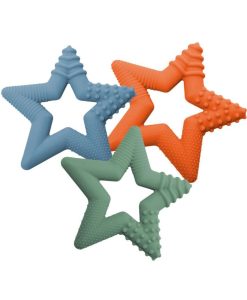
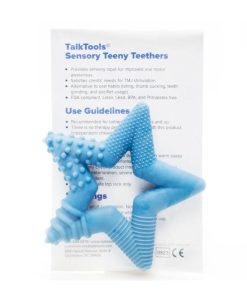
Star Sensory Teether – Talk Tools
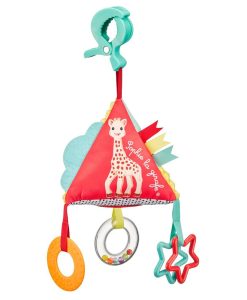
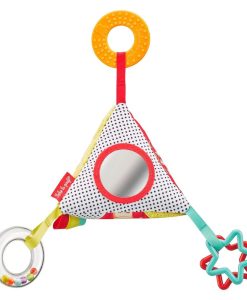
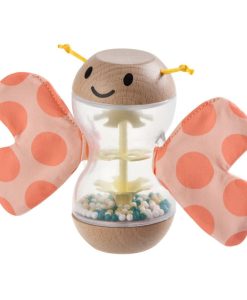
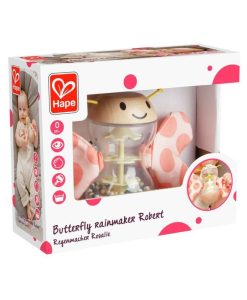
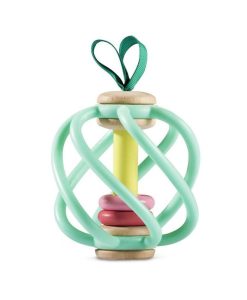
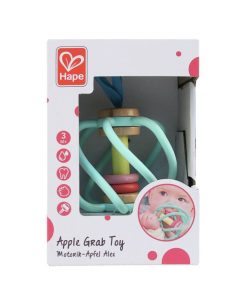
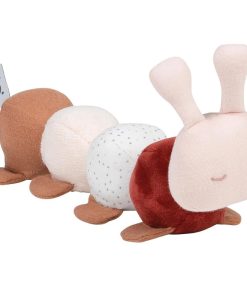
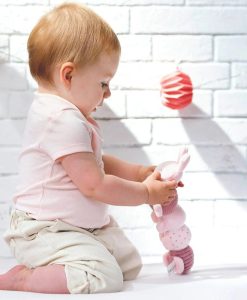
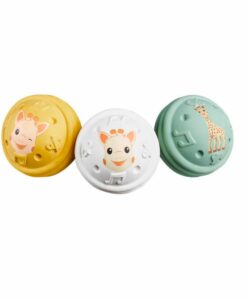
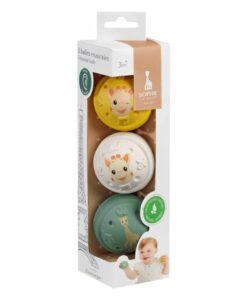
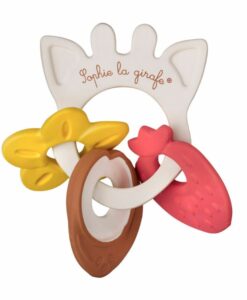
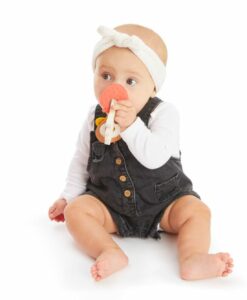
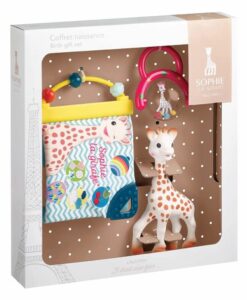
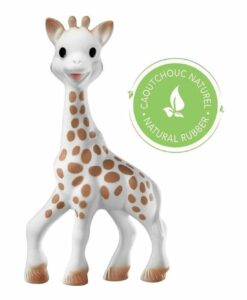
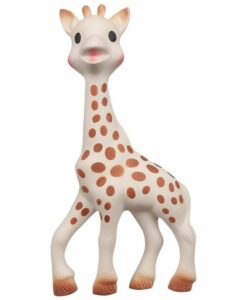
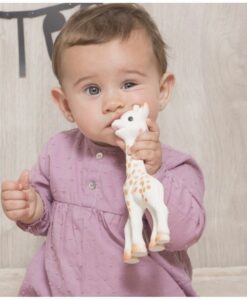
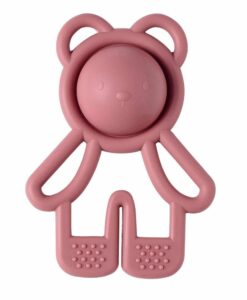
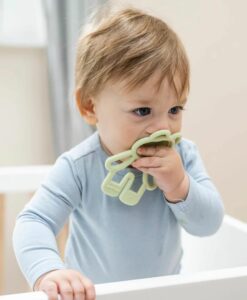
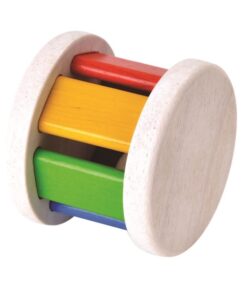
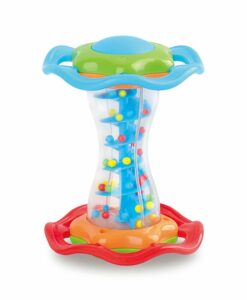
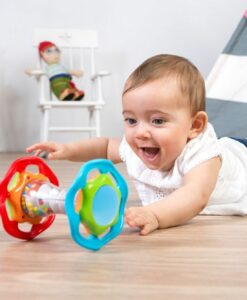
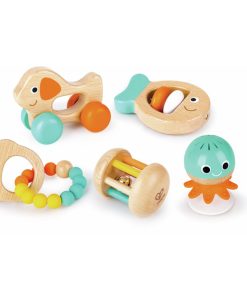
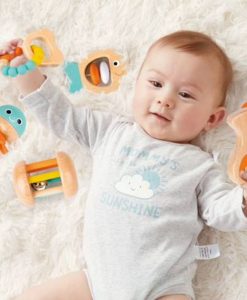
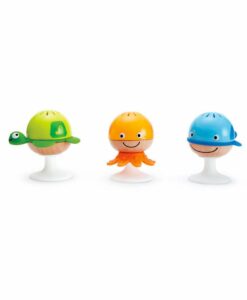
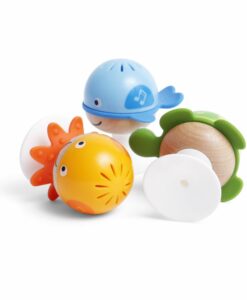
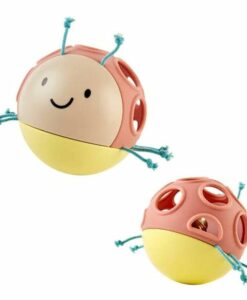
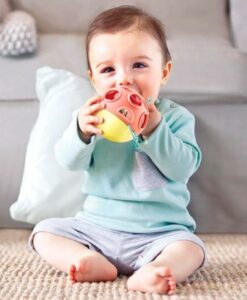
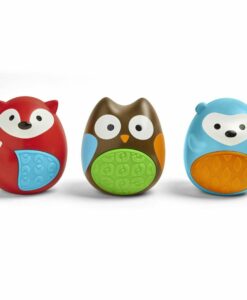
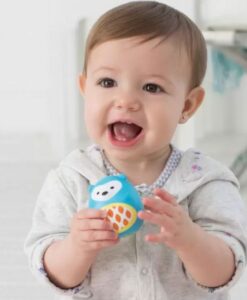
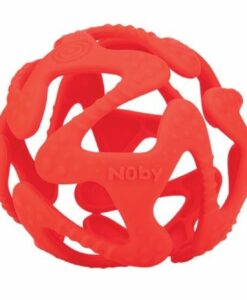
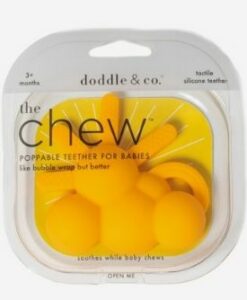
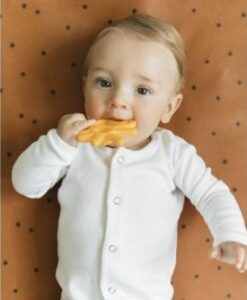
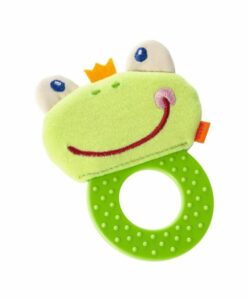
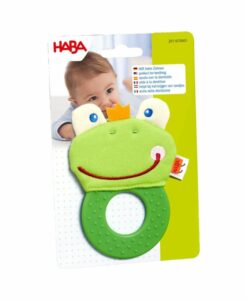
A rattle is the first real toy: it makes a sound when the baby moves it, and that discovery — “if I do something, something happens” — is the beginning of cause and effect. Soon after comes the mouth, which is how babies explore the world, and with it the teether.
At logopedicum we gather rattles and teethers designed for first hands: food-grade silicone and natural wood, easy-to-grip shapes, gentle sounds and textured surfaces for sore gums. BPA-free materials, easy to clean, from brands such as Hape and ARK Therapeutic.
They are part of our toys by type. If you are specifically after teething material, visit teethers in Baby World.
Rattles: the first cause-and-effect toy
Shaking a rattle and hearing the noise is a baby's first lesson in cause and effect, and their first coordination training too: following the sound with their eyes, turning the head, reaching and grasping. That is why rattles are a staple of early stimulation — they work auditory attention, visual tracking and grip, all in an object that fits in one hand.
What you will find in this category
- Wooden and silicone rattles, with gentle sounds and easy-to-hold shapes.
- Silicone teethers with ridges and textures to soothe gums.
- 2-in-1 rattle-teethers: they sound and they soothe — the most versatile of the first months.
- Grasping balls and rings for grip and passing from hand to hand.
From rattle to language
It sounds like a big leap, but it isn't: before speaking, a baby needs to discover that their actions get responses. A rattle teaches exactly that. And sharing the play — the adult shakes, the baby watches, the adult waits — trains joint attention and turn-taking, the foundations of conversation. That is why these objects appear so early in early intervention.
Frequently asked questions about rattles and teethers
From what age is a rattle used?
From the first months as auditory and visual stimulation (shaken by the adult), and around 3-4 months the baby grasps and shakes it alone. Choose lightweight models with a gentle sound and a size they can hold without effort.
Which materials are safest in teethers and rattles?
Food-grade silicone, natural rubber and untreated wood, all BPA-free. They should be single-piece or firmly joined, with no small parts that could come loose, and easy to wash.
How do they differ from therapeutic chew tools?
A teether soothes teething and supports the baby's oral exploration. A therapeutic chew tool is used in speech therapy to work on chewing and orofacial motor skills, with specific shapes and hardness levels. For that material, see the orofacial motor skills section.