




Inclusive toys
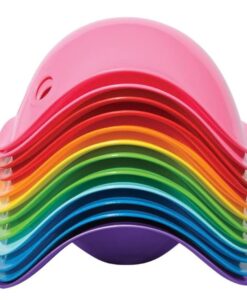
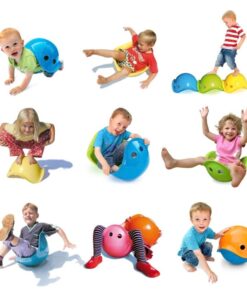
Bilibo Moluk – Balance and Movement Toy


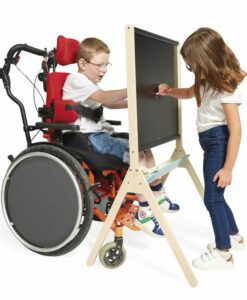
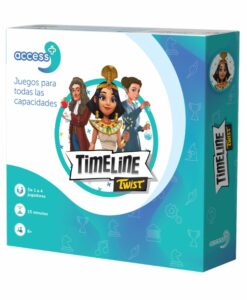
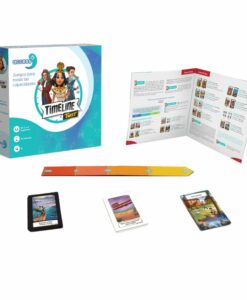
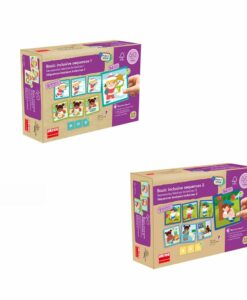
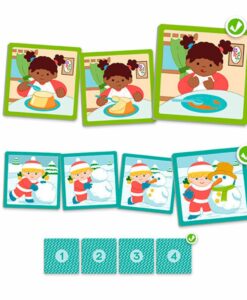
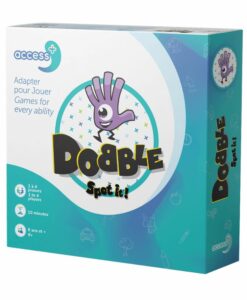
Inclusive basic sequences
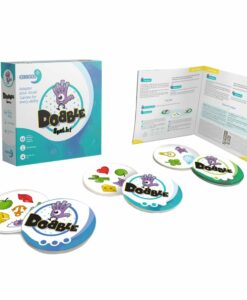
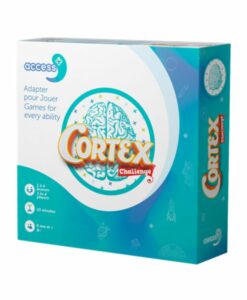
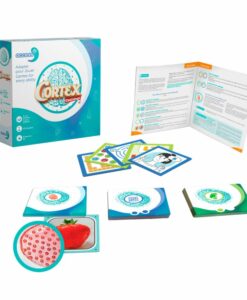
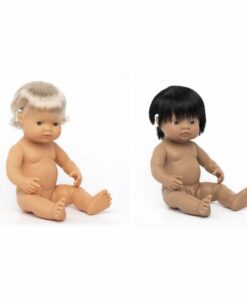
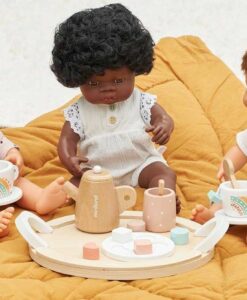
Doll with cochlear implant
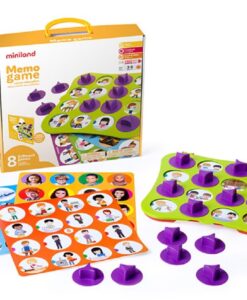
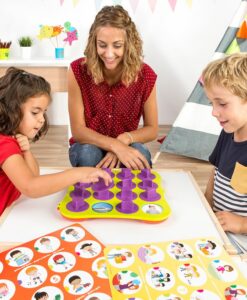
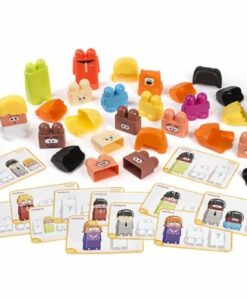
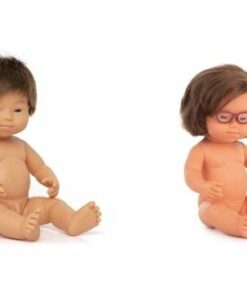
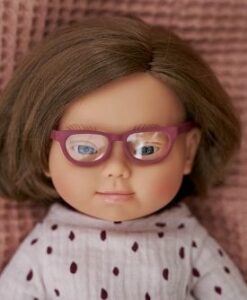
Down Syndrome Doll
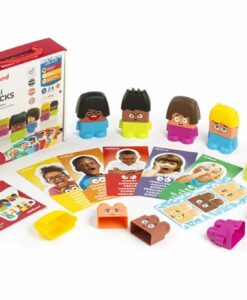
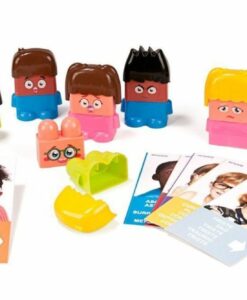
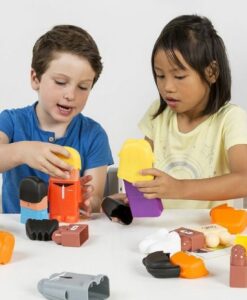
An inclusive toy is simply a toy every child can play with. It is not a “special” version for a few: it is a design thought through well enough — with visual supports, clear rules, manageable pieces and several difficulty levels — that nobody is left out of the game.
At logopedicum we select inclusive toys and adapted materials: resources with pictograms and images, sequence games, accessible communication materials and open-ended play that works across different abilities and ages at once.
They are part of our toys by type and pair with sensory toys, also widely used in inclusive settings.
What makes a toy inclusive
It is not a label but a set of concrete features: visual supports (pictograms or images replacing text), simple and adjustable rules, manageable piece sizes, durable materials and several valid ways to play. When a game has all that, a child with communication, motor or attention difficulties can take part as an equal — and the group doesn't have to make an exception for them.
What you will find in this category
- Materials with pictograms and images to support understanding without relying on reading.
- Sequence games and anticipation, useful for structuring routines and narratives.
- Communication and emotion resources to express how each child feels.
- Open-ended, adaptable play, with no single correct way to play.
Inclusion in the classroom and at home
In the classroom, these materials let the activity stay the same for everyone, changing only the level of support. That is far stronger than preparing a separate worksheet: it avoids singling the child out and encourages play with classmates. At home and in therapy they also support augmentative communication, anticipating routines and joining in family games.
Frequently asked questions about inclusive toys
What is an inclusive toy?
It is a toy designed so children with different abilities can play together: it includes visual supports, adjustable rules, manageable pieces and several ways to take part. It is not a "special" toy — it is one designed for everyone.
Are they only for children with disabilities?
No. They are designed for the whole group: visual supports and clear rules also help younger children, those learning the language and those with attention difficulties. That is the idea behind universal design.
Which materials help a child who doesn't speak yet?
Those using images and pictograms to choose, request and express emotions, and sequence games that let them anticipate what will happen. They are the basis of augmentative communication and let the child take part without spoken language.