




Sensory balls
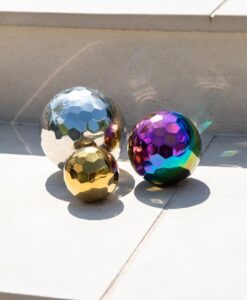
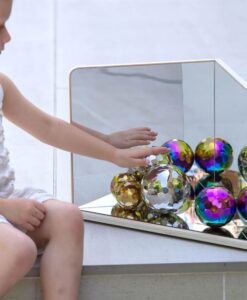
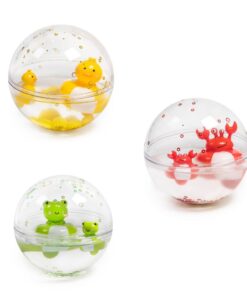

Bolas sensoriales – Happy Bubble
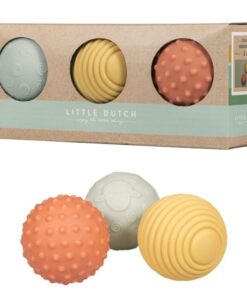

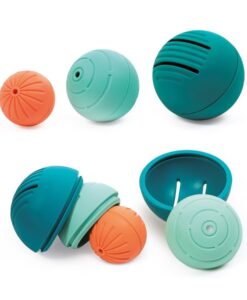
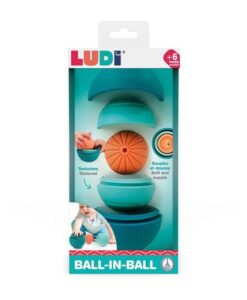


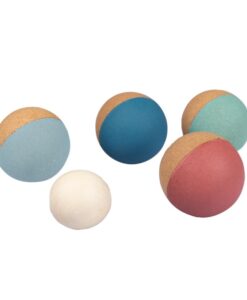

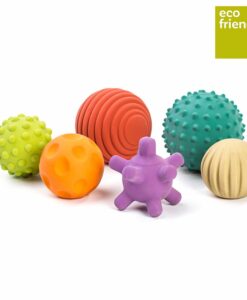
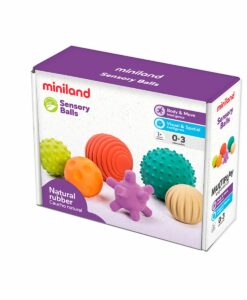
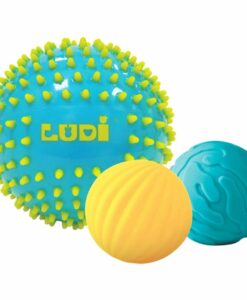
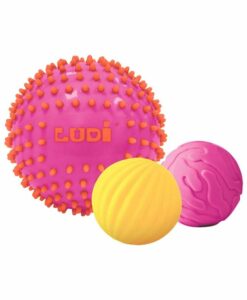
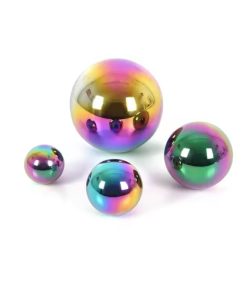
Bicolor sensory balls
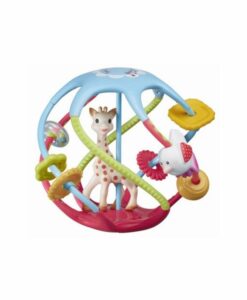
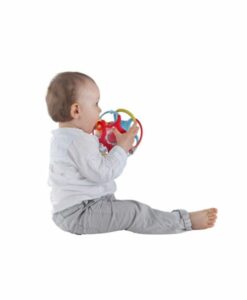
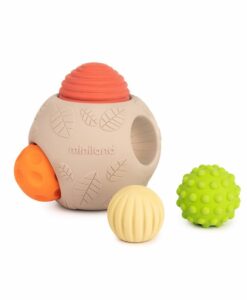
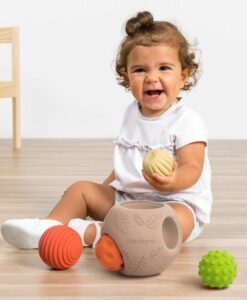
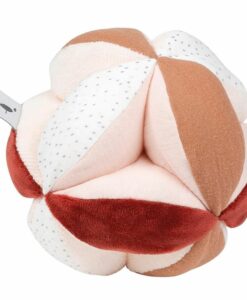
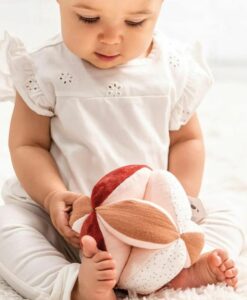
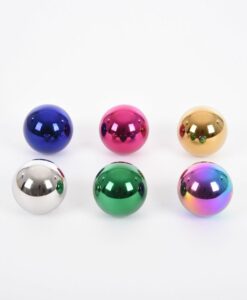
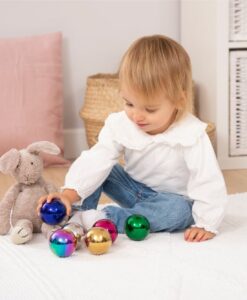
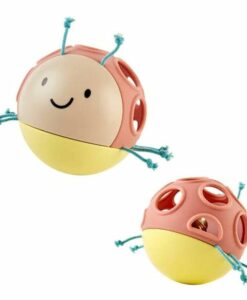
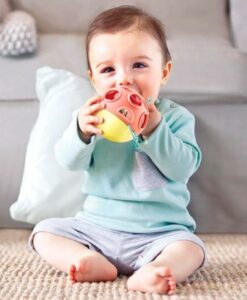
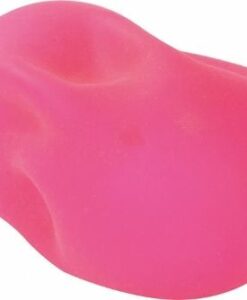
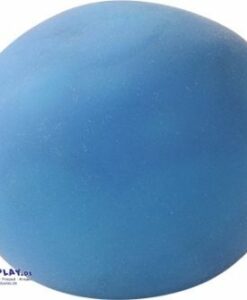
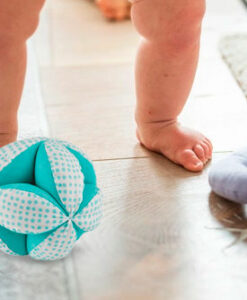
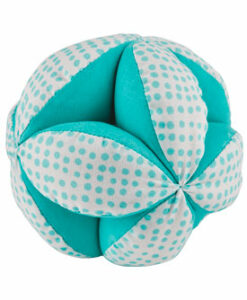
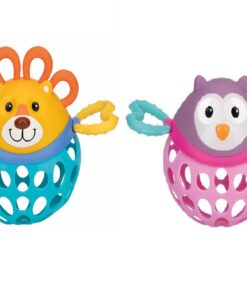
Fun teething rattle
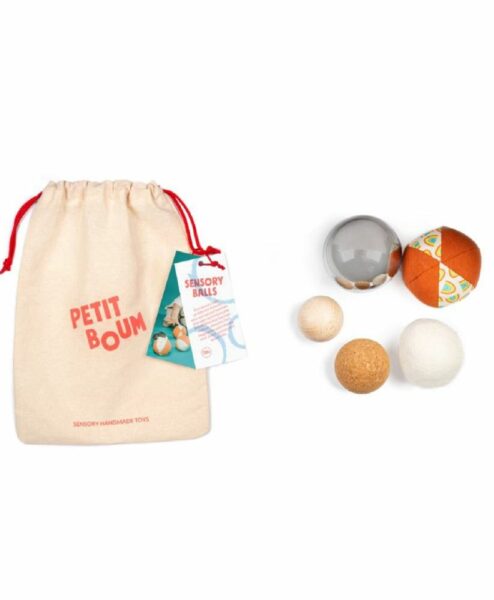
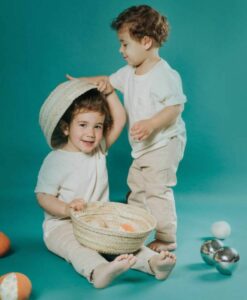
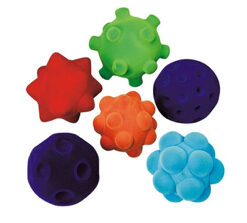
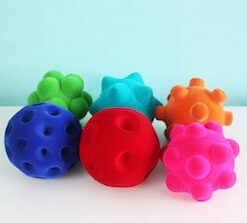
Velvet balls
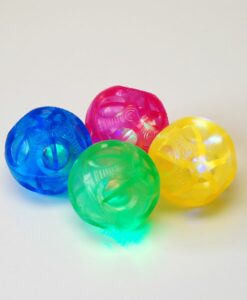
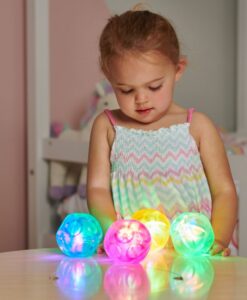
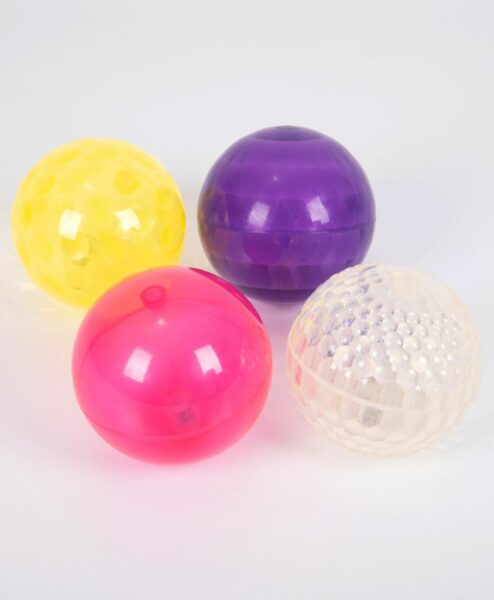
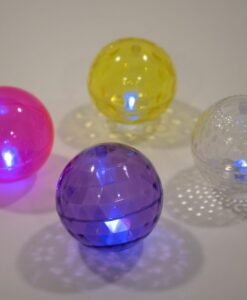
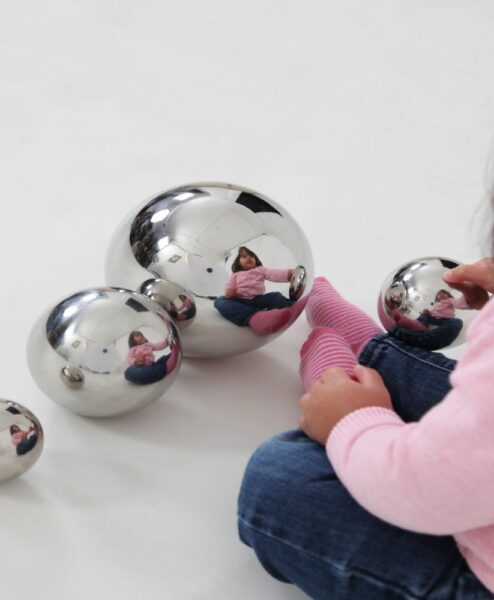
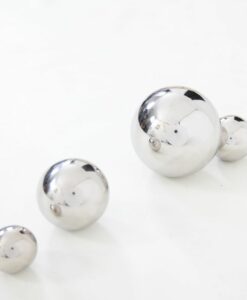
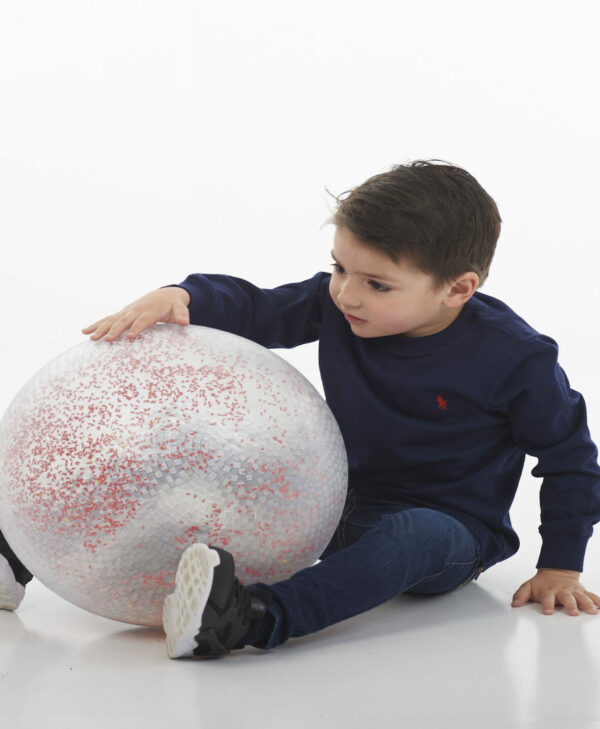
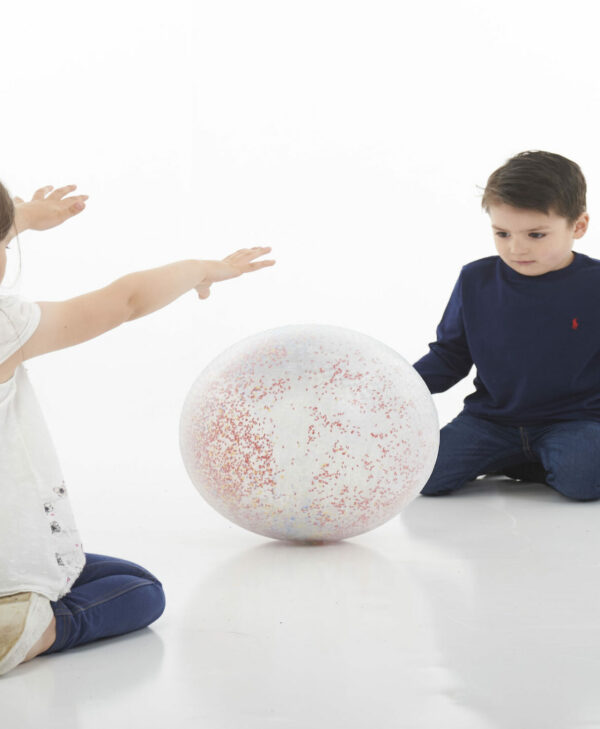
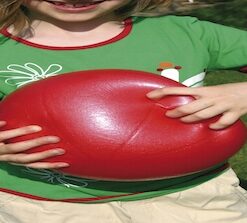
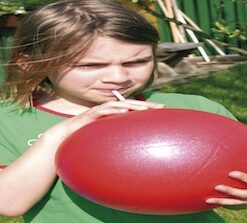
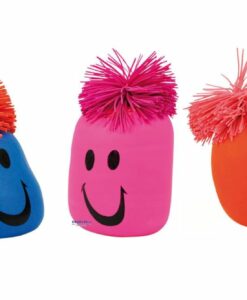
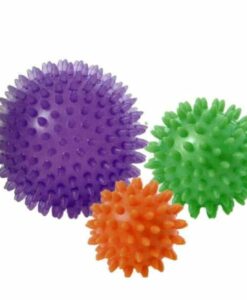
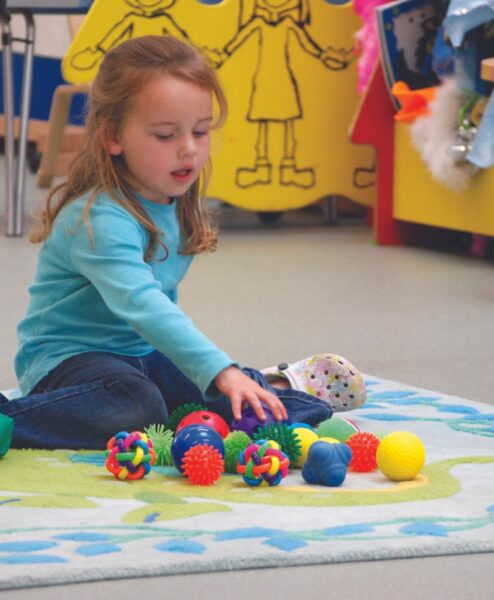
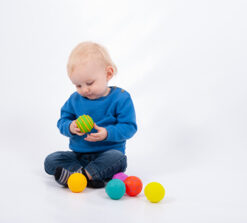
A textured ball isn’t a second-rate toy: it’s the most versatile piece of sensory equipment there is. It fits in a pocket, doesn’t draw attention in class, works for calming and for alerting, and can be used on the floor, in the hand or against the back.
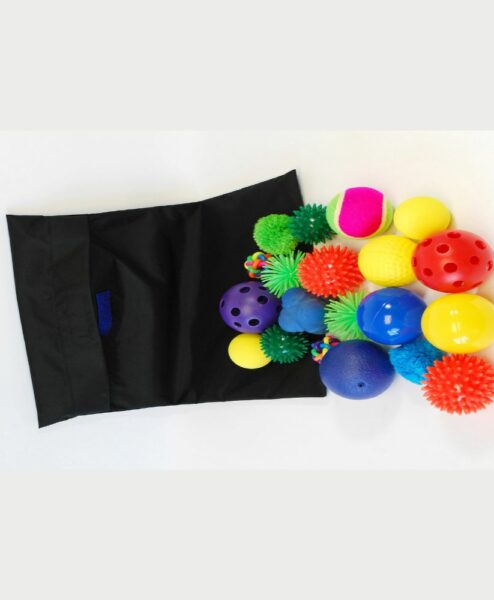
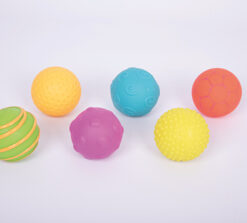
There are 34 items here, differing in texture, weight, size and resistance.
The four things that tell them apart
Texture
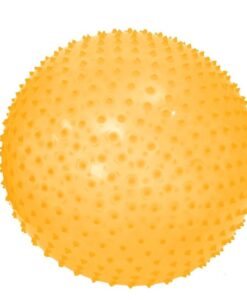
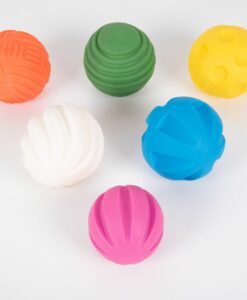
From smooth to soft spikes. The more pronounced the texture, the more tactile signal it gives — and the less a hypersensitive profile will tolerate it at first.
Weight
Weighted balls work proprioception, not touch. They give information about force and position, and they work well in throwing and catching tasks.
Size
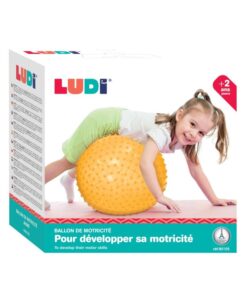
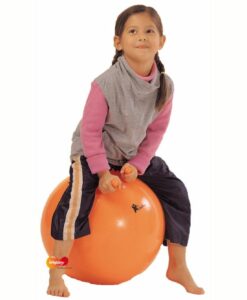
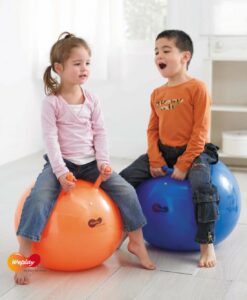
Small ones are for the hand and for carrying. Large ones are used with the whole body, sat on or rolled against the back.
Resistance
Soft ones squeeze and return; firm ones bounce. For hand strength work you want one that pushes back, not one that flattens on its own.
What they're actually used for
Regulation. Squeezing gives deep proprioceptive input, one of the most reliable routes to bringing arousal down. That's what makes it work as a calm object in class.
Hand strength. Before the pinch comes overall strength. Squeezing is the simplest exercise there is, and the one that least looks like an exercise.
Tactile work. Tolerating textures is a target in itself for many profiles, and a ball lets you grade it: start smooth and work up.
Throwing games. Hand-eye coordination and anticipation, with the advantage that a sensory ball is light and unintimidating.
What to check before buying
That it's washable, because it ends up on the floor and in mouths. That it has no small parts if the child mouths objects. And that the texture is right: the commonest mistake is buying the most eye-catching one — big spikes — for a child who can't yet tolerate smooth.
Frequently asked questions
Which one should I start with?
A medium texture, hand-sized, with some resistance. It covers regulation, strength and tactile work without committing to any one profile. Build out from there based on how they respond.
Do they work for adults?
Yes. They're used in hand rehabilitation, anxiety work and day centres. For adults, go bigger and firmer.
Can they be used in class without being a distraction?
Yes, if it's agreed in advance: when it can be picked up, where it lives, and what happens if it gets thrown. Without that agreement it becomes a toy and stops being useful.