




Montessori
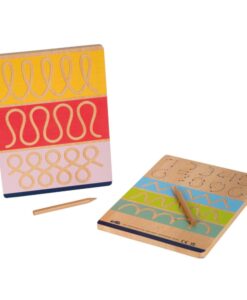

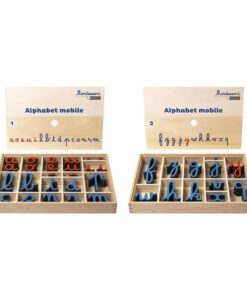




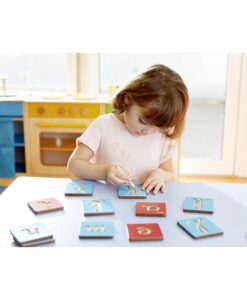
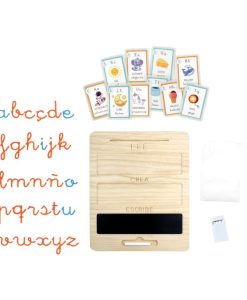
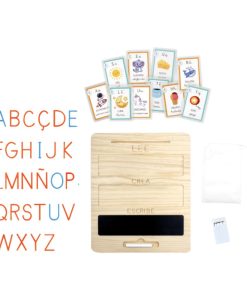
Writing station
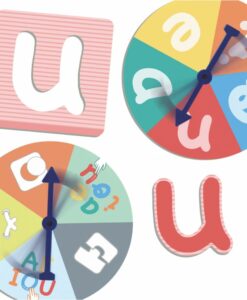
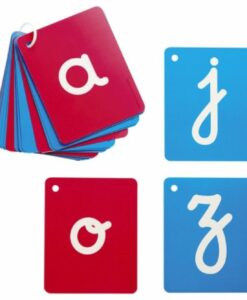


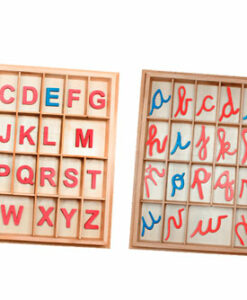
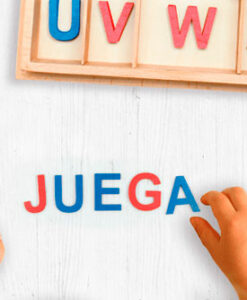
Wooden alphabet maxi
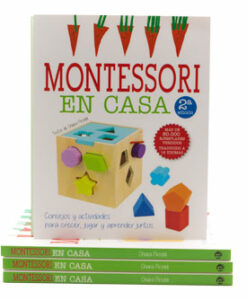
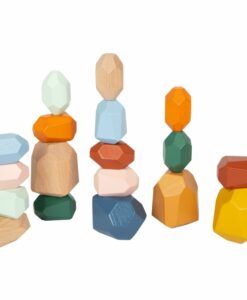

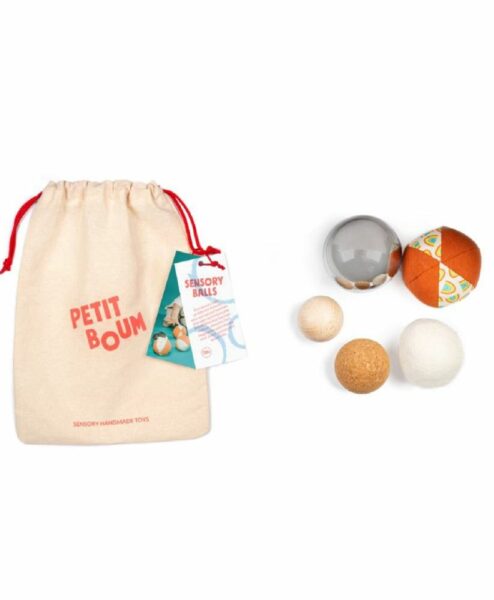
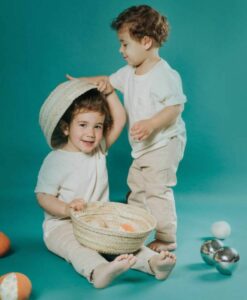
A Montessori toy is recognised by what it doesn’t do: it doesn’t talk, doesn’t play sounds by itself, doesn’t light up and doesn’t congratulate. Everything that happens is put there by the child. And that apparent shortcoming is exactly why it lasts months rather than an afternoon.
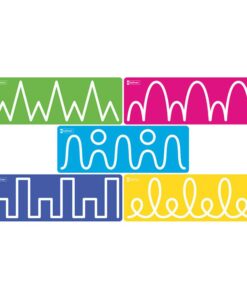
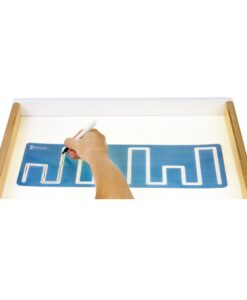
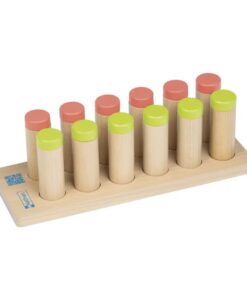
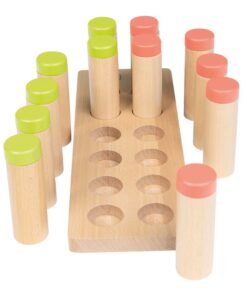
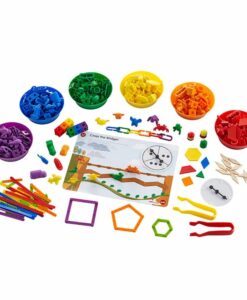
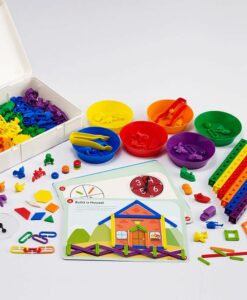
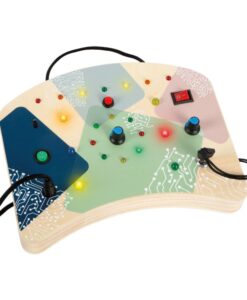
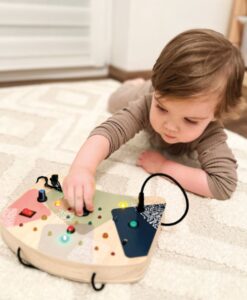
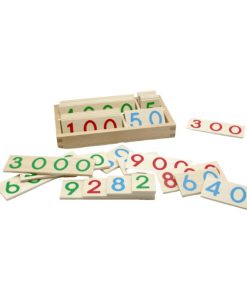
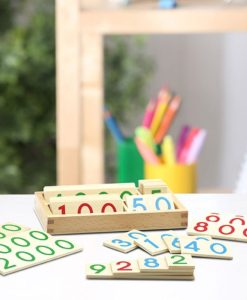
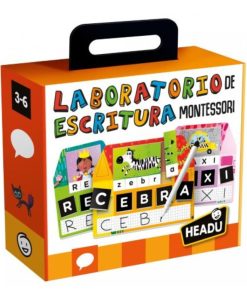
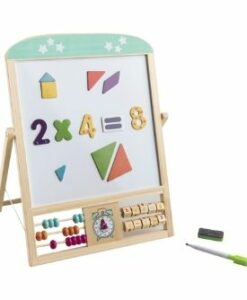
Here you will find Montessori toys and materials in wood and natural materials: activity boards with locks and latches, movable alphabet, sound boxes, sorting material, number boards and writing stations.
It is part of toys by pedagogy and connects with Pikler, which applies the same idea of autonomy to movement.
What makes a toy Montessori (and what doesn't)
The label has stretched so far that almost anything wooden gets sold as Montessori. The real criteria are four, and they are demanding:
One concept per object. A material works on size, or colour, or weight. Never all three at once. Isolating the difficulty is what lets a child discover the idea without anyone explaining it.
Built-in error control. The object signals when something is off: the piece won't fit, a gap is left over, the tower falls. The child self-corrects without needing an adult to look and approve. This is the criterion that rules out the most toys.
Grounded in reality. Locks that actually lock, cutlery that actually cuts, animals in correct proportion. In the early years a child is building the real world; fantasy arrives later and arrives by itself.
Natural materials, child-sized. Wood, metal, cloth. They have weight, temperature and can break — and that teaches care.
And a fifth that never makes the lists: it has to be within reach. Montessori material stored on a high shelf stops being Montessori, because the child cannot choose to use it.
Activity boards, the best place to start
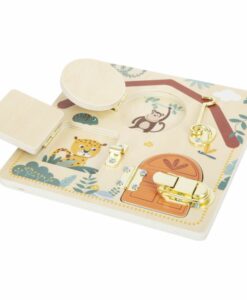
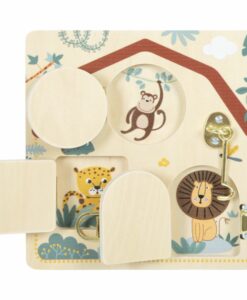
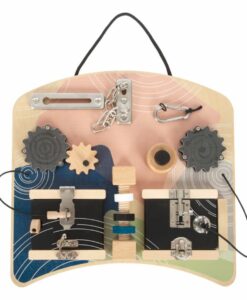
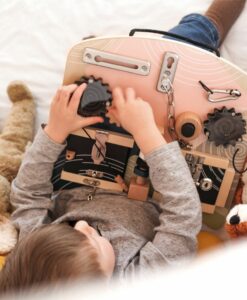
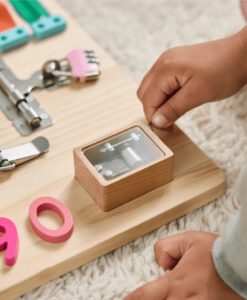
If you had to begin with a single object, this would be it. A board with latches, bolts, locks and keys brings together nearly everything the method is after: fine manipulation, logical sequence, obvious error control and a satisfaction that needs nobody watching.
What makes it work is that it replicates objects from the adult world. A two-year-old opening and closing a latch forty times is not playing at anything: they are learning to handle the bathroom door. That direct transfer is why they don't tire of it.
Lock-and-rotate versions add a further step — you have to turn and slide at the same time — and that is where many children discover their two hands can do different things.
The movable alphabet: writing before you can write
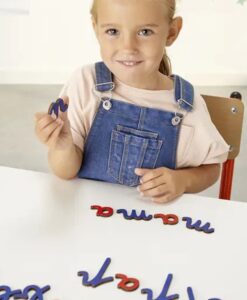
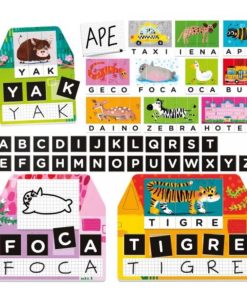
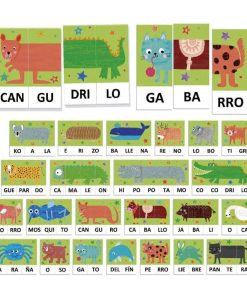
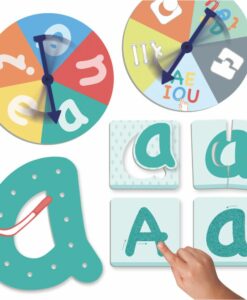
One of the most ingenious materials in the method, and one of the least understood. Loose letters the child arranges on the table to build words.
The point is that it separates thinking from mark-making. Building "table" with movable letters requires analysing the sounds of the word, which is the mental operation of writing. Doing it with a pencil additionally requires hand control, pressure and staying on the line — three things competing with the first.
That is why some children "write" with the movable alphabet months before they can write on paper, and why their handwriting comes out cleaner when it arrives.
What to choose by age
- 1-2 years. Simple inset puzzles, stackers, objects to put in and take out.
- 2-3 years. Activity boards, sorting by a single criterion, first tweezers, pouring.
- 3-4 years. Real practical life (buttoning, pouring, serving), sound boxes, first textured letters.
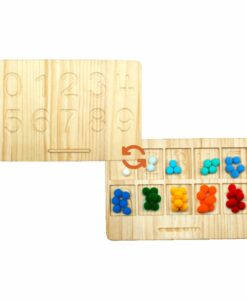
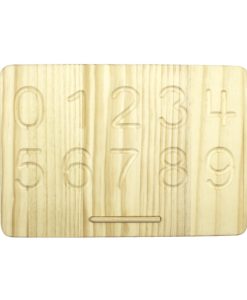
- 4-6 years. Movable alphabet, number boards, writing, sorting by two criteria.
One piece of advice that saves money: less material, more time with each thing. With fifteen options in front of them, children don't choose — they drift.
Frequently asked questions
What is a Montessori toy?
A material that isolates a single difficulty, carries built-in error control, is made of natural materials and is grounded in reality. The child uses it alone and works out for themselves whether they have solved it, without an adult correcting or approving.
What age can they be used from?
From the first year with inset puzzles and put-in-take-out objects. What determines the moment is not calendar age but interest: Montessori describes "sensitive periods", windows when a child locks on to something specific. If a material holds no appeal, it is usually too early or too late.
Are they useful for children with learning difficulties?
They are widely used in speech and language therapy and occupational therapy. Error control allows work without constant correction, and isolating one difficulty at a time fits how an intervention is structured.
Do they have to be wooden?
Not strictly, but the material matters more than you would expect. Wood has weight, temperature and texture, and that information reaches the child while they manipulate. Lightweight plastic adds nothing sensorially.