




Cooperative play


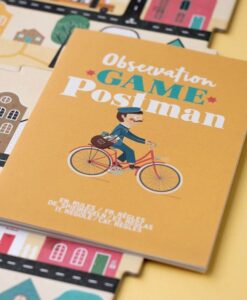


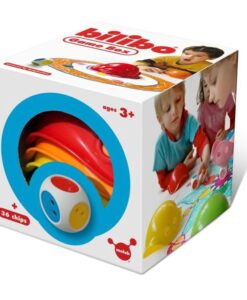






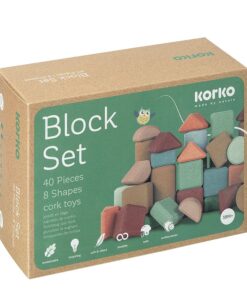
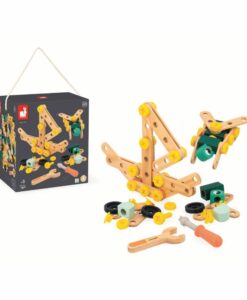
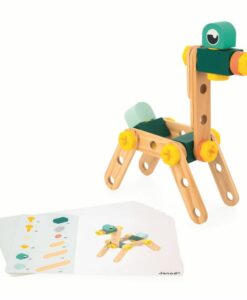



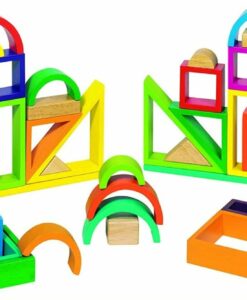
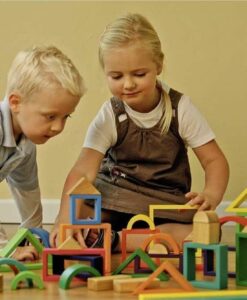
Construction set – Rainbow

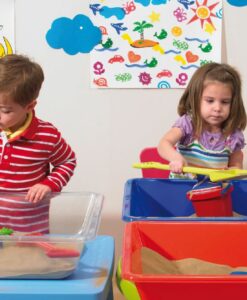


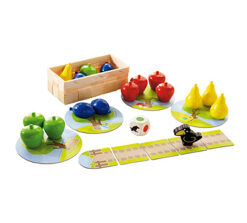
Duck fishing – Skill game




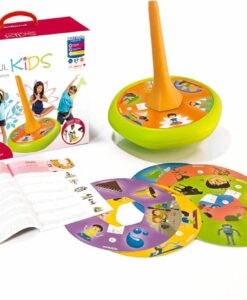
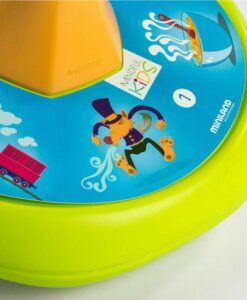

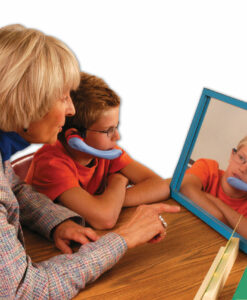
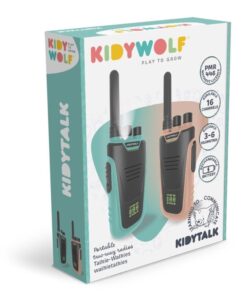
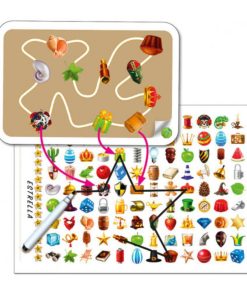
Cordless telephone


In cooperative games everyone plays on the same team: you win or lose together, not against each other. That small change of rules turns play into a school of cooperation, communication and empathy, without the frustration of “losing” in front of others.
At logopedicum we gather cooperative games for children designed for home, classroom and therapy: team challenges, collaborative board games and activities where the group coordinates to reach a common goal. Materials that build social skills through play.
They are part of our games by game type, alongside emotional education and symbolic play.
What cooperative games offer
Playing towards a common goal, children learn to listen, negotiate, share tasks and celebrate the group's achievement. Cooperative games reduce rivalry and the frustration of losing, and strengthen cooperation, communication, empathy and tolerance of mistakes. They are a very useful tool to work on social skills in groups of different ages and abilities.
Types of cooperative games you will find
A selection to play as a team:
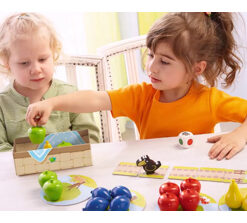
- Cooperative board games where everyone collaborates against the "board"; find more in board games.
- Team challenges and group activities to coordinate and solve together.
- Balance and collaborative building games that require turns and agreements.
- Inclusive options, adaptable to different ages and levels.
Cooperative play for home, classroom and therapy
At home, they are ideal for tension-free family play. In the classroom, they foster group cohesion and coexistence. And in speech therapy, occupational therapy and psychology, they help work on communication, turn-taking, frustration management and cooperation. A natural way to train social skills while having fun.
Frequently asked questions about cooperative games
What are cooperative games?
They are games where players work as a team towards a common goal: everyone wins or loses together, instead of competing against each other. They foster cooperation, communication, empathy and frustration management.
What benefits do they have over competitive games?
They reduce rivalry and the fear of losing, and invite players to collaborate, negotiate and help one another. They are especially useful for working on social skills and for groups with children of different ages or abilities.
From what age are cooperative games recommended?
There are options from age 3 (simple team challenges) to more complex cooperative board games for older children and families. Adjust the difficulty and number of players to each group.