




Language games
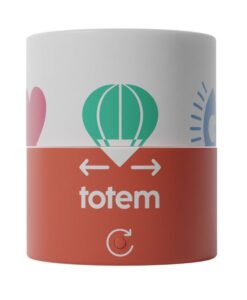

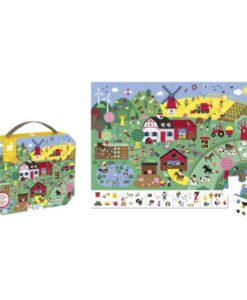
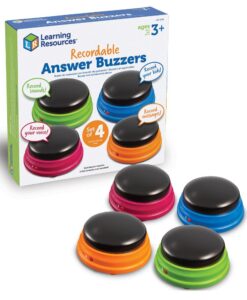
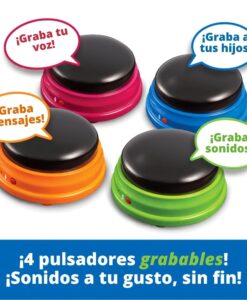

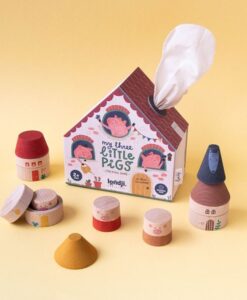
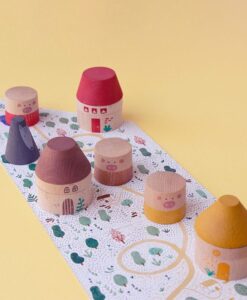


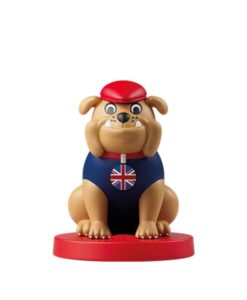
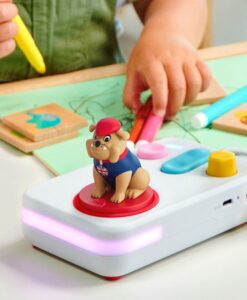


Juego de lenguaje oral – /S/ Cube


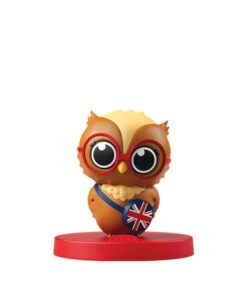
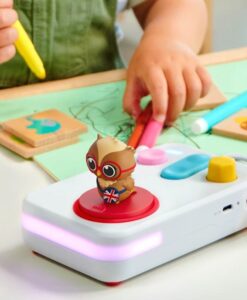
Juego de conciencia fonológica – Fonocube


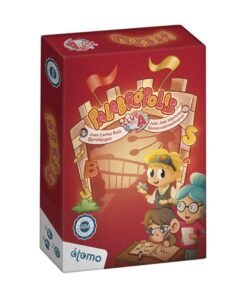
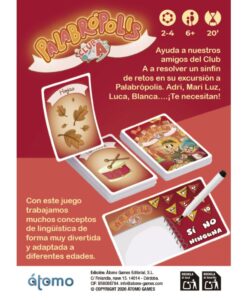


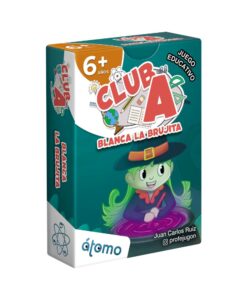
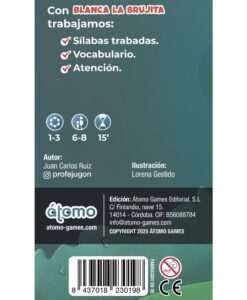
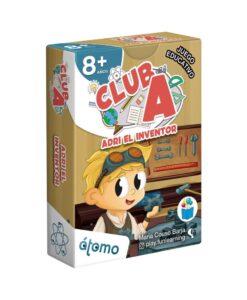
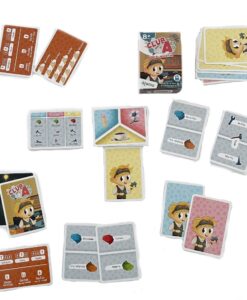
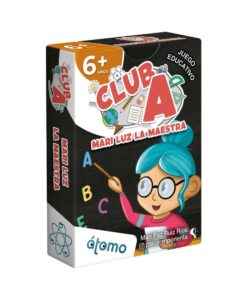
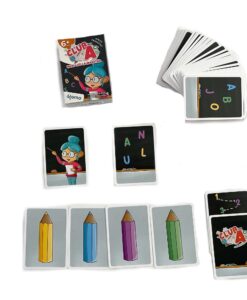


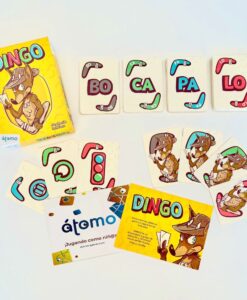
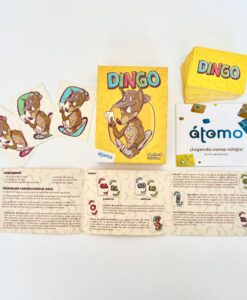


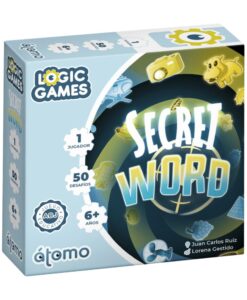
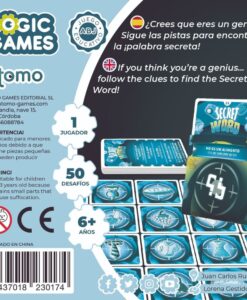
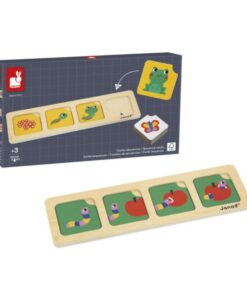
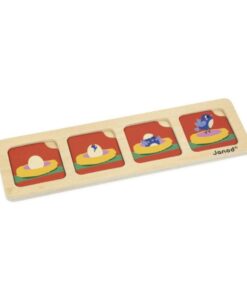




Language isn’t taught by explaining it: it’s built by talking, and a child talks when there’s something they actually want to say. So the best language material isn’t what tackles language head-on — it’s what creates situations where talking is worth the effort.
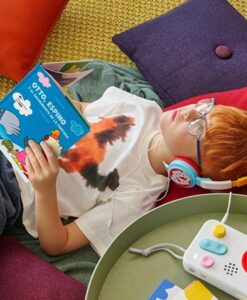
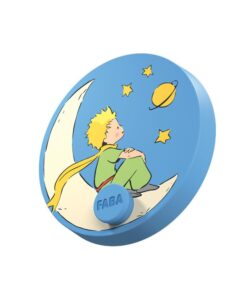
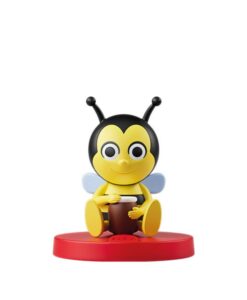
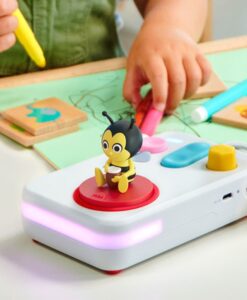
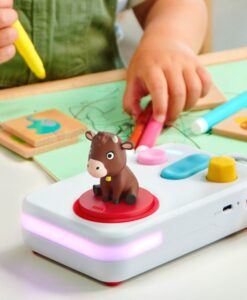
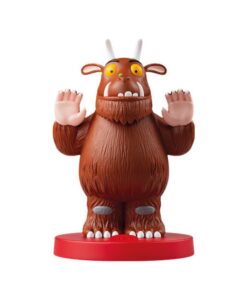
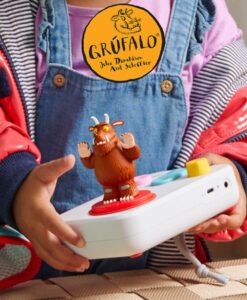
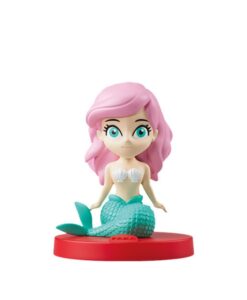
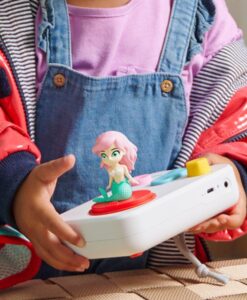
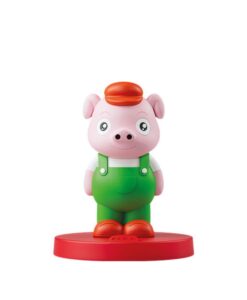
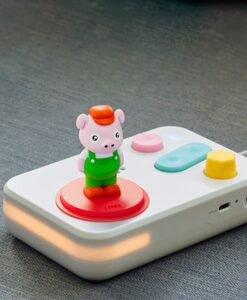
Here you’ll find oral language and phonological awareness games such as /S/ Cube and Fonocube, vocabulary and category games, narrative and sequencing material, and the FABA audio storyteller system for listening and comprehension.
It is part of game type and connects with reading and writing games and pretend play, where the most spontaneous language appears.
Which part of language each game works on
"Language" is an umbrella. Underneath it are very different things, and the right material depends on the target:
- Phonetics and phonology. Producing sounds and organising them. This covers single-sound games like /S/ Cube and phonological awareness work: segmenting syllables, identifying the initial sound, rhyming.
- Semantics (vocabulary). How many words they know and how those words are organised. Lotto games, categories, defining and guessing games.
- Morphosyntax. How they build the sentence. Completion games, sequencing, describing scenes.
- Narrative discourse. Telling something with a beginning, middle and end. Time sequences, stories to retell, character sets.
- Pragmatics. Using language with another person: taking turns, asking, repairing a misunderstanding. Cooperative board games and question games work here.
Phonological awareness, without the jargon
It's the ability to notice that words are made of chunks of sound, and to manipulate those chunks. It has nothing to do with letters: a four-year-old who can't read can happily tell you that "moon" starts like "mouse".
It matters because it's one of the strongest predictors of later reading. The usual progression runs from large to small: rhymes and words within a sentence first, then syllables (clapping out "but-ter-fly"), and finally phonemes, which is the genuinely hard part and the one that connects directly to reading.
A game like Fonocube works because it makes that manipulation visible and handleable: the child sees the chunk, moves it, swaps it around. And at home it can be done with no material at all — counting syllables on the way to school — which is worth telling families.
Getting more language out of any game
Three strategies transform how much a child talks, and none depend on the material:
Wait. After saying something, count to five in silence. Most adults fill the gap in under two seconds — and that gap is where the child would have spoken.
Offer choices instead of yes/no questions. "Do you want the red or the blue?" produces language; "do you want this?" produces a nod.
Expand what they say. If they say "car", reply "yes, a red car". If they say "red car", reply "the red car is going very fast". It's called expansion, and it's the best-evidenced language stimulation technique as well as the easiest to apply.
Language material in clinic and at home
Therapists tend to look for material they can grade: the same game with more or less support, more or less vocabulary, shorter or longer turns. Good language material isn't the one with the most pieces — it's the one that serves four different goals depending on how you use it.
For families the criterion is different: playable in ten minutes, no instructions to read, and the child wants to do it again. The material here is chosen with both contexts in mind.
Frequently asked questions about language games
Which games help a child who says very little?
Ones that create a need to communicate, rather than ones that ask them to repeat: turn-taking games, games with surprise, or where they have to ask an adult for a piece. A clear jar the child can't open alone generates more language than a vocabulary worksheet. If the concern persists, a speech and language assessment is the right step.
What age can you start on phonological awareness?
Around 3-4 with rhymes and syllables, which is what's accessible then. Work on individual phonemes comes later, around 5, and that's the part most directly linked to learning to read.
Are audio storytellers good for language?
They work listening comprehension, auditory attention and vocabulary, with the advantage of no screen. They don't replace interaction with an adult — which has the greatest impact — but they're an excellent starting point: the child listens, and then there's something to discuss, retell or act out.
Is this material only for therapists?
No. Some of it is specific clinic material, but most are games any family can use without training. What changes is the purpose: a therapist uses them to target something specific and measure it; at home they're used to play, which is exactly what should happen at home.