




Breathing




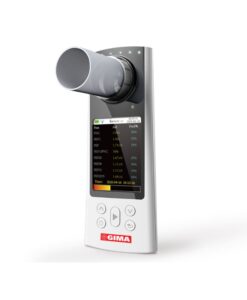



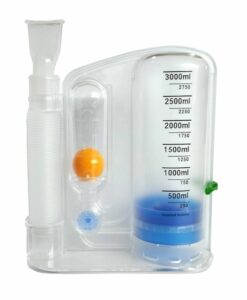
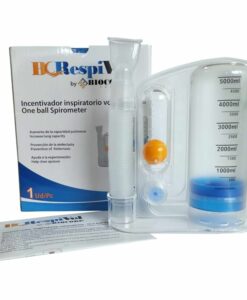
Volumetric incentive spirometer
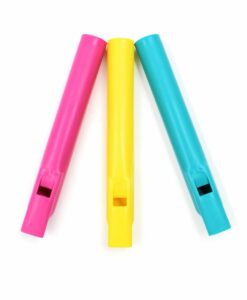
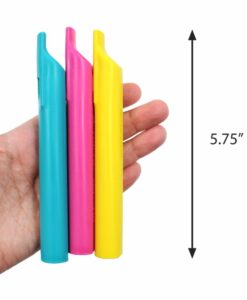
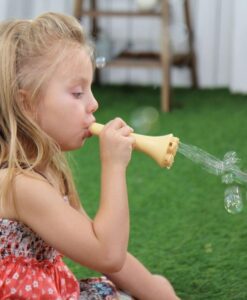
Oral Motor Flute – ARK Flute
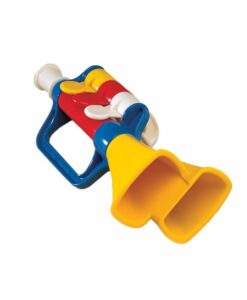

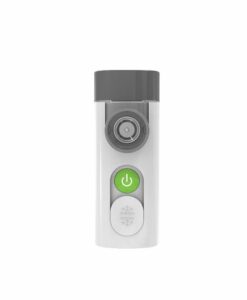
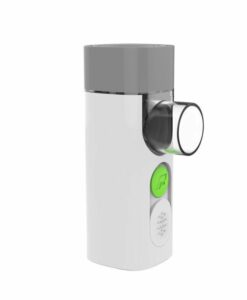
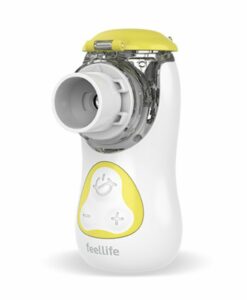
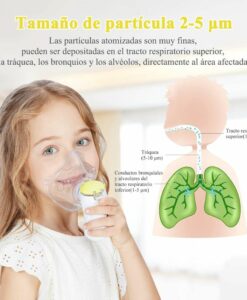
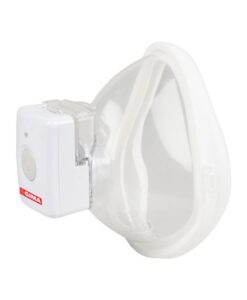
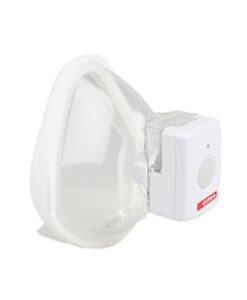
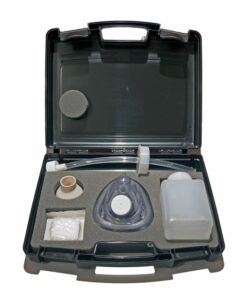
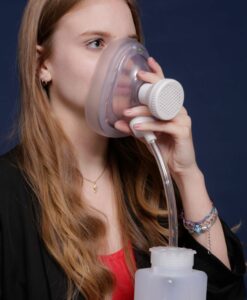
Compact portable nebulizer – Air Kids Feellife
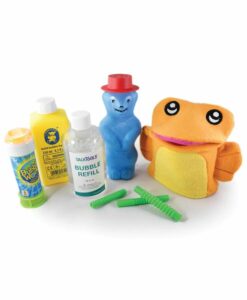
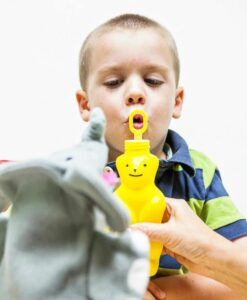
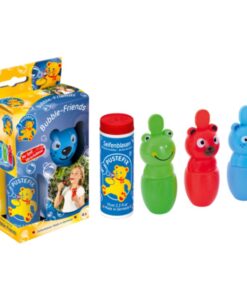
Bubble making cat
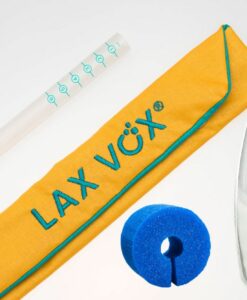
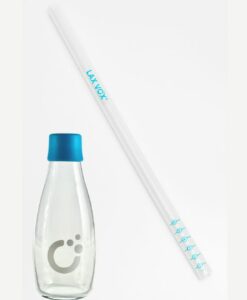
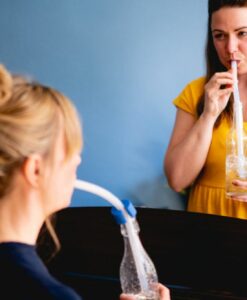
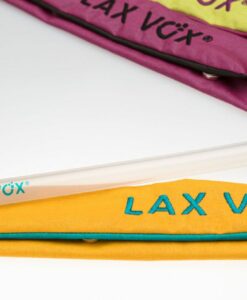
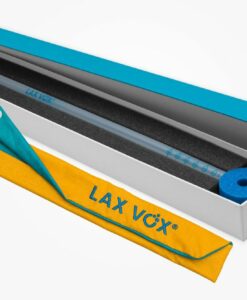
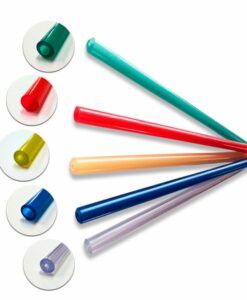
Lax Vox® Probe – Original

Funny therapeutic mirror


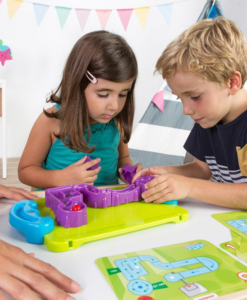
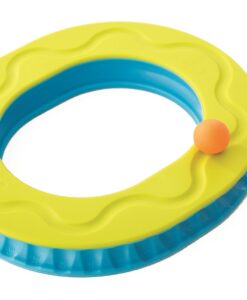
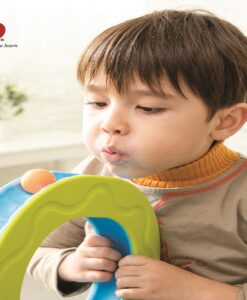
Blowing is the way into almost everything else. A child who cannot control their airflow cannot control phonation, phrase length, or the force behind their articulation.
This is the equipment for working on air, ordered from the most playful to the most measurable.
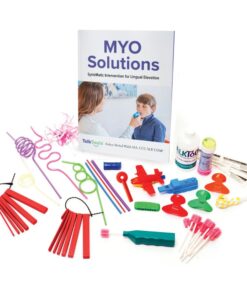
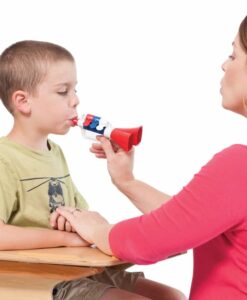
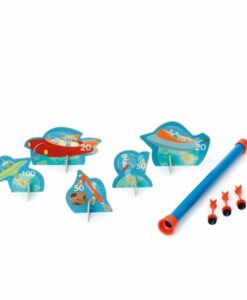
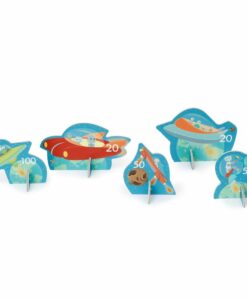
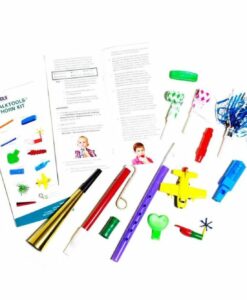
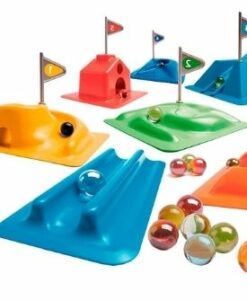
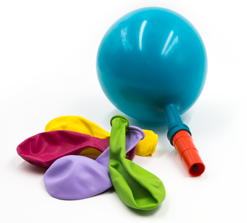
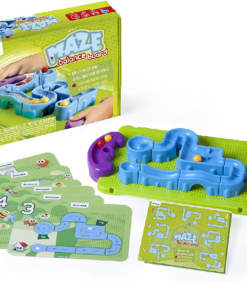
Directed blowing and play. ARK Flute whistle, Pre-Hierarchy Horn, Talk Tools bubble kit, bubble animals, blow darts, moving mazes, blow minigolf and spinner wheels. They get the child blowing without realising they are working, which is half the battle.
Flow calibration. Straws in a range of diameters for sucking, blowing and phonation, plus spiral straws. Changing the diameter changes the resistance, which turns a game into a graded exercise.
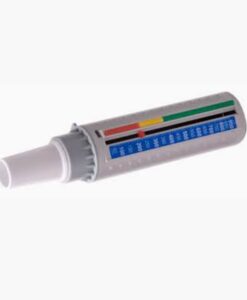
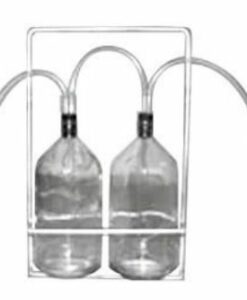
Respiratory muscle training. The Breather as an inspiratory and expiratory trainer, volumetric incentive spirometer, and bottle-with-stand breathing setups.
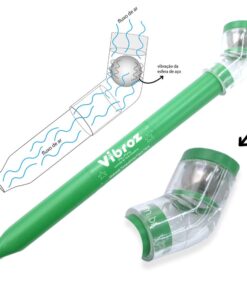
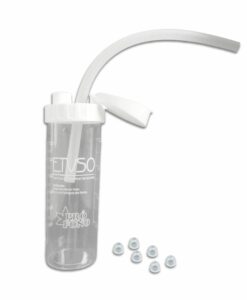
Voice work. Lax Vox full and basic sets, original tube, Pró-Fono semi-occluded vocal tract cup and Vibroz for phonatory flow control.
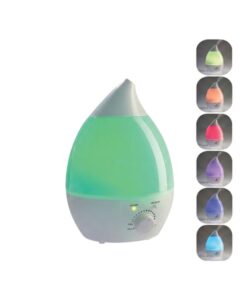
Airway. Air Pro and Air Kids portable nebulisers, and nasal rinse syringes for infants.
The breathing pattern is held up by lip seal, worked in lips, tongue and more. If mouth breathing comes from an established habit, see harmful habits and generalization.
Why mouth breathing matters so much
Nasal and oral breathing are not two equivalent ways of doing the same thing.
In nasal breathing the tongue rests against the palate, the lips are sealed and the air arrives filtered and humidified. That tongue posture is, quite literally, the mould that shapes the palate as the child grows.
In mouth breathing the tongue drops and moves forward, the lips part and the palate loses that support. Over the years you get a narrower, deeper palate, crossbite or open bite, atypical swallowing and a longer lower third of the face.
That is why breathing is not addressed last. It is addressed first.
Grading blowing work
First, get air out
Before asking for precision you need voluntary blowing. Bubbles, spinners and low-resistance whistles give immediate, visible feedback.
Then, direct it
Darts, minigolf and mazes require aiming the airflow. Lip control enters here, because without a seal the air escapes sideways.
Then, meter it
Blowing hard is easy; blowing gently and steadily is hard. Small-diameter straws and the Talk Tools horn hierarchy train exactly that.
Finally, measure it
The volumetric incentive spirometer and The Breather turn the exercise into a number. That is what lets you demonstrate progress and adjust the load.
Semi-occluded vocal tract, in one sentence
Blowing against resistance — a straw, a tube in water — sends part of the pressure back towards the vocal folds and helps them vibrate with less effort. That is the principle behind Lax Vox and SOVT exercises, which is why this material sits between breathing and voice.
Common questions
How is blowing equipment cleaned?
It goes in the mouth, so it needs disinfection between patients. Hygiene and disinfection has the trays and solutions, and whistles and horns usually have individual replacement parts.
Is mouth breathing always a habit?
No. Often there is a genuine obstruction — enlarged adenoids or tonsils, rhinitis, a deviated septum — and in that case myofunctional work alone is not enough: ENT assessment comes first.