




Semantics
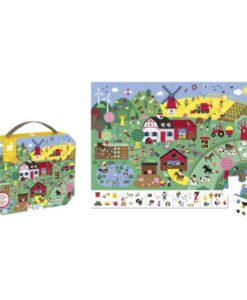
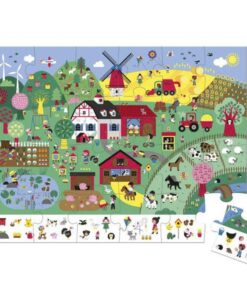


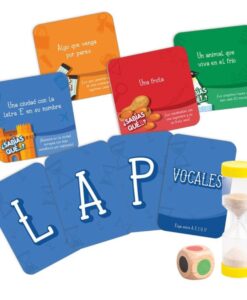
Juego de lenguaje oral – /S/ Cube
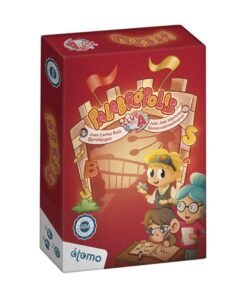
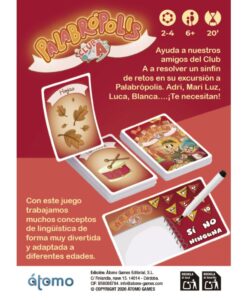

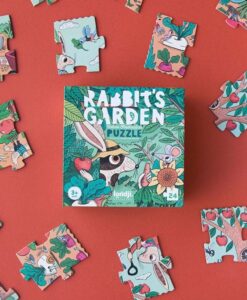
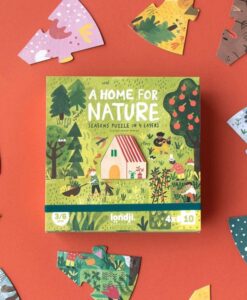
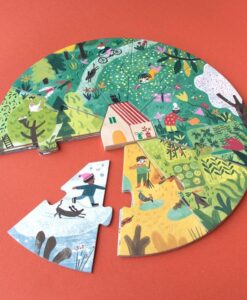
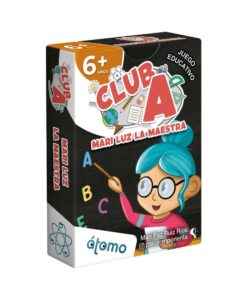


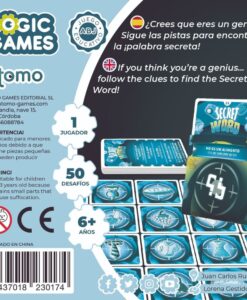


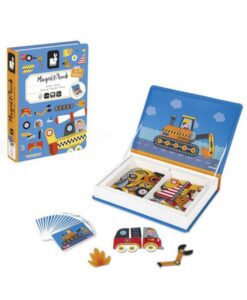


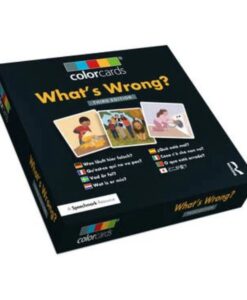

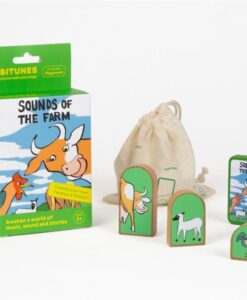



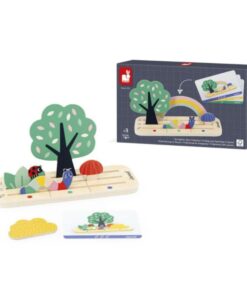

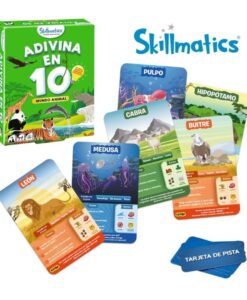
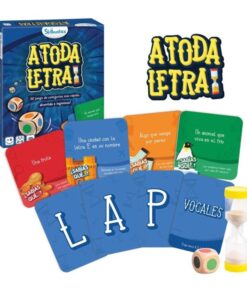
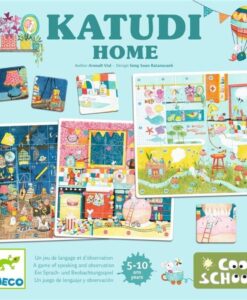
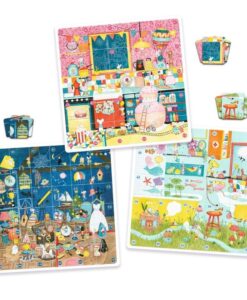


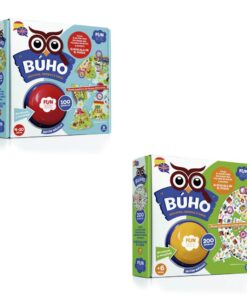
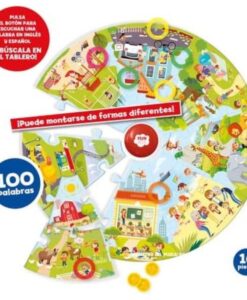
Puzzle búho botón – Juego de mesa de observación y escucha


Picto palabra – Juego de vocabulario
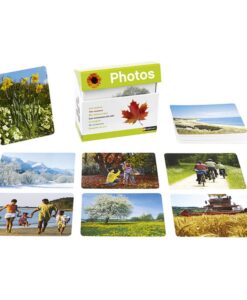


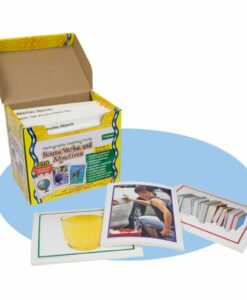

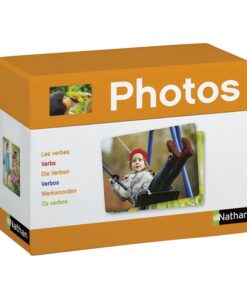

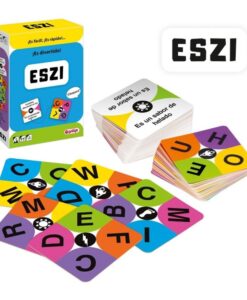

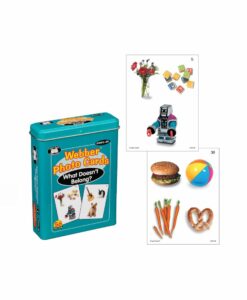
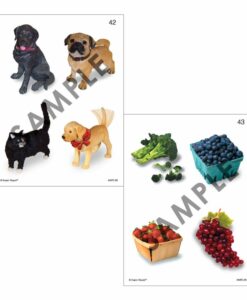
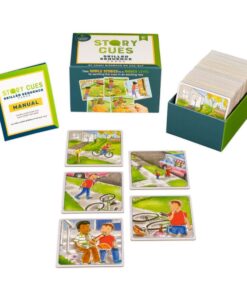


Having few words and not finding the word are two different problems. The first is solved by widening the lexicon; the second by organising it. If vocabulary isn’t well categorised, the client has it but can’t reach it.
This is the largest section in the language catalogue, with 212 items for working on meaning at every layer: from naming an object to explaining why a sentence doesn’t make sense.
What semantics work covers
Semantic fields and categorisation
Grouping by family — animals, food, clothing, transport — and then by less obvious criteria: by function, by place, by material. This is the work that turns a list of words into a network you can actually get into.
Definitions and description
Moving from "it's for cutting" to "it's a kitchen tool for cutting, with a handle and a blade". Formal definition is one of the best markers of lexical maturity and one of the most rewarding targets to work on.
Word relationships
Synonyms, antonyms, superordinates, associative fields. Material for the client who keeps reaching for the same word because nothing else is available.
Absurdities and ambiguity
Spotting what doesn't fit and unpicking double meanings. This is the doorway into pragmatic work, and it lands well with teenagers, who tend to reject anything that looks childish.
Vocabulary games for home
Many of these items are board games families can use between sessions. If you're after the format rather than the clinical target, you'll find language games easier to browse — the same catalogue, sorted by game type instead of by component.
Frequently asked questions
At what age can categorisation work start?
The first basic categories — animals, food — appear around 2-3 years with picture support. Categorising by function or by less obvious attributes tends to consolidate from age 5, and that's where most of the material in this section sits.
What material works for aphasia?
Lexical retrieval work in aphasia leans heavily on the categorisation, definition and associative-field material found here, the difference being that you start from the client's existing lexicon rather than a new one. Adult vocabulary lottos and definition card decks are the most used.
What's the difference between semantics and morphosyntax?
Semantics is what words mean; morphosyntax is how they combine into a correct sentence. A client can have a good vocabulary and still build sentences badly, and the other way round. If the problem is in the sentence, see morphology and syntax.