




Light tables and accessories
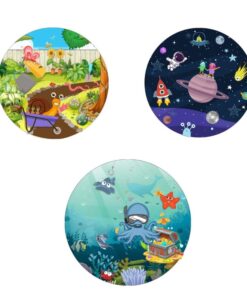
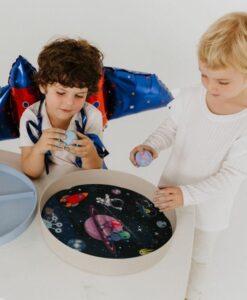
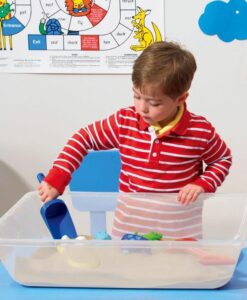
Sensory Base Mat – Exploration Tray
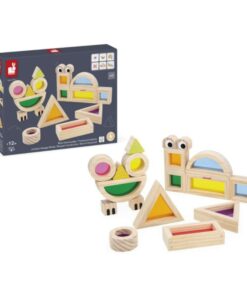
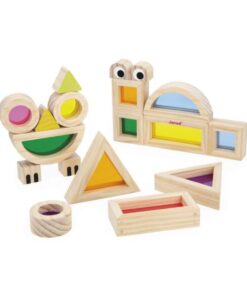
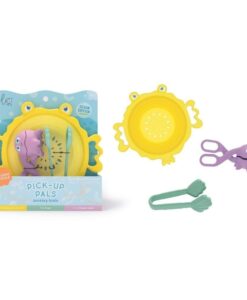
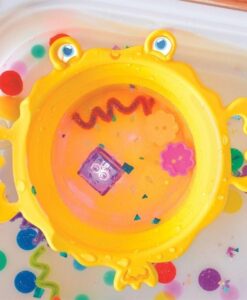
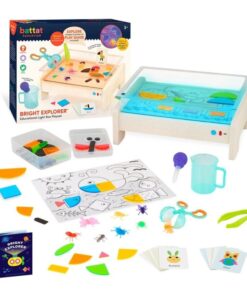
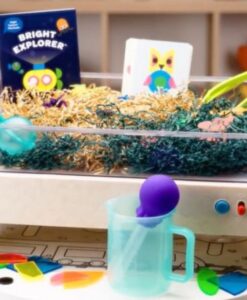




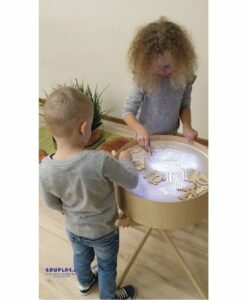
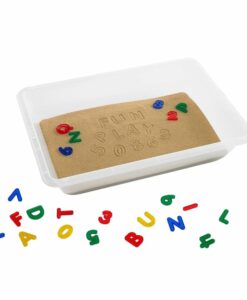
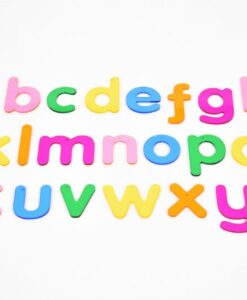
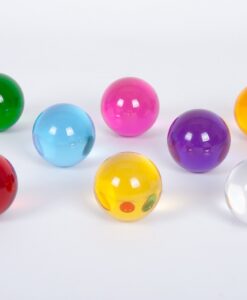
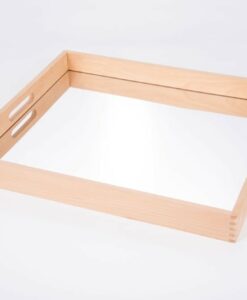
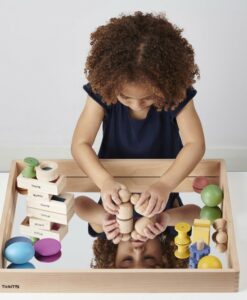
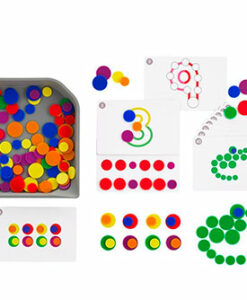
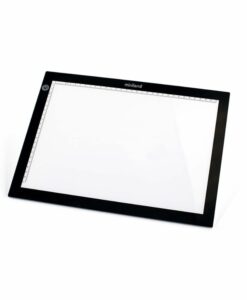
Compact light table – Lightpad
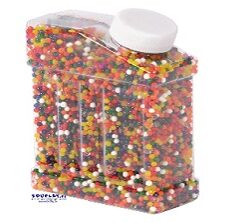
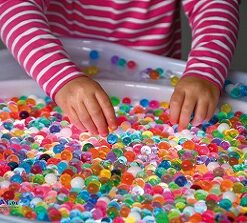
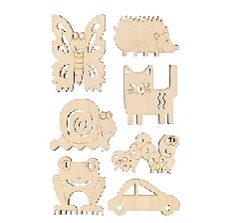
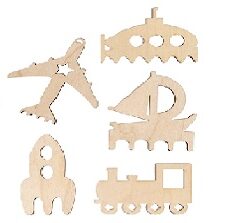
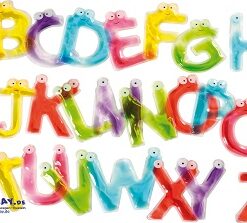
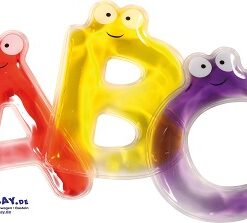
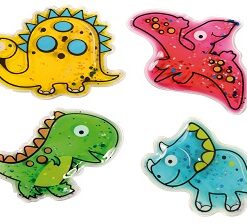
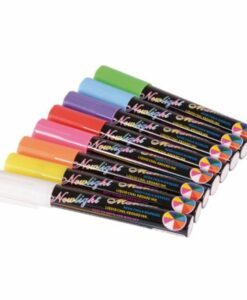
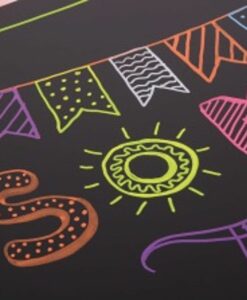
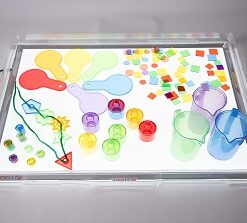
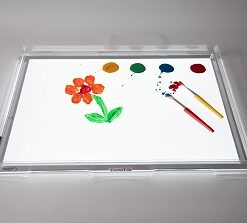
Art tray – light table
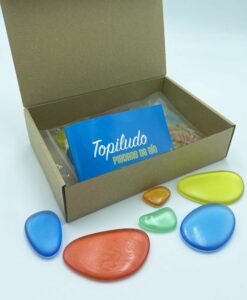
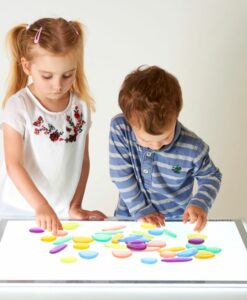

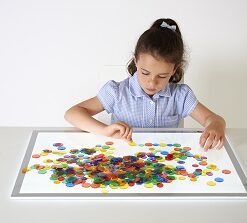
Translucent round – light table
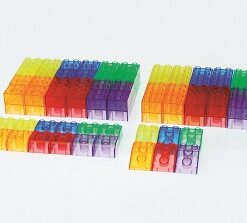
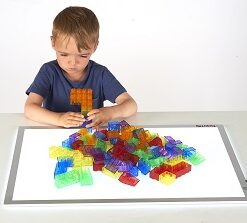
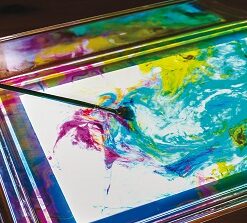
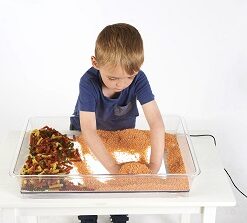
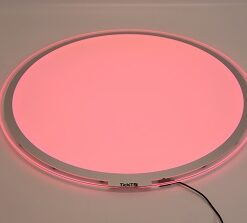
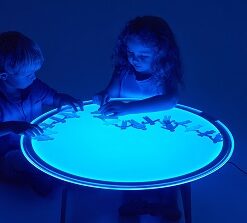
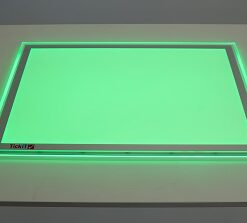
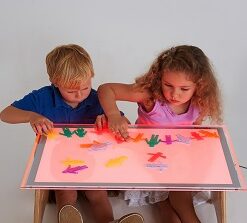
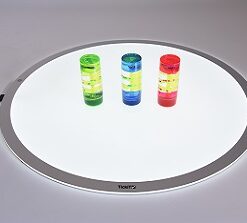
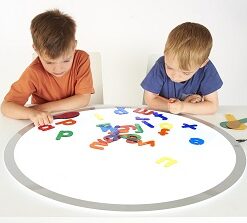
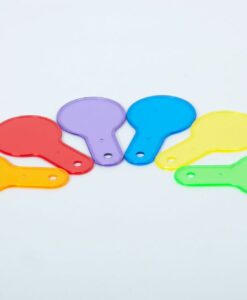
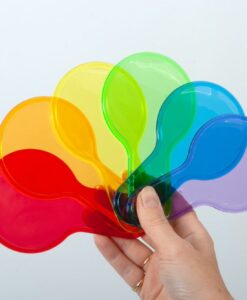
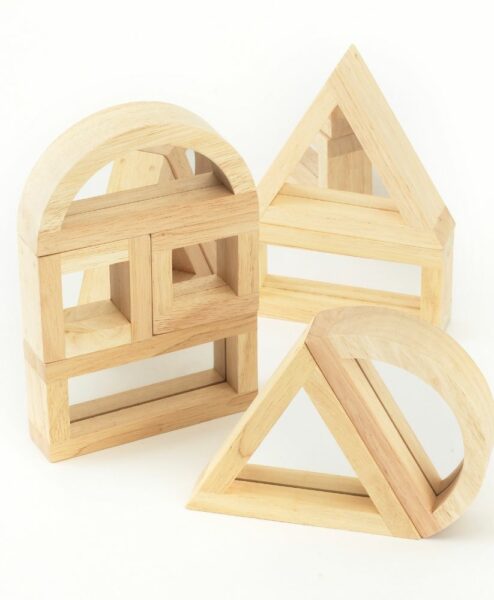
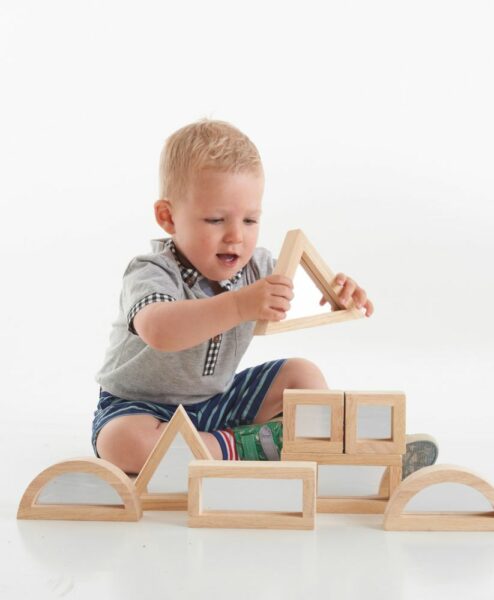
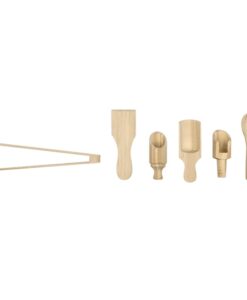
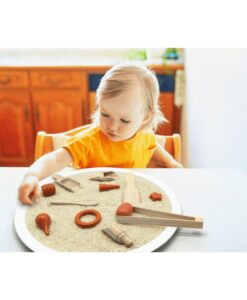
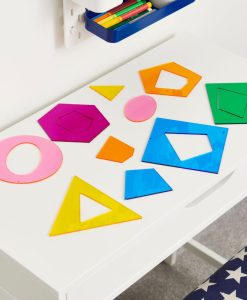
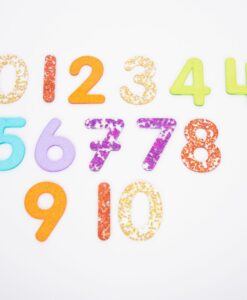
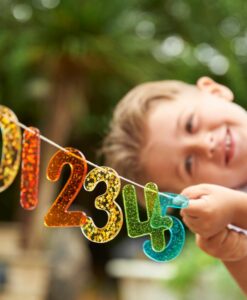
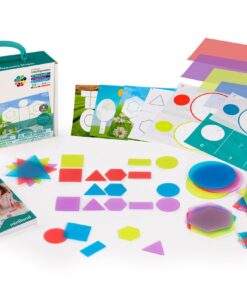
A light table without accessories is an expensive lamp. What turns it into working material is what goes on top: translucent blocks that build colours, tracing sheets, sand you push aside with a finger, transparencies for sorting.
Here are the tables and the 42 accessories in the catalogue — which is where the actual use lives.
What gets worked on a light table
Attention and contrast
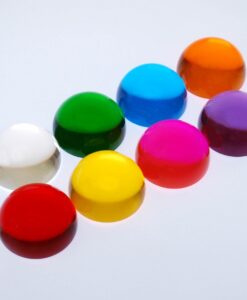
Backlighting separates the object from the background. For a child with attention difficulties or low vision, that transforms what they can see and hold on to.
Colour and mixing
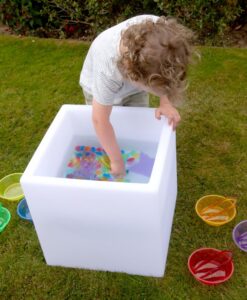
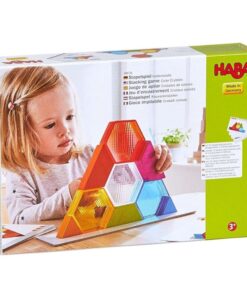
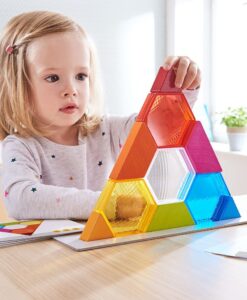
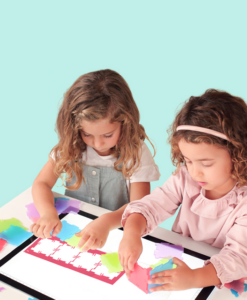
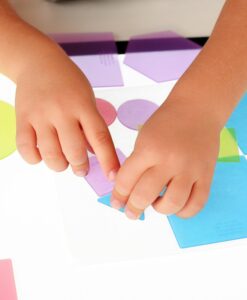
Overlapping translucent blocks makes secondary colours visible as they form. It's one of the few times an abstract concept can be touched.
Mark-making and pre-writing
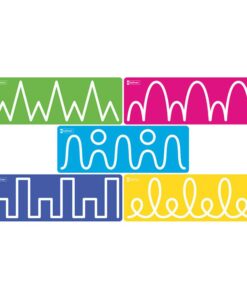
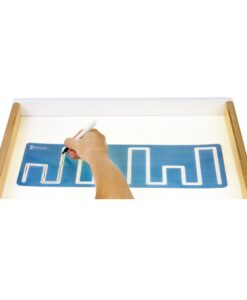
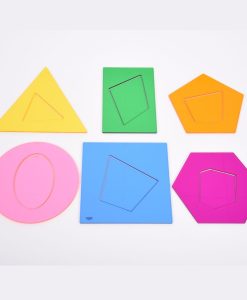
Path sheets over the light. The contrast guides the movement without needing verbal prompting.
Sorting and sequencing
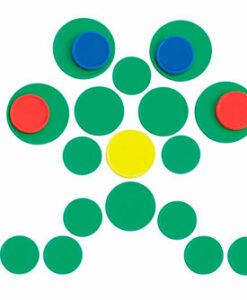
Coloured pieces and transparencies for grouping, ordering and comparing. This is where the table crosses into early maths.
What to check before buying the table
That the light is adjustable. A table on full power bothers hypersensitive profiles and tires the eyes in longer sessions.
That the surface takes weight and sand. This is what usually fails: tables designed for tracing that scratch in the first session with loose material.
The real working area. A small table serves one child; for group work you need surface, or it turns into turn-taking and waiting.
Light tables and the Montessori method
The light table isn't an original Montessori material — it isn't among those Maria Montessori designed — but it has taken hold in Montessori settings for a coherent reason: it isolates one quality, invites manipulation, and is self-correcting by sight. If you work with this approach, see also Montessori material.
Frequently asked questions
What age from?
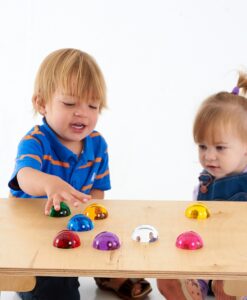
From twelve months, supervised and with large pieces. Tracing and sorting use comes from three onwards.
Does it tire the eyes?
Not if the light is adjustable and you don't overuse full power. Short sessions — ten or fifteen minutes — get more done than long ones, for attention reasons as much as anything.
Is it useful for language work?
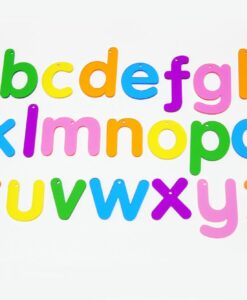
Yes, and it's underused for that. Image transparencies allow vocabulary and sequencing work at a level of attention paper doesn't achieve.