




Dysphagia
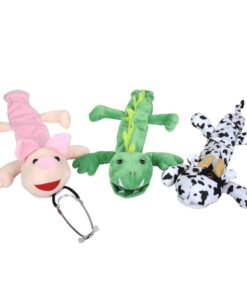
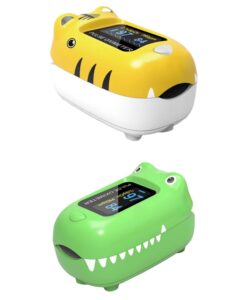
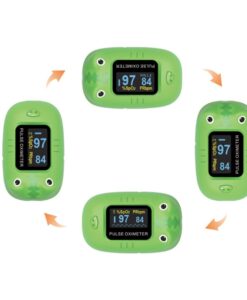
Pulsioximetro pediátrico



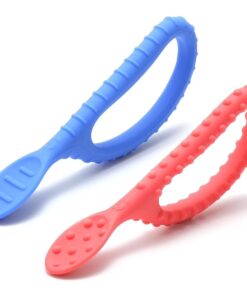
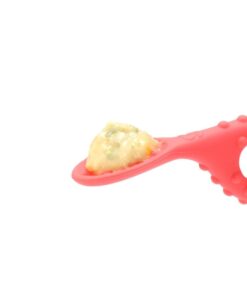
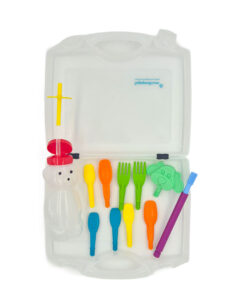
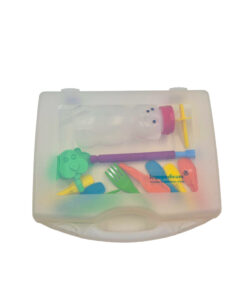



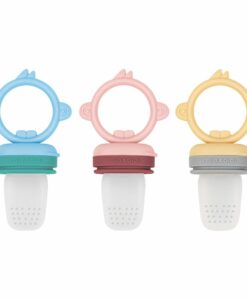
Silicone chewing net – Pulps
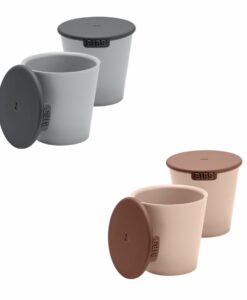
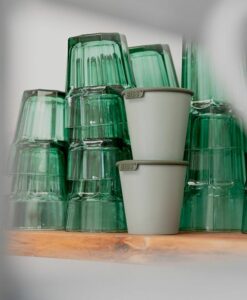
Set of 2 glasses with lid
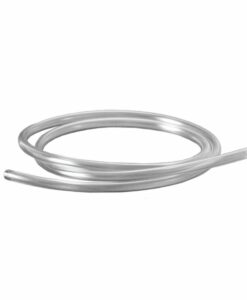
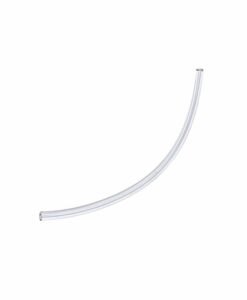
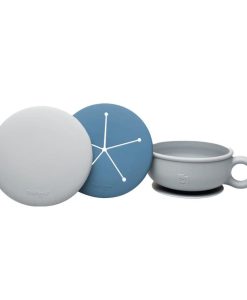
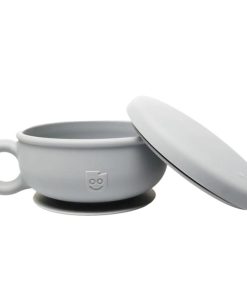
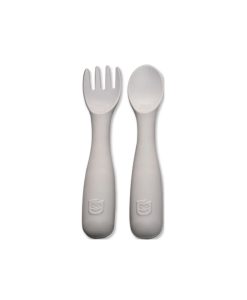
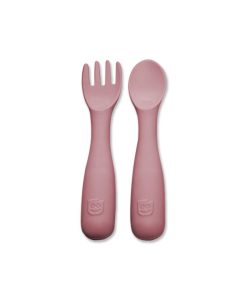
Bitsy Silicone Cutlery – Talk Tools
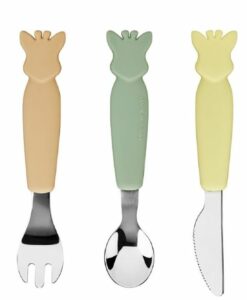
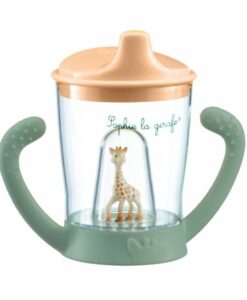
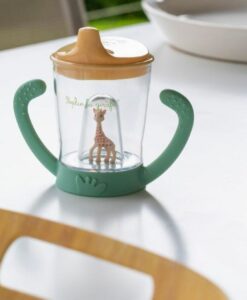
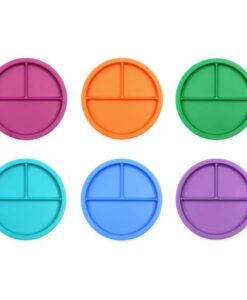
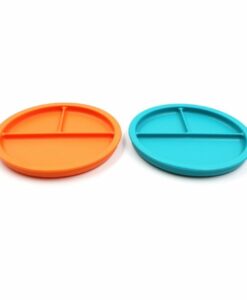
Plastic Compartment Dish – Harvard
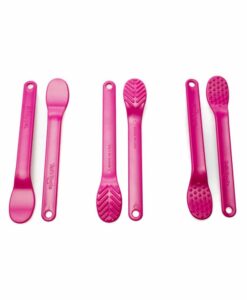
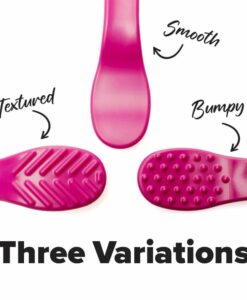
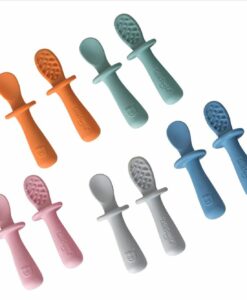

Itsy Silicone Spoons – Talk Tools
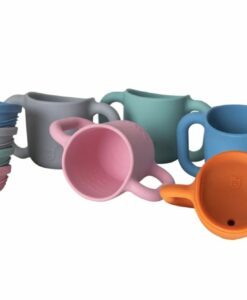

Itsy silicone cup with straw – Talk Tools
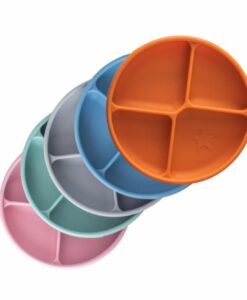
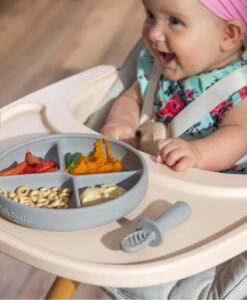
Harvard Silicone Itsy Compartment Dish – Talk Tools
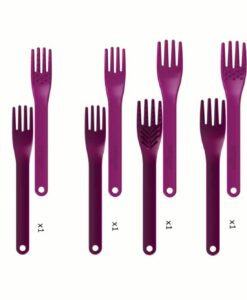
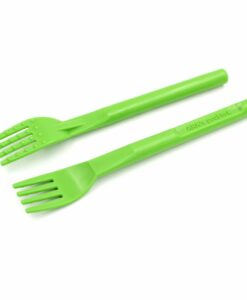
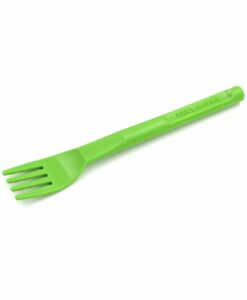
Textured Fork – Talk Tools

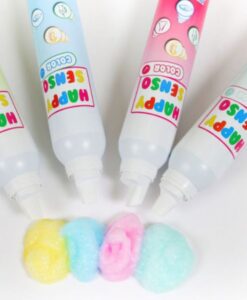
Happy Senso – multisensory foam

Happy Senso – Multi-sensory foam colors
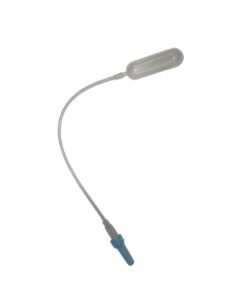
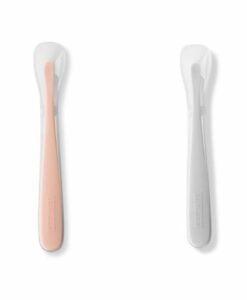
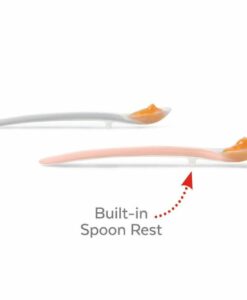
Easy feeding spoon set
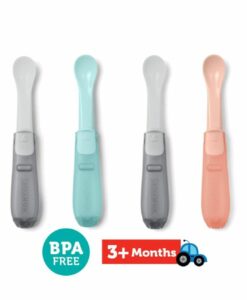

Travel spoon set
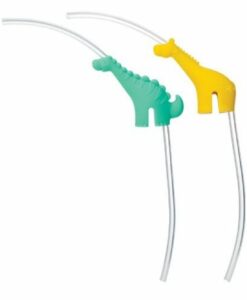
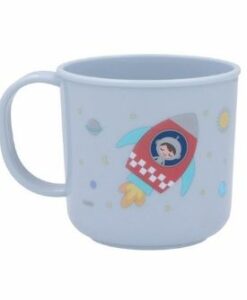
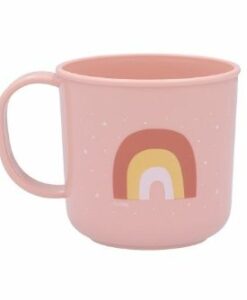
Children’s cup – small
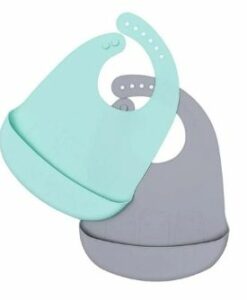
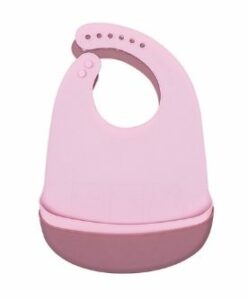
Silicone bib pack with pocket
In dysphagia the equipment is not an accessory to treatment: it is part of the treatment. A cup that controls flow, or a spoon with the right bowl depth, changes the aspiration risk on every swallow.
This is the equipment speech therapists use to assess and manage dysphagia, from infants through to older adults.
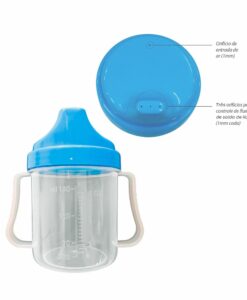
Flow control. Flow-reducing cups, flexible cups with replacement tubing, lidded cups and one-way straw valves. They let you grade how much liquid arrives and how fast — the variable that matters most for swallow safety.
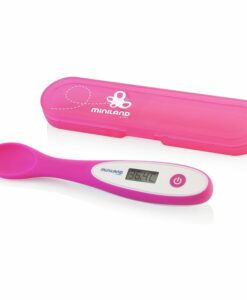
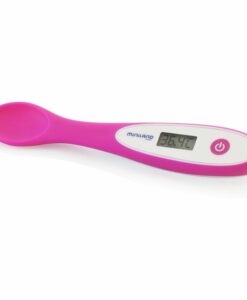
Spoons and cutlery. Textured spoons, flat spoons, flexible spatula spoons, the Thermospoon with a built-in thermometer, and ergonomic cutlery with wide non-slip handles for reduced hand strength or precision.
Specialty feeding. SpecialNeeds and Softcup bottles for infants who cannot generate adequate suction pressure.
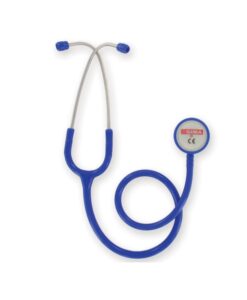
Assessment. Paediatric, dual-head and premium stethoscopes for cervical auscultation, and the IOPI connector for measuring tongue pressure.
Texture modification. Visco Instant Clear and Air Instant sachets.
Preparatory muscle work sits in lips, tongue and more and chewing. For paediatric swallowing therapy equipment, see swallowing and feeding.
What you need at each stage
Clinical assessment
Cervical auscultation with a stethoscope lets you hear the swallow and pick up signs of penetration or residue. The IOPI measures tongue pressure, which correlates with swallow efficiency.
Adapting oral intake
This is where equipment decides the outcome. A flow-reduced cup prevents excessive bolus volume; a textured spoon provides sensory input that helps trigger the swallow; a flat spoon requires upper-lip clearance, which is an exercise in itself.
Diet modification
Thickeners and aerating agents change viscosity to match what the patient handles safely, following the levels described in the reference frameworks.
Dysphagia in infants and adults
In infants the difficulty is usually suck-swallow-breathe coordination. Specialty bottles let the baby feed with a suction pressure they cannot generate themselves, without the flow overwhelming them.
In adults — after a stroke, in neurodegenerative disease, after head and neck surgery — the problem is strength, sensation or coordination. Equipment focuses on controlling volume and speed, and on compensating for reduced manual dexterity.
Why the cup matters so much
Drinking is harder than eating. Liquid moves fast, cannot be formed into a bolus, and does not wait for the airway to close.
A flow-reduced cup turns an uncontrolled sip into a small, predictable volume. A nosecut cup allows drinking without extending the neck, which is the posture that most increases risk. Two inexpensive objects that change the safety of every intake.
Common questions
Can this equipment be used without prior assessment?
No. Texture and utensil adaptation should follow assessment. A poorly indicated thickener can worsen the picture, and the wrong compensatory posture increases risk rather than reducing it.
Does the same cup work for a child and an adult?
The mechanism does, the size does not. Flow-control cups come in paediatric and adult versions, and using the wrong size undermines the volume control you are after.