




Motor skills games



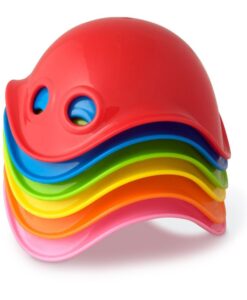
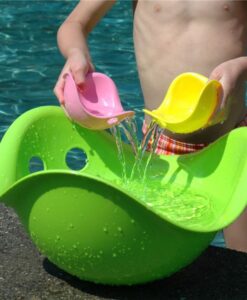
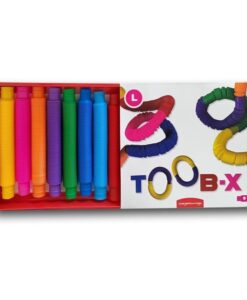
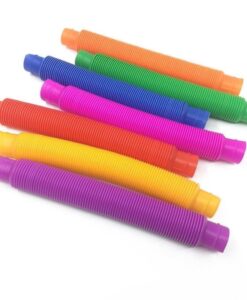


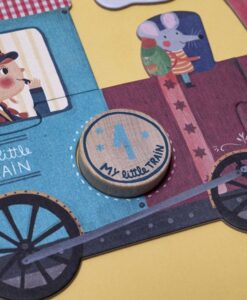
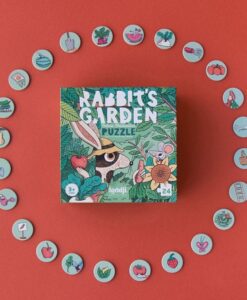
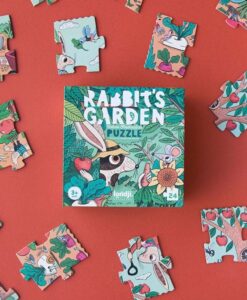
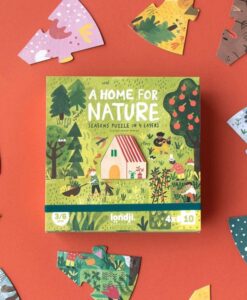






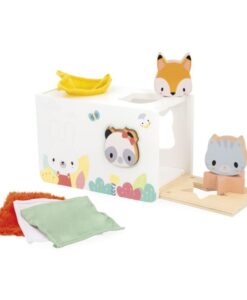


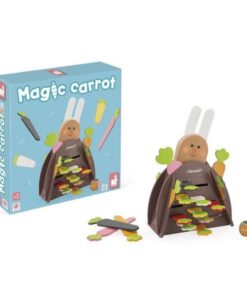
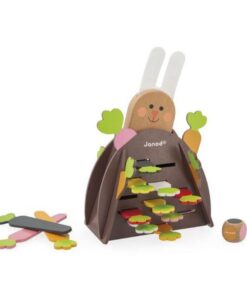
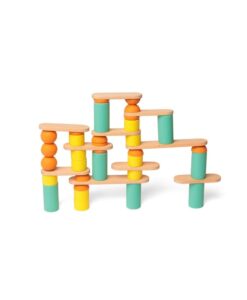
Bilibo Moluk – Balance and Movement Toy


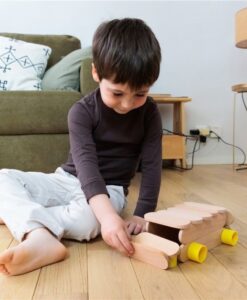
Motor skills games help children coordinate their body and hands while playing: grasping, fitting, stacking, threading, balancing or throwing are actions that, repeated through play, build the motor control they’ll need to dress, write or eat independently.
At logopedicum we bring together fine and gross motor toys from brands such as Djeco, Haba, Plantoys, Janod, Miniland or Moluk: puzzles and sorters, shape classifiers, threading games, kinetic sand, circuits and balance toys. Safe, durable materials designed for hands and bodies in full development.
Here you’ll find play for both fine and gross motor skills. If you want the development-area approach, visit fine motor skills and gross motor skills.
Why motor play is key to development
Movement is the first form of learning. Through motor play, children gain strength, coordination, precision and planning: skills that underpin later milestones such as graphomotor skills (writing), independent feeding and speech articulation. That's why speech therapists, occupational therapists and teachers use motor play so widely as a resource.
Fine and gross motor skills: two sides of the same development
Fine motor skills involve precise hand and finger movements (pincer grip, threading, fitting) and prepare for writing and autonomy. Gross motor skills work the large muscle groups: balance, jumping, coordination and postural control. This category brings together games for both, since they develop in parallel and support each other.
Types of motor skills games you'll find
A varied selection for every skill:
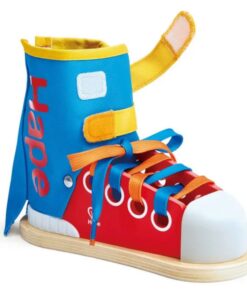
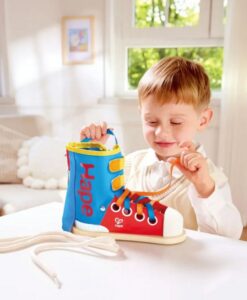
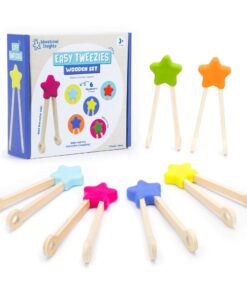
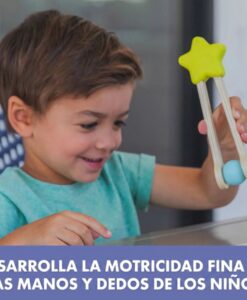
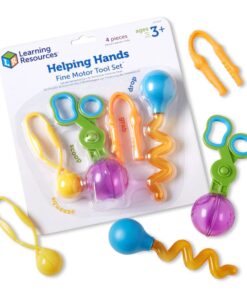
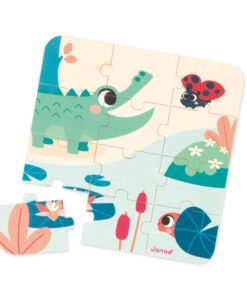
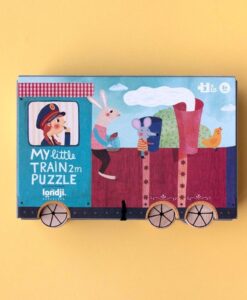
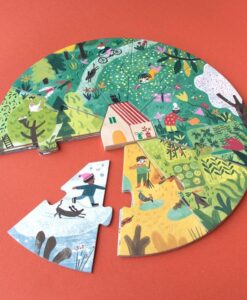
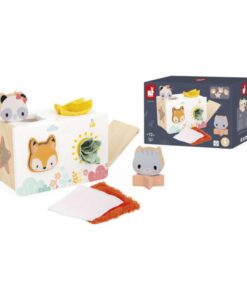
- Fine motor: puzzles and sorters, shape classifiers, threading and cutting games.
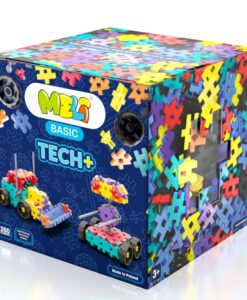
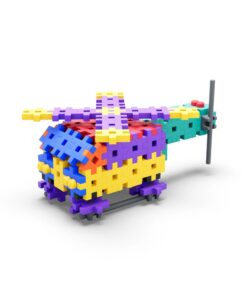
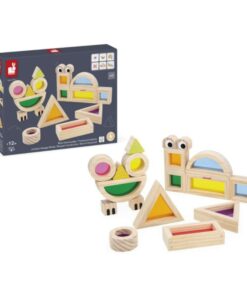
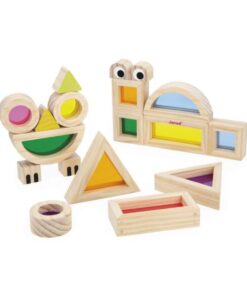
- Construction and manipulation: magnetic and flexible blocks, stackers and construction and manipulation games.
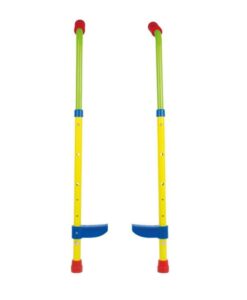
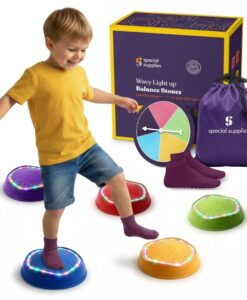
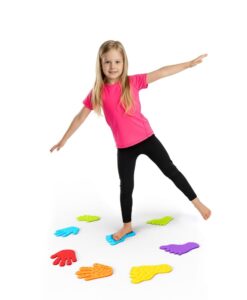
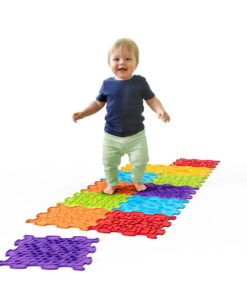
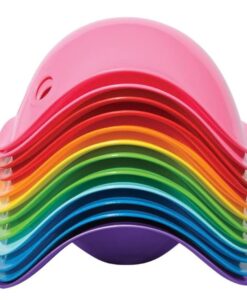
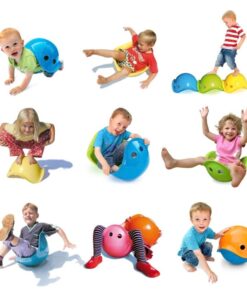
- Gross motor and balance: Bilibo-style toys, balance circuits and elements to build and move on.
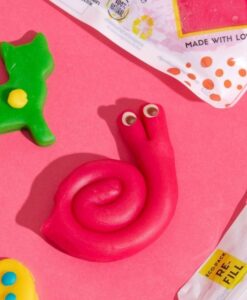
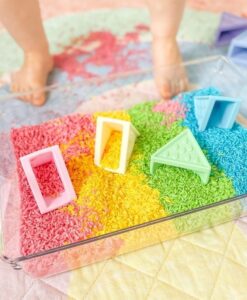
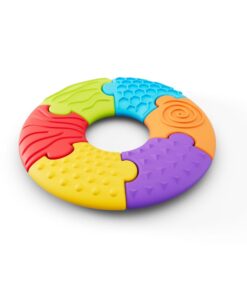
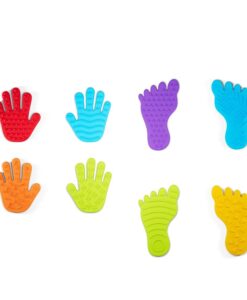
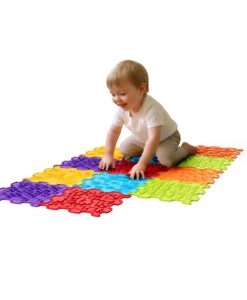
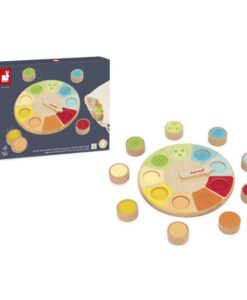
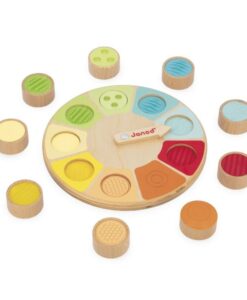
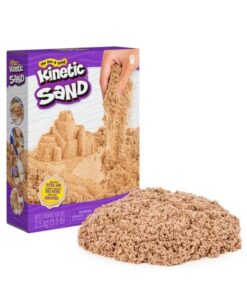
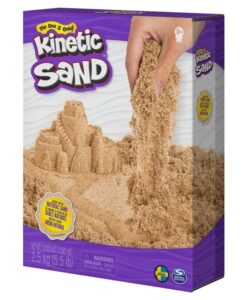
- Sensory manipulation: kinetic sand, modelling dough and senso-motor plates.
Motor skills games in speech and occupational therapy
In clinical and educational practice, motor play is a versatile tool: pincer grip and threading prepare for writing; balance games improve the postural control that supports attention; and manipulation fosters the coordination involved in feeding and speech too. A single game can work several areas at once, making it ideal for the session and for home.
Frequently asked questions about motor skills games
What is the difference between fine and gross motor skills?
Fine motor skills are precise hand and finger movements (pincer grip, threading); gross motor skills involve the large muscle groups (balance, jumping, coordination). Both develop through play and complement each other.
From what age should you start, and which game to choose?
From the first year, simple sorters and stackers; around 2-3 years, threading, classifying and balance games; from 3-4 years, more complex construction and motor circuits.
How do motor skills games help language and learning?
Motor coordination supports graphomotor skills (writing), postural control improves attention and manipulation aids articulation, so motor play indirectly supports language and learning.