




Calculation and mathematical language
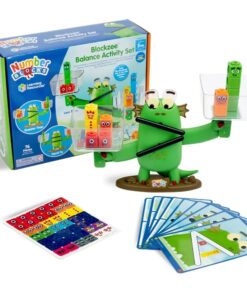
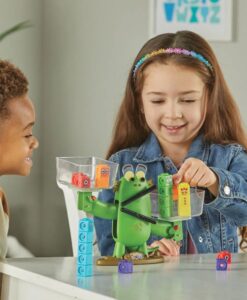


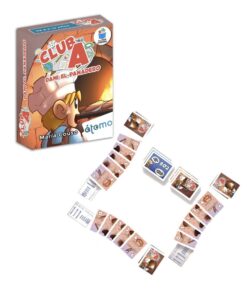
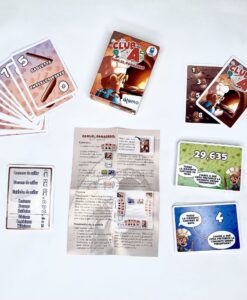
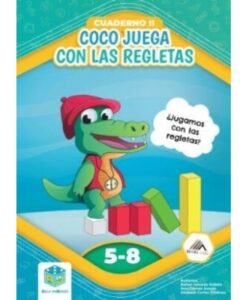
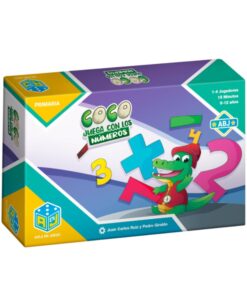
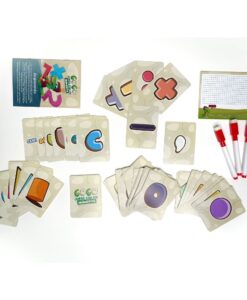
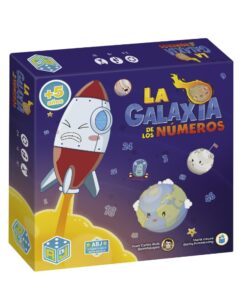
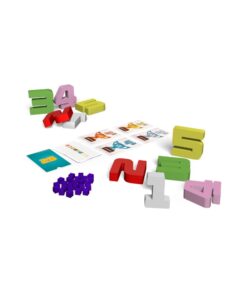
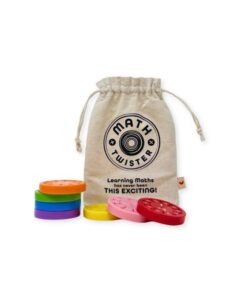
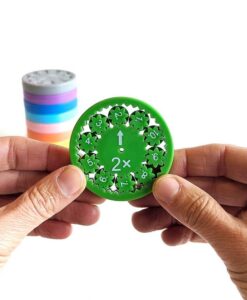
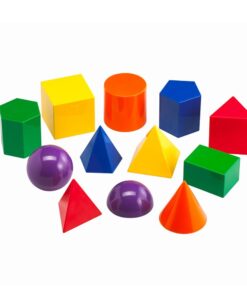
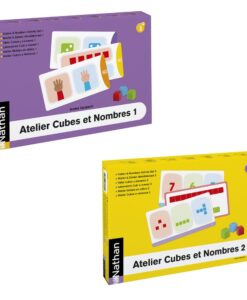
Cubes and numbers workshop


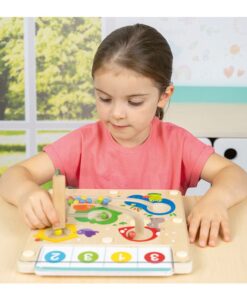
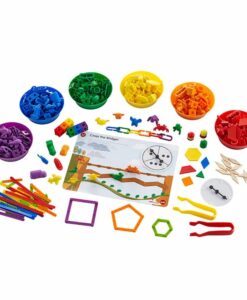
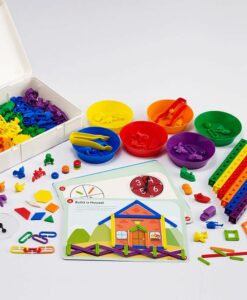
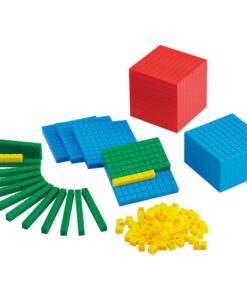
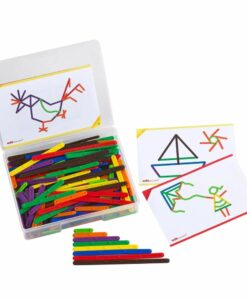
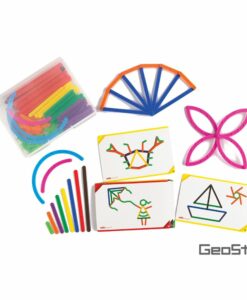

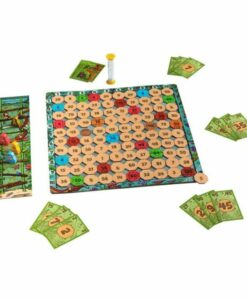
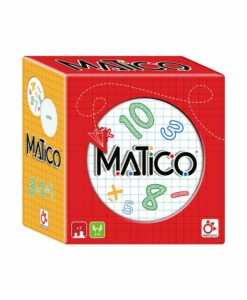
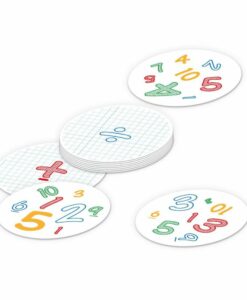
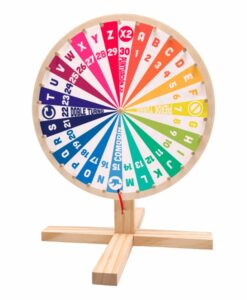
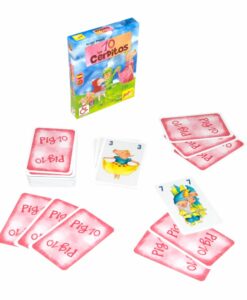
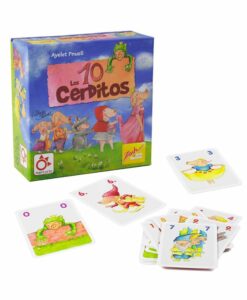
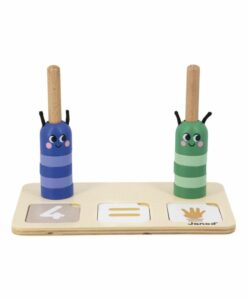
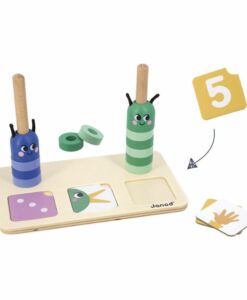
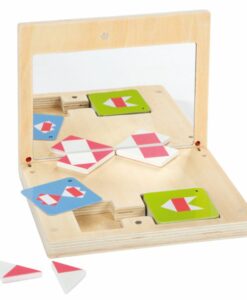
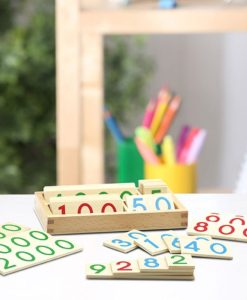
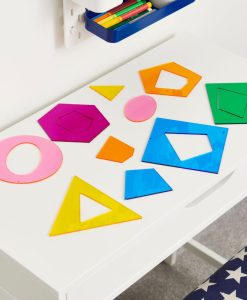
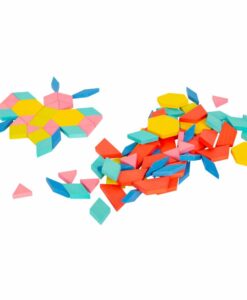
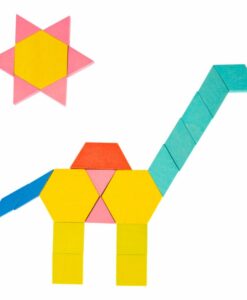
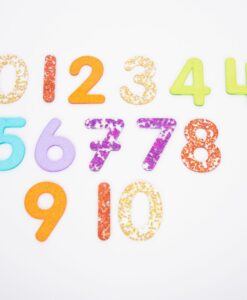
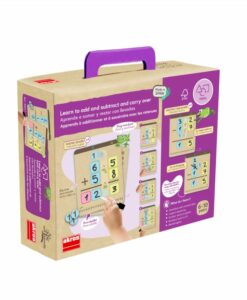
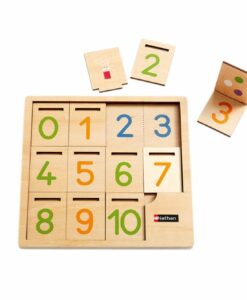
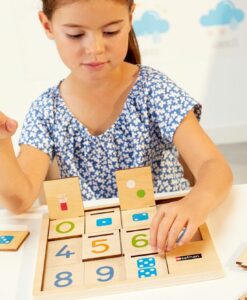
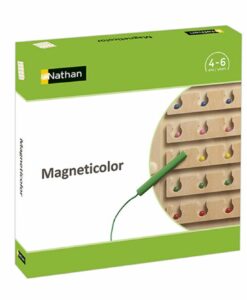
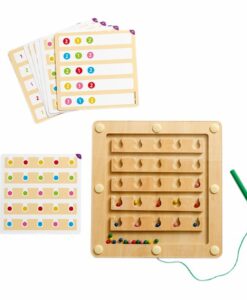
Most errors in a maths problem aren’t calculation errors. They’re comprehension errors: the child can subtract, but doesn’t know that “how many are left” means subtract.
So this category handles both at once — the number and the words around it — which is exactly where speech therapy and maths meet.
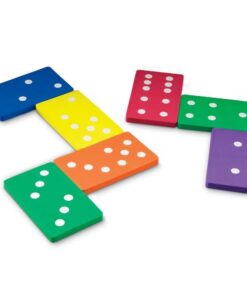
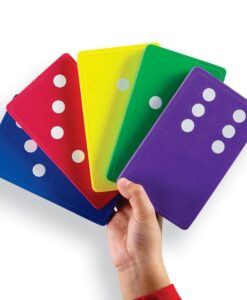
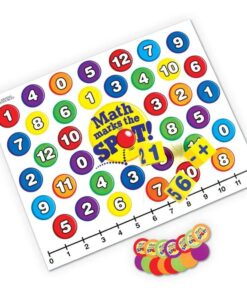
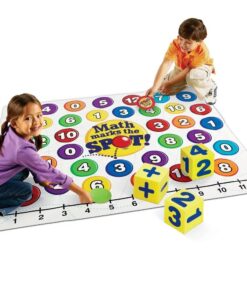
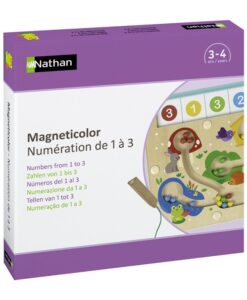
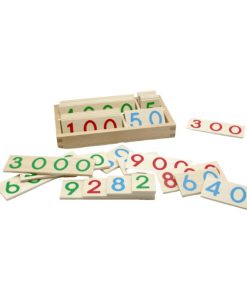
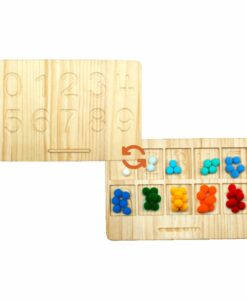
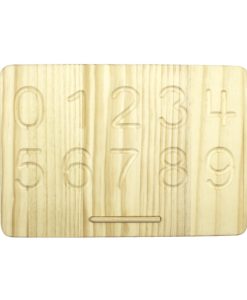
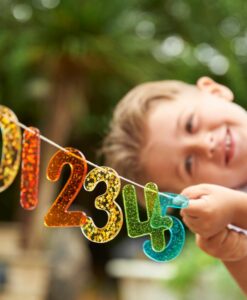
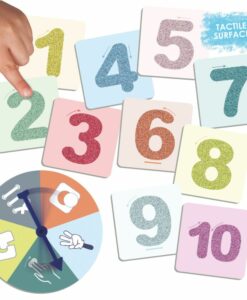
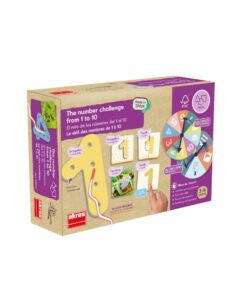
Number and quantity. Material for linking quantity, symbol and word: the first step, and the one most often assumed.
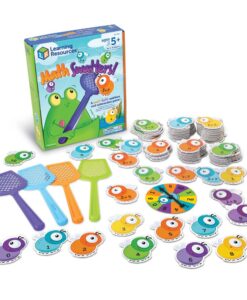
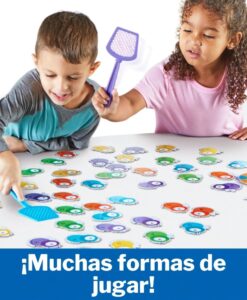
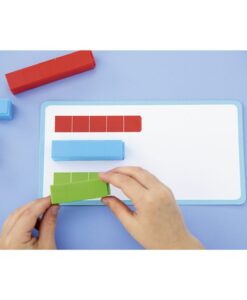
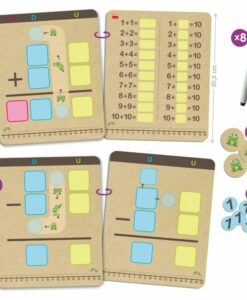
Operations. Hands-on material for addition, subtraction and partitioning, so the operation is seen before it’s written.
Problem solving. Word problems, sequences and problem-structure material: what am I being asked, what data do I have, what’s irrelevant.
Mathematical language. The specific vocabulary: more than, fewer than, how many are left, altogether, twice as many, half. The invisible part, and the one that fails most.
Purely manipulative material is under logical reasoning and maths, and logic games under logic and maths games. Word-problem comprehension builds on reading and writing.
Mathematical language is language
"John has 8 marbles and loses 3. How many are left?"
Solving it needs subtraction, yes. But first it needs knowing that "loses" means take away, that "how many are left" asks for the result of that subtraction, and that the order of the numbers in the sentence isn't the order of the operation.
A child with reading comprehension difficulties gets that problem wrong with subtraction perfectly learned. And usually gets labelled as having a maths problem.
Which is why work on the word problem itself — finding the question, the data and what's irrelevant — pays off so well: it fixes maths and comprehension at the same time.
From hands-on to symbolic, in three steps
Concrete
Counting with objects you can touch. Eight actual marbles. No abstraction yet.
Representational
Drawing it, or representing it with counters. The quantity isn't in front of you any more, but you can see it.
Abstract
Just the symbol: 8 − 3. That's the goal, and it comes after the other two.
Skipping the first is the commonest mistake, and it explains a lot of stuck children: they manipulate a symbol that means nothing to them.
Frequently asked questions
Is this material suitable for dyscalculia?
Yes, and for maths difficulties without a diagnosis too. The hands-on approach and word-problem work help in both cases. Diagnosis is for the relevant professional.
Why is there maths material in a speech therapy shop?
Because mathematical language is language. Word-problem comprehension, quantitative vocabulary and logical relations are speech therapy targets as much as maths ones.
What age from?
Quantity and correspondence work starts in early years. Written word problems, once reading is fluent.