




Logic and math games


Kidywolf Kidyelec electric kit for kids, starter or advanced

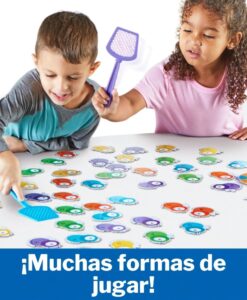
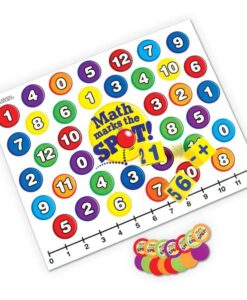
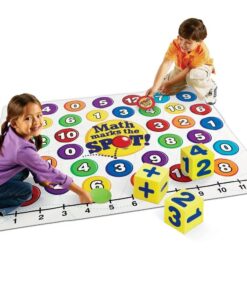



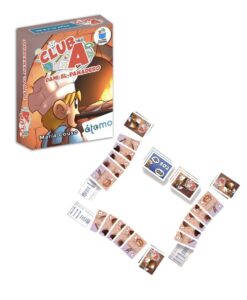
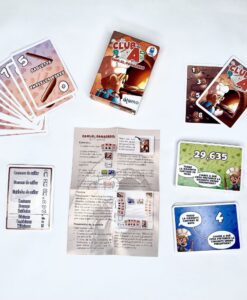
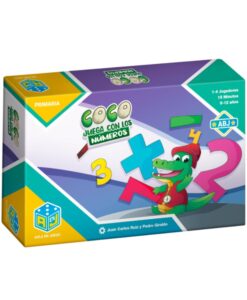
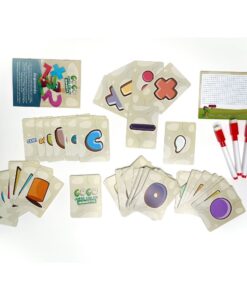



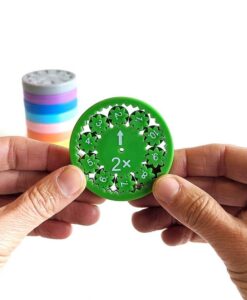
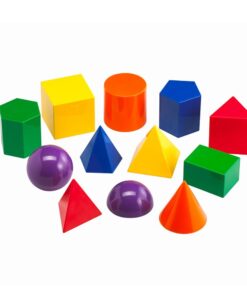


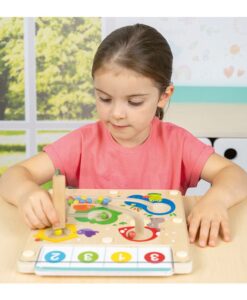


Juego magnético Edulogic – Colores y formas


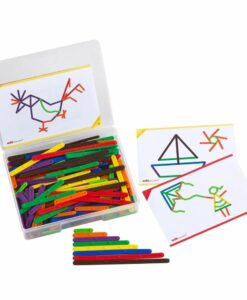
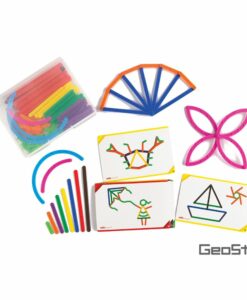
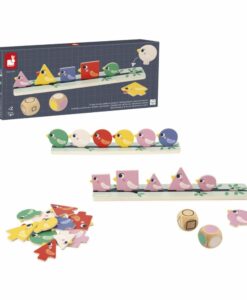
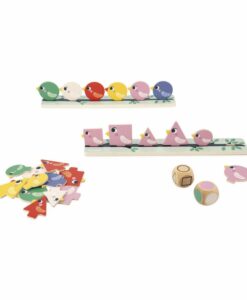
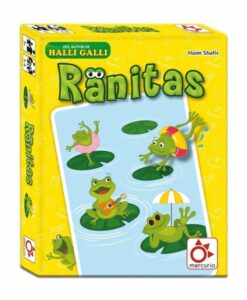
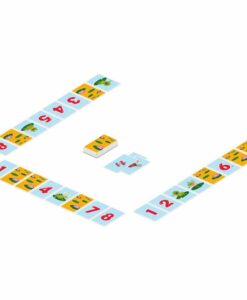
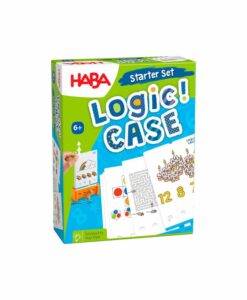
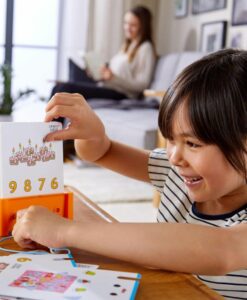


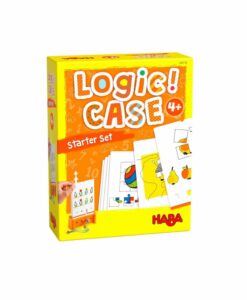
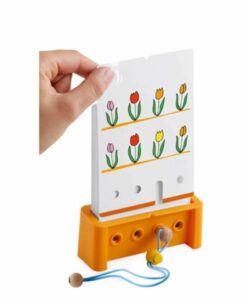


Logic and math games turn reasoning into fun: sorting, ordering, counting, spotting patterns and solving challenges. Through play, children build the logical-mathematical thinking that underpins calculation, problem-solving and focus.
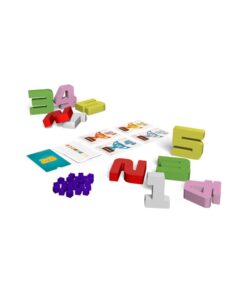
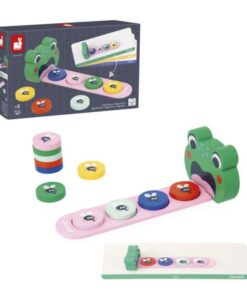
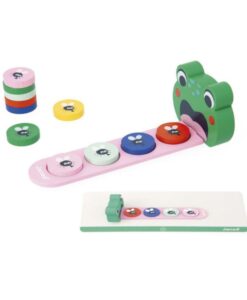
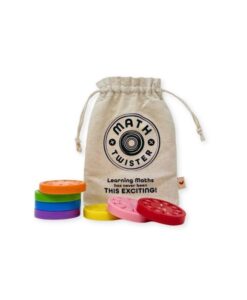
At logopedicum we gather hands-on logic and math games: abacuses, logic blocks, number rods and base-10 material, number and counting games, and reasoning challenges by level. Montessori-inspired resources, designed to learn concretely before moving on to the abstract.
They are part of our games by game type. If you are looking for material by area of development, visit logical reasoning and maths.
What logic and math games work on
Logical-mathematical thinking is not just calculating: it is sorting, sequencing, comparing, anticipating and reasoning. The games in this category train these skills in a hands-on way, which is how children best internalise them. Touching, moving and grouping pieces makes the abstract concrete, reinforces counting and the idea of quantity, and lays the ground for calculation and problem-solving.
Types of logic and math games
A hands-on selection for every age:
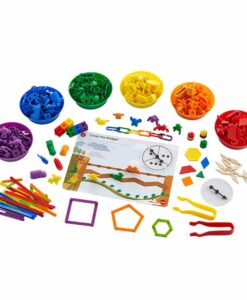
- Abacuses and counting material to introduce numbers and operations.
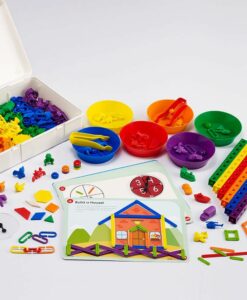
- Logic blocks to sort by colour, shape and size.
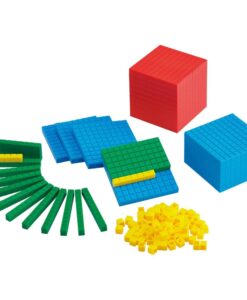
- Number rods and base-10 material to understand place value.
- Reasoning games, sequences and level-based challenges to think while playing.
Logic games for home, classroom and therapy
At home, they are a great way to practise maths without it feeling like homework. In the classroom, they support hands-on work before calculation. And in speech therapy and educational support, they help work on reasoning, attention and working memory. Combine them with memory games and attention and concentration games for complete cognitive work.
Frequently asked questions about logic and math games
What are logic and math games?
They are hands-on games and materials that develop logical-mathematical thinking: sorting, sequencing, counting, spotting patterns and reasoning. They help children understand numbers and operations concretely before moving on to the abstract.
From what age are they used?
There are options from ages 2-3 (sorting by colour and shape, first counting) to primary school (number rods, base 10, reasoning challenges). The key is to choose the right level and progress from the concrete to the abstract.
Which materials help learn maths through play?
Abacuses and counting material, logic blocks, number rods and base 10, and level-based reasoning games. Combining several lets you work on number, quantity, logic and problem-solving in a hands-on way.