




Also for adults


Kidywolf Kidyelec electric kit for kids, starter or advanced




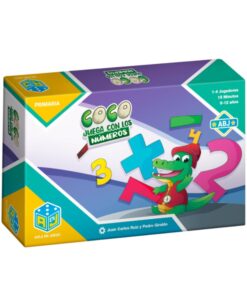
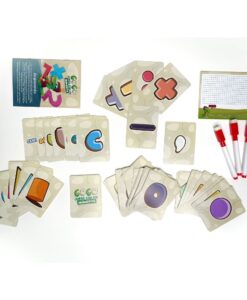


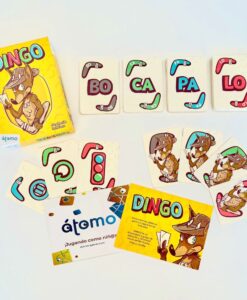
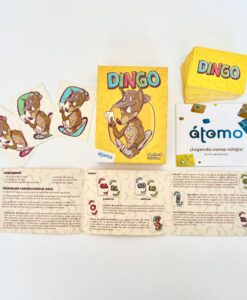


Flexible Magnetic Building Set – Clixo








Tambú 8″ – 11 notas
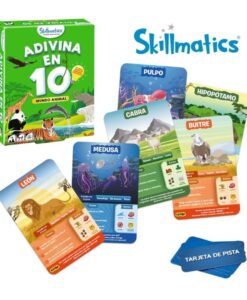

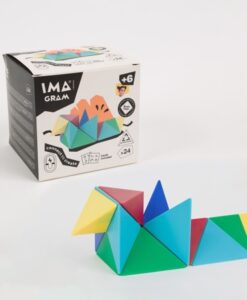
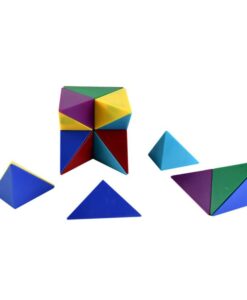
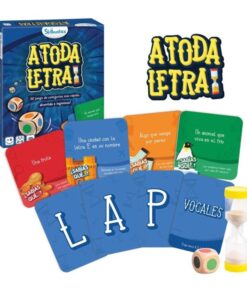
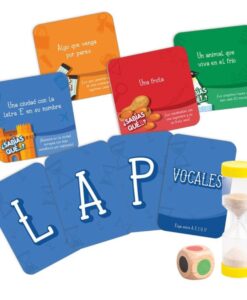
This category is not here because some games are “suitable for grown-ups too”. It is here because there are two real situations where the adult is not supervising but playing: intergenerational play, and games used as a working tool by professionals with adult patients.
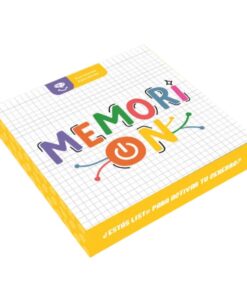
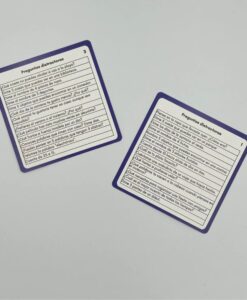
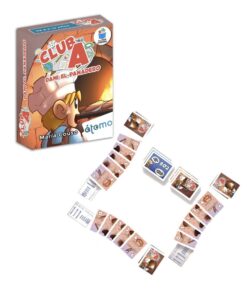
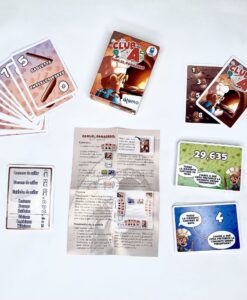
Here you will find speed and observation games, quizzes, audio narrative, drawing and stress-relief material — everything that works as well at seventy as at ten.
Part of toys by age, overlapping with family games.
Games as therapy material with adults
The least visible use and the most interesting one. In rehabilitation after aphasia, acquired brain injury or mild cognitive impairment, game material solves something worksheets cannot: dignity.
A sixty-year-old who has had a stroke and is handed a colouring sheet understands exactly what is happening, and often shuts down. That same adult, playing a visual speed game against the therapist, is working on precisely the same functions without the task reminding them of what they have lost.
- Naming and lexical access — quiz games and timed naming.
- Sustained attention and processing speed — speed and observation.
- Executive function — planning, inhibiting, switching criteria.
- Narrative discourse — recounting how the round went, which is spontaneous narrative without asking for it.
- Turn-taking and pragmatics — particularly relevant after frontal injury.
One purchasing criterion matters more than any other here: the aesthetic must not be childish. A game covered in cartoon animals cannot be used with an adult without it showing. Card formats, quizzes and plain wooden material pass that filter.
Playing across generations
The other scenario: grandparents and grandchildren. The requirement changes — the game must not depend on fine vision, hand speed or recent cultural references.
What survives that mix: team quizzes, bingo, traditional card games and observation games with large pieces. Pure speed games are unfair in this combination, unlike with children and parents.
And an under-discussed benefit: for an older person, playing with a grandchild is one of the few activities where they are not in the position of needing help. That matters more than it sounds.
Stress-relief material has no age
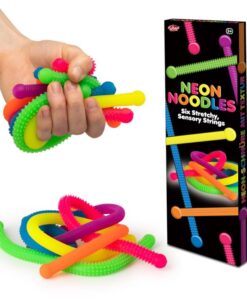
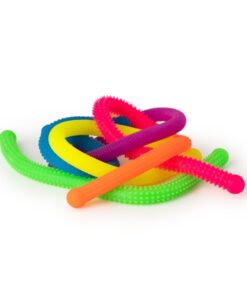
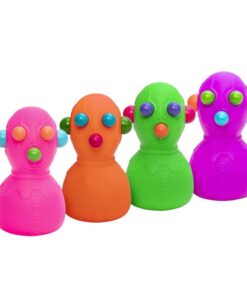
Squeeze and fidget objects are sold as children's toys and bought heavily for adults. The mechanism is identical at any age: they route arousal out through the hands while attention stays on the meeting, the exam or the waiting room.
Frequently asked questions
Can children's games be used in adult therapy?
Yes, and they are, constantly — with one criterion: the aesthetic must not be childish. What an adult rejects is not the difficulty of the task, it is material that treats them as a child. Cards, quizzes and plain wooden material pass; cartoon animals do not.
Which games work for people with aphasia?
Naming and lexical access games — timed naming, quizzes, associations — and narrative discourse games. The advantage over a worksheet is motivation: the patient speaks because they want to win the round, not because the therapist asked, and that changes the quality of what they produce.
What works with grandparents and grandchildren together?
Team quizzes, bingo and classic card games. Avoid pure speed games, which penalise the older player, and anything relying on recent cultural references. Large pieces and high contrast help considerably.
Is stress-relief material useful for adults?
It works the same at any age: it channels arousal through the hands without occupying attention. It is widely used while waiting, during demanding cognitive tasks, and as regulation support in clinical settings.