




Light resources

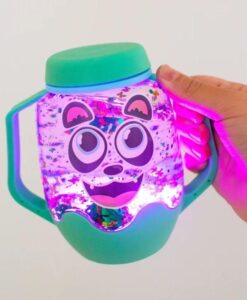

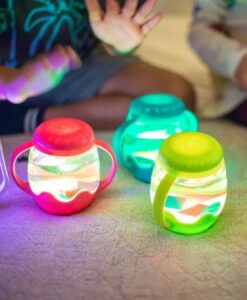
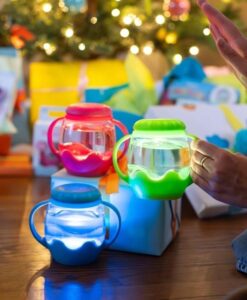
Mini Sensory Light Jar


Sensory Light Cubes – Character Set
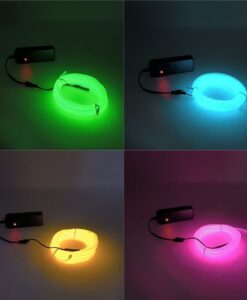
Multicolored LED Cable – 7 m


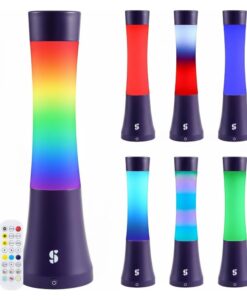

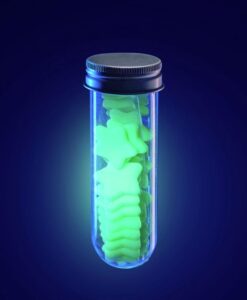

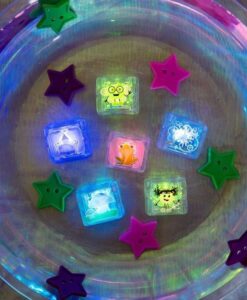
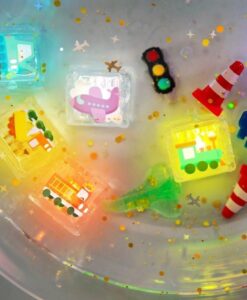
Cubos de luz sensoriales
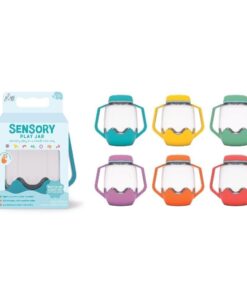

Jarra de luz sensorial
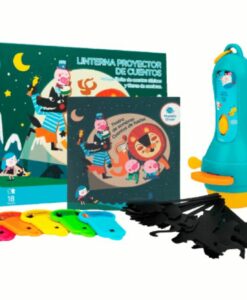
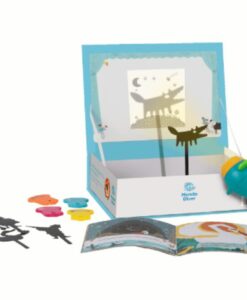

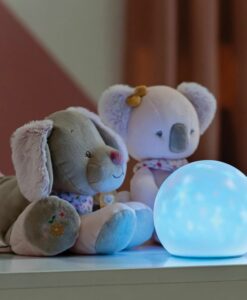
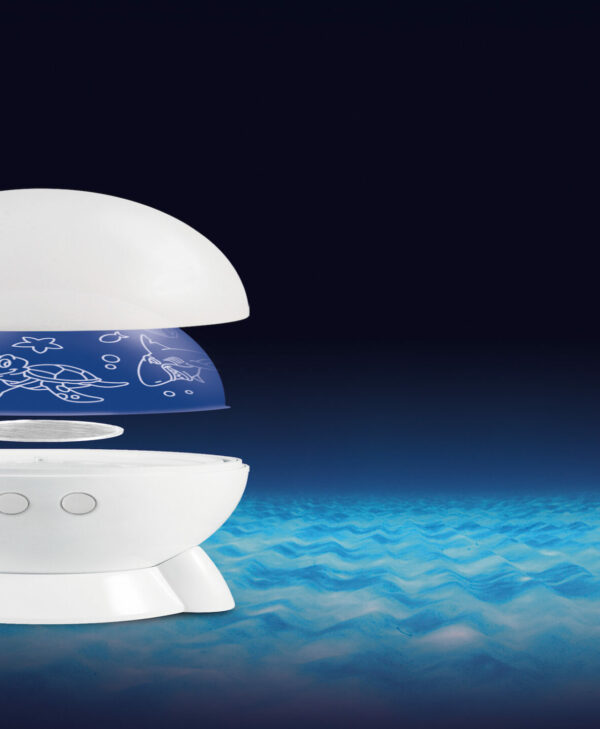
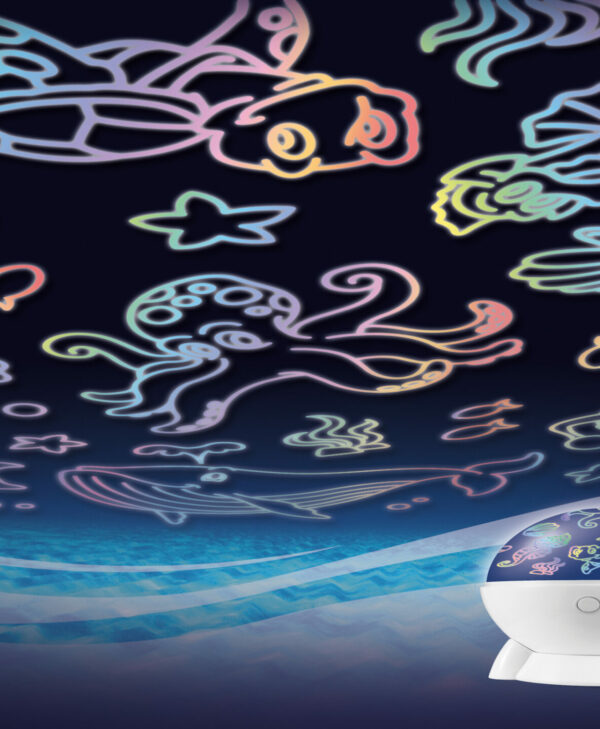
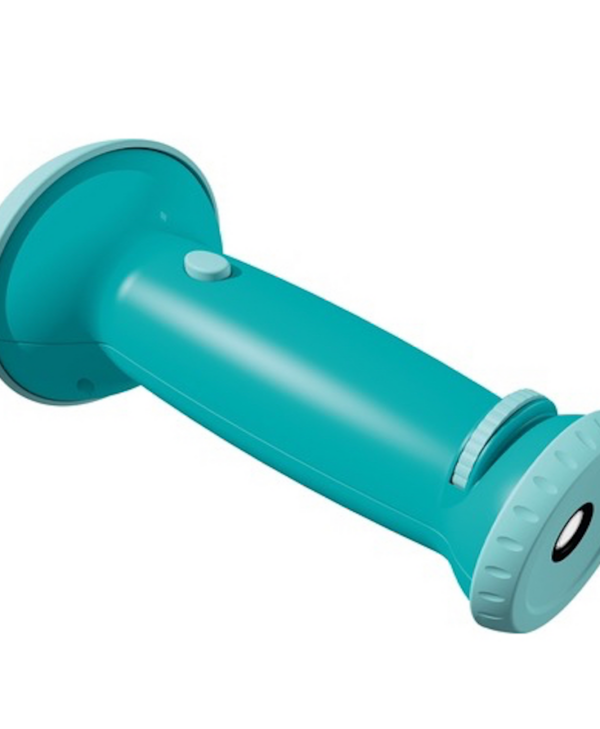
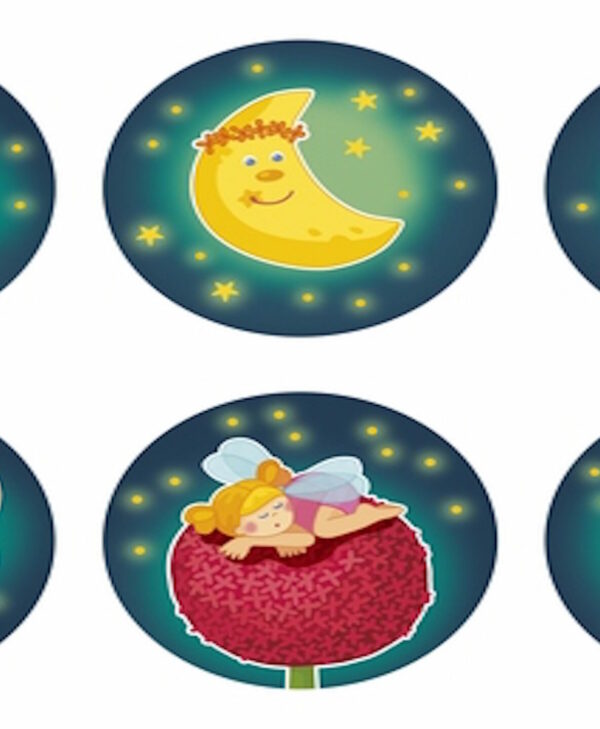
Dream projector flashlight
Sensory lights are sensory stimulation materials that use light as a therapeutic tool: they capture visual attention, regulate arousal levels and help create calming environments. They are a staple in multisensory (snoezelen) rooms, speech therapy and occupational therapy practices, special education classrooms and sensory corners at home.
At logopedicum you will find light cubes and jars, glowing sensory tubes, light-up textured balls, lava lamps, fluorescent materials and cause-and-effect toys with light. Safe resources with soft, adjustable light, selected with a therapeutic eye to work on attention, visual tracking and self-regulation.
This category gathers light with a therapy and stimulation focus. If you are looking for light to play with, visit toys with light; and if you need it for bedtime, see our music and night lights.
Light as a sensory stimulation tool
Light is one of the most powerful visual stimuli there is: a glowing point in a dim room draws the gaze, invites visual tracking and cuts out background distractions. That is why sensory lights are used both to stimulate (spark attention and exploration) and to calm (lower arousal and support self-regulation). For children with autism, ADHD or sensory sensitivities, soft, predictable light helps organise sensory experience and create moments of calm.
Which light resources you will find
A selection designed for the therapy room, the classroom and home:
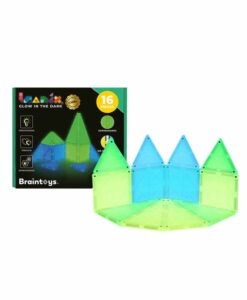
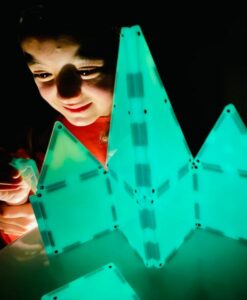
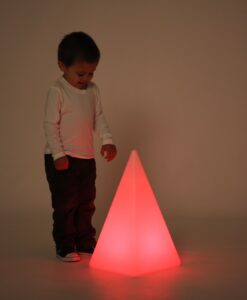
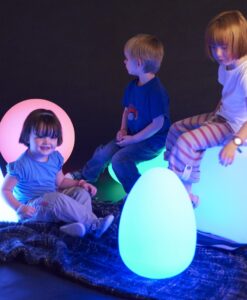
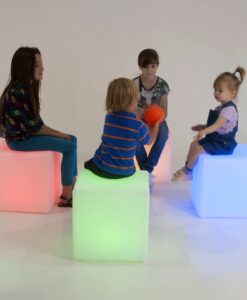
- Sensory light cubes: change colour by remote or touch, perfect as a visual anchor and for play in low light.
- Light-up jars and sensory tubes: water or glitter moving in the light mesmerises, soothes and trains visual tracking.
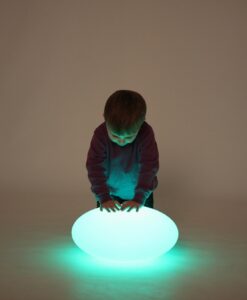
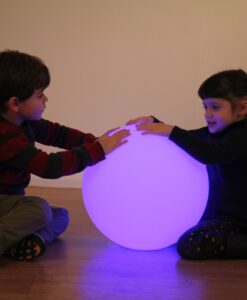
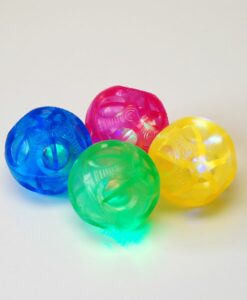
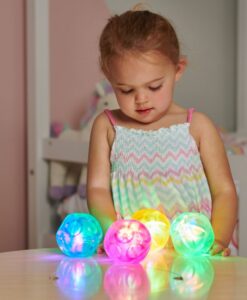
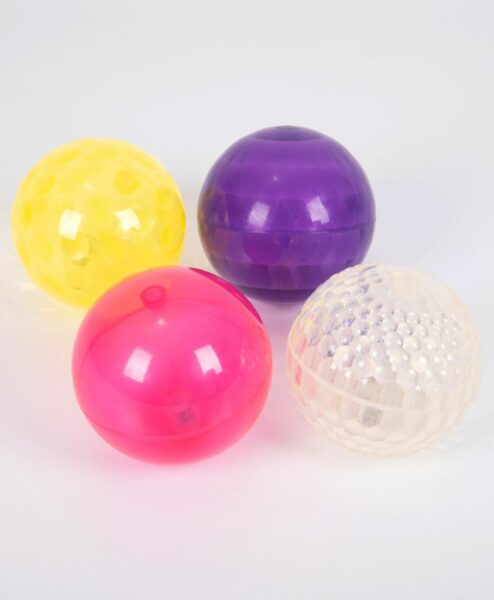
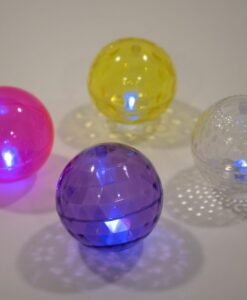
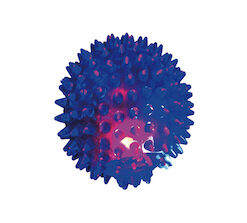
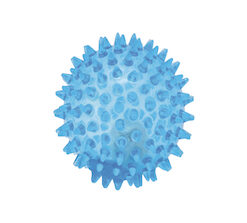
- Glowing textured balls: combine light, texture and movement; a classic alongside our sensory balls.
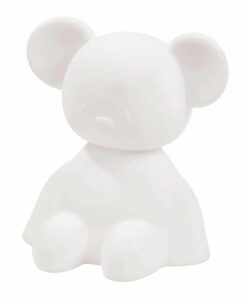
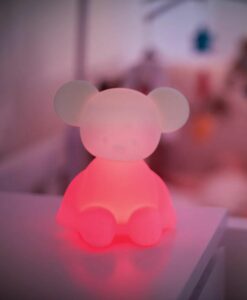
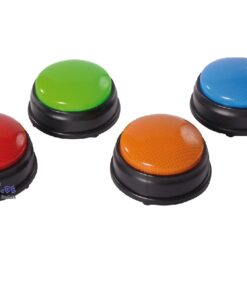
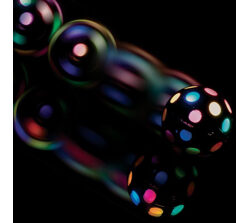
- Lava and projection lamps: set the mood of the multisensory room and mark activity transitions.
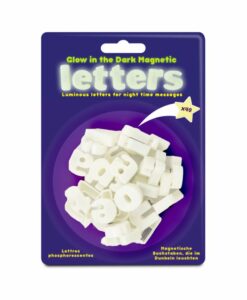
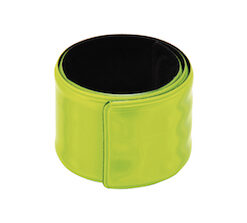
- Fluorescent and reflective materials: stars, magnetic letters and glow bracelets, ideal for black-light work.
How to set up a sensory corner or multisensory room
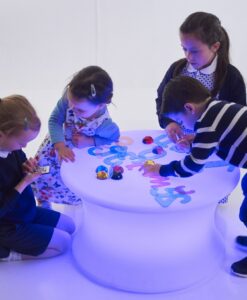
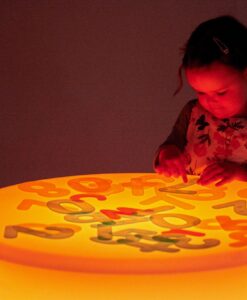
You do not need a professional snoezelen room to work with light: a dimmable space and two or three well-chosen resources are enough. Start with a sensory tube or light jar as the main focus, add a light cube for colour play and a glowing ball for tactile exploration. If you work on a surface (translucent materials, sorting, early literacy), complete the corner with one of our light tables and accessories. And to expand it with smells, sounds and textures, explore our full multisensory stimulation range.
For speech therapists, occupational therapists, teachers and families
In speech therapy, light helps capture and hold attention before language work. In occupational therapy, it is a key piece of sensory integration and regulation. In the classroom, a calm corner with soft light helps manage sensory overload. And at home, it turns the wind-down routine into a moment children look forward to. Every product lists the recommended age and type of stimulus so you can choose with confidence.
Frequently asked questions about sensory lights
What are sensory lights and what are they used for in therapy?
They are sensory stimulation materials with soft, adjustable light (cubes, jars, tubes, glowing balls) used to capture visual attention, work on eye tracking and support self-regulation in multisensory rooms, therapy practices, classrooms and at home.
How do I create a sensory corner with light at home or at school?
Choose a space you can dim, set up one main focus (a sensory tube or light jar), add one or two hands-on resources (a light cube, a glowing ball) and keep sessions short. A light table extends the corner for tabletop activities.
Are they suitable for children with autism or sensory sensitivities?
Yes, as long as the light is soft, predictable and adjustable, and is introduced gradually. Avoid intense or flashing lights if there is photosensitivity, and watch the child's response to adjust intensity and duration.