




Music and night lights





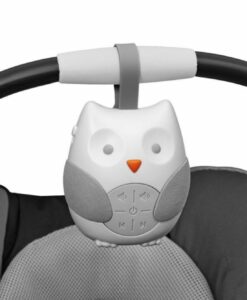
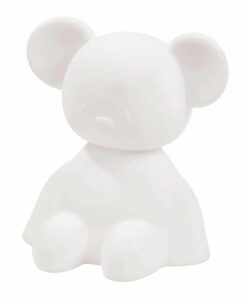
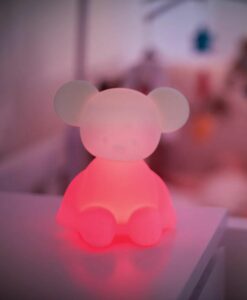

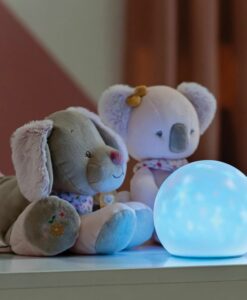
Fear of the dark isn’t a whim or a passing phase: it appears around 2-3 years, when imagination develops enough to populate the bedroom with things that aren’t there. Arguing doesn’t work. What works is giving the child a tool they can control themselves.
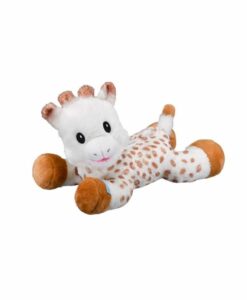
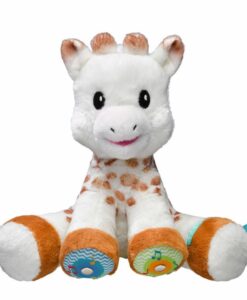
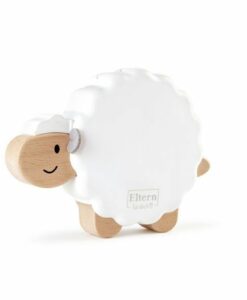
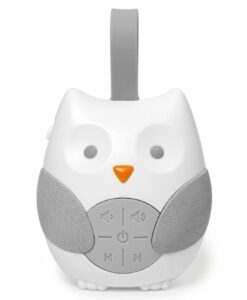
Here you’ll find warm, dimmable night lights, musical lamps, carousel music boxes, glowing soft toys and clock-lamps that show when it’s time to get up.
It is part of child sleep and pairs with comforters and soft toys and baby books and bedtime stories.
Which light to choose for sleep (and which to avoid)
Not all lights are equal where sleep is concerned. Colour is the key: bluish and cool white light suppresses melatonin, the hormone that tells the body it's night. That's exactly the opposite of what you want at nine in the evening.
- Warm, amber or reddish light. It interferes least with melatonin. If the lamp changes colour, fix it on amber at night.
- Low, adjustable brightness. Enough to get their bearings if they wake, not enough to read by. Many models fade out gradually.
- They must be able to switch it on. This is the crucial part: a light the child controls hands back power over the situation, and that reduces fear far more than any explanation.
- Portable and soft silicone. Better if they can carry it to the bathroom at 3am or hold it in bed. No cables, no bulbs that heat up.
- Timer. Stops the light staying on all night, which can fragment sleep.
Music as the signal that night is here
A small child's brain doesn't read clocks, but it does recognise sequences. If the same things happen in the same order every evening — bath, pyjamas, story, the same tune — the routine itself becomes the sleep signal, and bedtime stops being renegotiated daily.
A music box or musical lamp does that job well because it always sounds the same and always lasts the same. Choose slow melodies without lyrics, at low volume, and a device that switches itself off: continuous music all night doesn't support deep sleep.
When sleep is harder: autism, ADHD and high sensitivity
For children with autism, ADHD or a highly reactive sensory profile, bedtime is often the hardest moment of the day — and not for want of boundaries: the shift from activity to stillness demands regulation that costs them more.
Two things help consistently. The first is absolute predictability: same order, same light, same tune, every night. The second is controlling sensory input rather than removing it: total silence can be more distressing than a constant soft sound, and total darkness worse than a minimal steady light. A colour-changing clock-lamp also helps children who need clear visual information: there's nothing to argue about, the light says whether it's morning.
Frequently asked questions about night lights
Is it bad for a child to sleep with a light on?
It depends on the light. A dim, warm light doesn't interfere significantly and can be the difference between settling and not settling. What's worth avoiding is white or bluish light and high brightness, because they suppress melatonin. Where possible, use a timer so it goes off once they're asleep.
What age does fear of the dark start?
Usually between 2 and 4, alongside the development of imagination and symbolic thinking. It's a normal developmental stage and generally resolves on its own. Having a light they can switch on themselves shortens the process considerably, because it restores their sense of control.
Are wake-up clock lamps actually useful?
Mostly with early risers. By changing colour at the agreed time, the child gets a clear visual cue about whether they can get up, without needing to tell the time or ask. They work particularly well with children who need concrete, visible rules.
Steady light or music on a timer?
You can combine them. Music on a timer accompanies falling asleep and then stops; a dim light stays on in case of a night waking. What isn't advisable is leaving both sound and bright light on all night.