




Tales



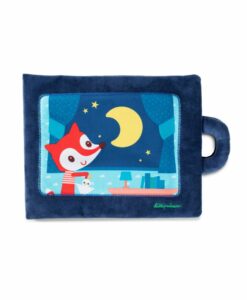
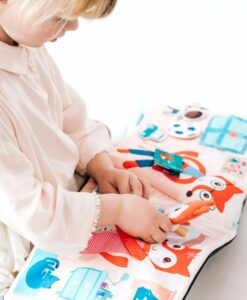
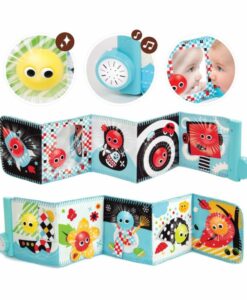
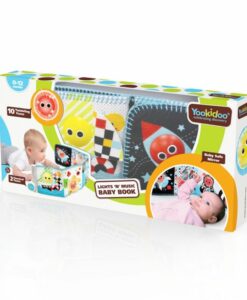
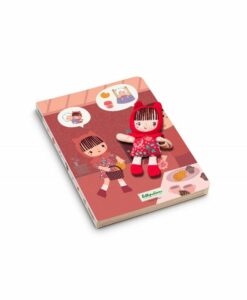
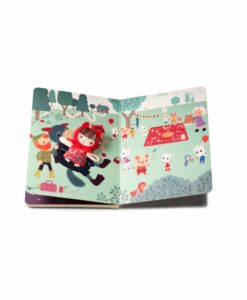
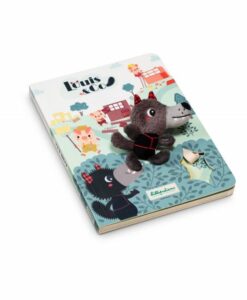
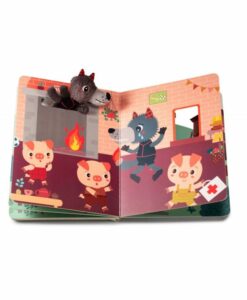
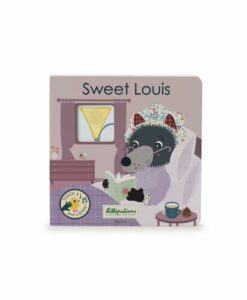
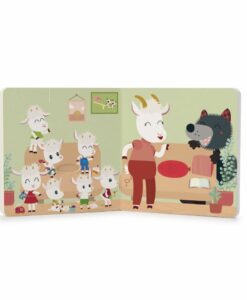
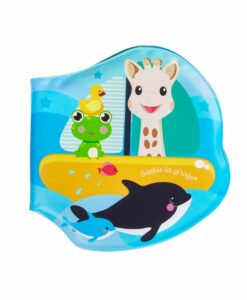
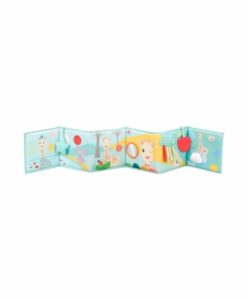
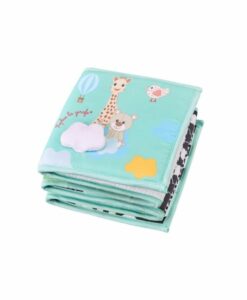
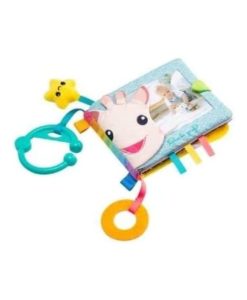
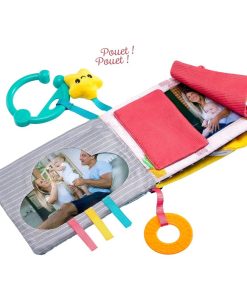
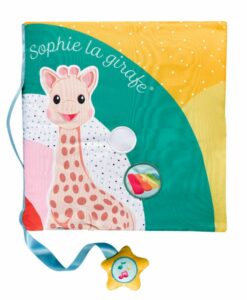
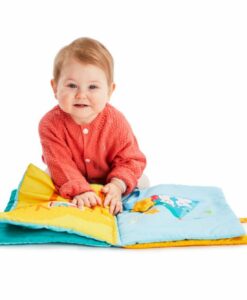
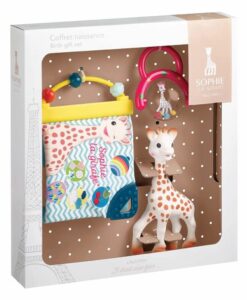
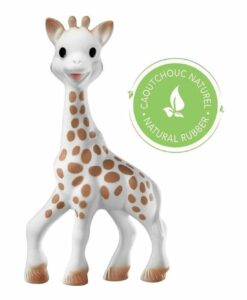
A six-month-old doesn’t listen to a story: they chew it, bang it, turn the same page twelve times and stare at a flap. That’s reading too. Which is why first books aren’t chosen for the story, but for what you can do with them.
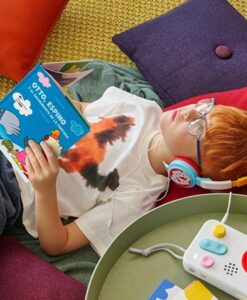
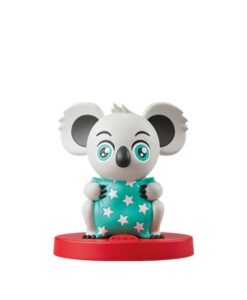
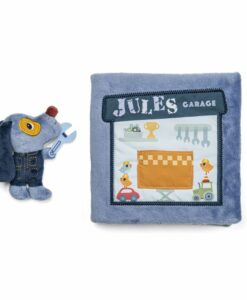
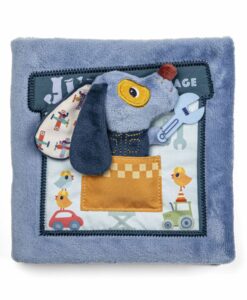
Here you’ll find sensory books with textures and sounds, light-up books, water-resistant bath books, concertina books, personalisable photo albums and audio storytellers for the evening routine.
It is part of child sleep and pairs with night lights and comforters.
Which book at which age
- 0-6 months. High-contrast black and white, fabric or thick board pages, something that crinkles. At this age the book is a sensory object: the interest is in sound and texture, not the illustration.
- 6-12 months. Texture books with large flaps, bath books, sound books with buttons. Page-turning begins, which is pure fine motor work.
- 12-24 months. Recognisable everyday objects, one word per page, flaps and wheels. This is when books start genuinely generating vocabulary.
- 2-3 years. Very short stories with repetitive, predictable structure. Repetition doesn't bore a child: it's exactly what lets them anticipate and join in.
Why books are the best language tool there is
Reading with a baby isn't reading: it's having a conversation around a book. That difference is what produces the language effect. When an adult points, names, waits, repeats the baby's babble and adds one more word, they're doing language stimulation in the most literal sense, without it looking like it.
Books offer something ordinary conversation doesn't: decontextualised vocabulary. Day to day we talk about what's in front of us — food, bath, coat. A book lets you talk about an elephant, the sea or the moon, none of which are in the kitchen. That expanded vocabulary is one of the strongest predictors of later language development.
Three things that work better than reading the text as written: point and name rather than reading straight through; pause so the baby can answer with whatever they have, even a sound; and let them lead — if they want to stay on the same page, stay there.
Stories as the anchor of the sleep routine
The bedtime story does a job that has little to do with reading: it marks the end of the day. It's the signal that movement is over and calm begins, and it works because it always happens in the same place, at the same time, in the same sequence.
For that role it should be short, familiar and with a calm ending, read in warm light and a low voice. Audio storytellers have a specific advantage here: the child can hear a story with no screen and without an adult reading, which buys some breathing room when there's more than one child at home.
Frequently asked questions about baby books
What age can you start reading to a baby?
From birth. At first what the baby takes in isn't the content but the adult's voice, the rhythm and the closeness. Around 3-4 months they start noticing high-contrast images, and by 6 months they want to handle the book themselves.
What is a sensory book?
A book that offers tactile and sound input as well as pictures: textures to touch, crinkly materials, mirrors, flaps, sounds. It's designed for the stage when babies explore with hands and mouth, and it's what holds their attention before the story means anything.
My baby only chews books — am I doing something wrong?
No, that's exactly what to expect. Before the first birthday the mouth is an exploration tool as legitimate as the hands. Which is why fabric, thick board or bath books suit this stage, with paper ones saved for later.
Are audio storytellers good for language?
They support listening comprehension, auditory attention and vocabulary, with the advantage of no screen. That said, they don't replace shared reading: what most affects language is interaction with an adult who points, asks and waits for an answer. Audio is a good complement, particularly at bedtime.