




Vibrating pillows
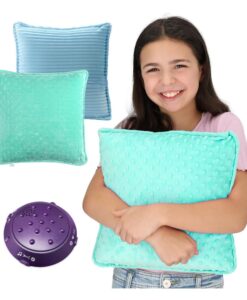
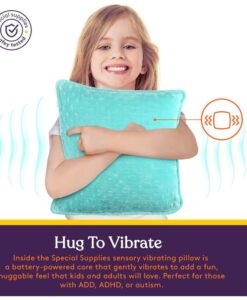

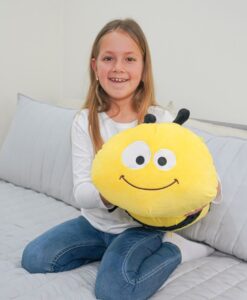
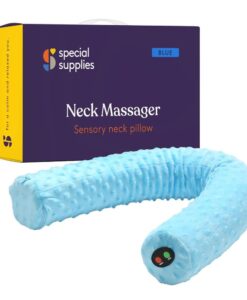
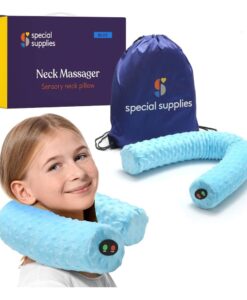
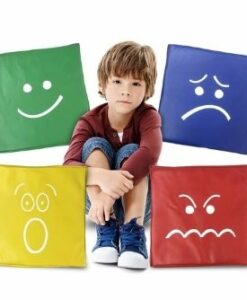
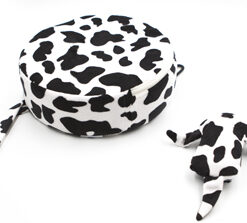
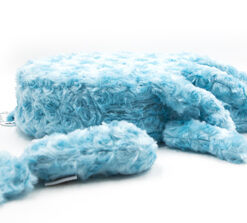
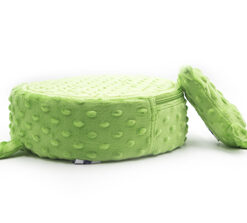
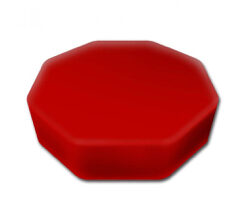

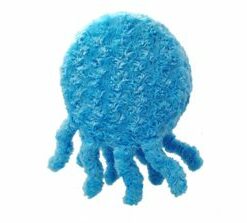
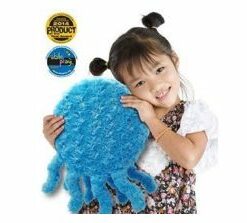
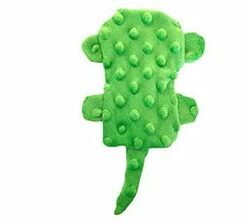
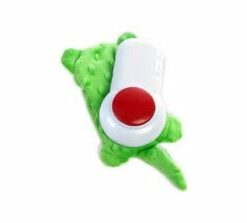
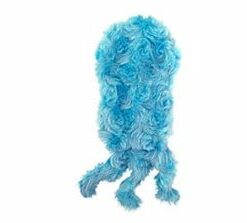

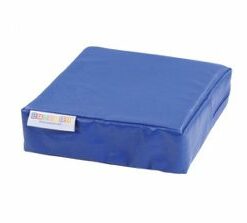
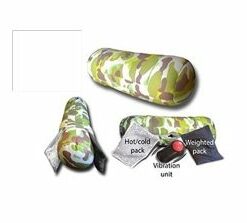
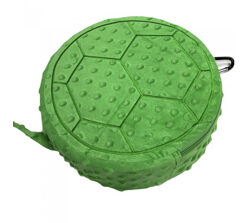
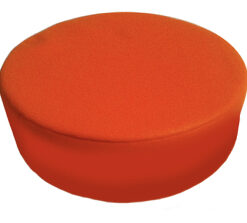
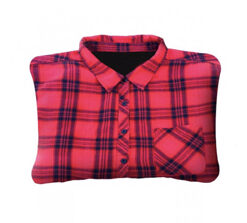
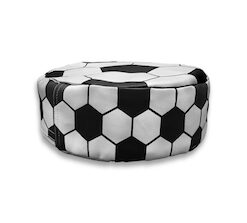
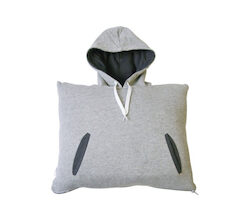
Vibration does two opposite things depending on how it’s used: it wakes up someone who’s shut down, and it settles someone who’s overwhelmed. That makes it one of the most useful tools in sensory regulation, and it’s why choosing the right one matters.
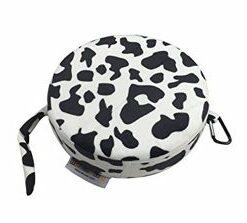
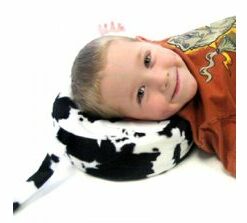
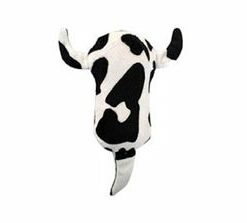
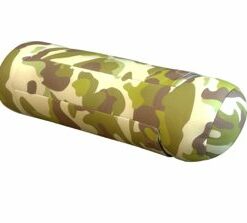
Here are the cushions and vibration equipment in the catalogue, with what to look at before deciding.
What to check before choosing
Intensity, and whether it adjusts
A fixed-intensity cushion suits one profile and irritates another. The ones that let you adjust the power cover far more ground and stay useful longer.
Surface and size
A large cushion is used sitting or lying down, for deep pressure across the whole body. Small ones are used locally and can go into a classroom without drawing attention.
Noise
The most overlooked factor, and the one that causes most trouble in class. A noisy cushion in a group with auditory hypersensitivity is counterproductive.
Power source
Battery or mains. Battery gives you freedom but means keeping spares; a plug ties the cushion to one corner.
When it alerts and when it calms
The rule of thumb: short, intense vibration alerts; long, gentle vibration calms. A couple of minutes of strong vibration before a task that demands attention wakes the system up. Ten minutes of gentle vibration in the calm corner helps bring someone down after a meltdown.
What doesn't work is leaving it running all the time: the system habituates and stops responding.
What it pairs with
Vibration is almost always used alongside deep pressure — weight, squeezing, wrapping — because both inputs travel the same proprioceptive route and reinforce each other. See also body work and ASD, the profile that uses this material most.
If what you need is oral vibration — Z-Vibe and similar, for mouth work — that's a different thing, under oral vibration.
Frequently asked questions
Does a vibrating cushion help a child with ADHD?
It can, and it's often paired with a wobble cushion to allow movement in the chair. But it works as part of an agreed routine, not as a reward and not as something improvised mid-meltdown.
What age from?
Used from early years, always supervised and starting at the lowest setting. Not recommended for babies without professional guidance.
Is it the same as a weighted blanket?
No, though they're used for the same purpose. A blanket gives constant, passive pressure; a vibrating cushion gives active, intermittent input. Some profiles respond to one and not the other, and it's normal to try both.