




Electrostimulation
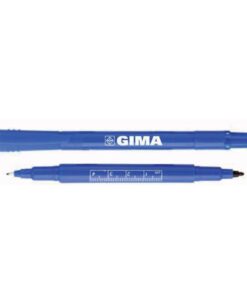
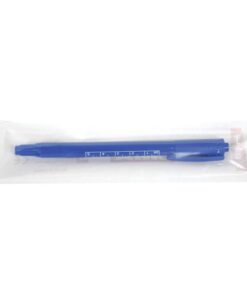


Replacement ferrules – Conductive pen


Facial mask – Extraoral electrodes


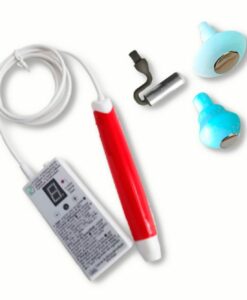


Extraoral electrodes with cable

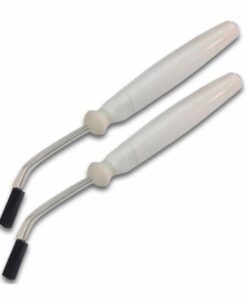
Extraoral electrodes

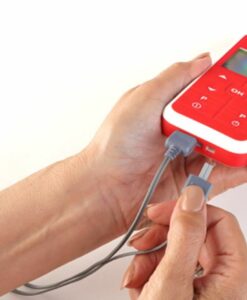

Mini facial or pediatric electrodes


Conductive gel


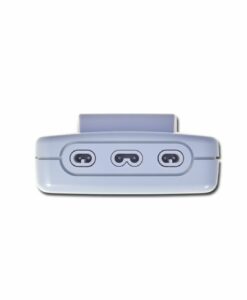


Female adapter 2mm

Electrode with gel 24mm

Pediatric or facial adhesive electrode
Neuromuscular electrical stimulation delivers a controlled current to produce contraction in muscles a patient cannot activate on their own, or to reinforce weak activation.
In speech therapy it is used on facial and floor-of-mouth musculature, in facial palsy, in neurological sequelae and in tone work. It is an instrumental technique that requires specific training.
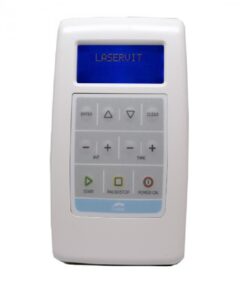
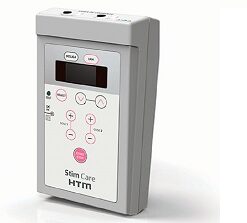
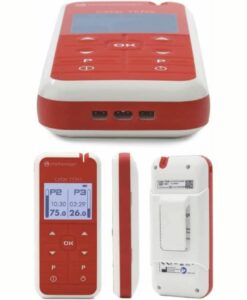
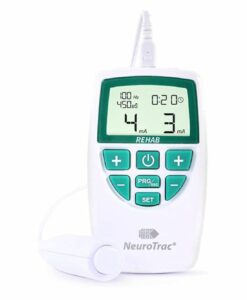
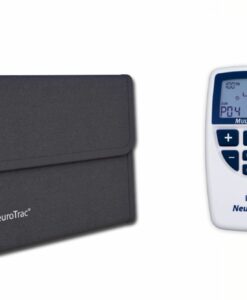
Devices. Neurotrac REHAB TENS-EMS, Neurotrac Multitens, CEFAR Primo PRO TENS-FES 2-channel, Stim Care portable neuromuscular stimulator and Mio Care Pro in its speech therapy version.
Electrode application. Extraoral electrode face masks, extraoral electrodes with and without leads, adhesive facial and paediatric electrodes, mini electrodes, 24 mm and 3 cm gel electrodes, auricular electrodes and silicone electrode rolls for cutting to size.
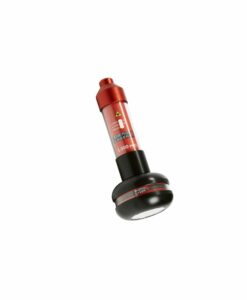
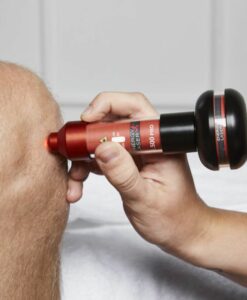
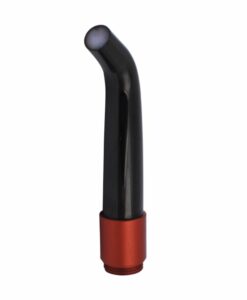
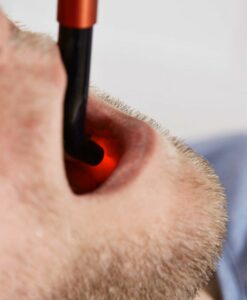
Point application. Portable stimulation pens and conductive pen extenders with replacement tips, for targeting specific motor points rather than a broad area.
Consumables and connections. Conductive gel, electrode adhesion liquid, conductive gloves, Neurotrac replacement leads, 4 mm snap adaptors and 2 mm female adaptors.
Sensory preparation sits in vibration; the active work that should follow stimulation in lips, tongue and more; and the tone and facial balance approach in facial aesthetics and thermotherapy.
What the current does, and what it does not
Electrostimulation produces a contraction. It does not teach a pattern.
That distinction determines how it is used: current helps a muscle that will not activate to fire again, and gives the patient feedback from an area they cannot feel — but motor learning only appears when a voluntary movement is requested straight afterwards.
That is why it is almost never used alone. The usual sequence is stimulate, then immediately ask for active contraction of the same musculature.
Current types, without the jargon
TENS
Works on sensation and pain. It does not aim for contraction.
EMS / NMES
Produces muscle contraction. This is what is used for tone work and re-education after palsy.
FES
Functional stimulation: contraction is timed with a movement the patient is attempting. It is the closest to motor learning.
Pad or pen
Adhesive pads cover an area and activate several muscles at once. Convenient, quick, and adequate when the goal is general tone.
A stimulation pen lets you find the motor point of one specific muscle. It is slower and requires knowing the anatomy, but it is what facial palsy demands when some fascicles respond and others do not.
On the face, where muscles are small and overlapping, the difference between the two is considerable.
Contraindications ⚠️
Electrostimulation must not be applied to people with pacemakers or other implanted electronic devices, over the anterior neck in patients with cardiac or carotid conditions, in uncontrolled epilepsy, during pregnancy, over open wounds, or over areas with metal implants without prior assessment.
It requires specific accredited training. This equipment is intended for professionals trained in its use.
Common questions
How many sessions are needed?
It depends entirely on the presentation and the stage. In facial palsy protocols are long and the evidence on timing of onset is not unanimous. There is no standard number.
Can it be used with children?
Paediatric electrodes and devices with appropriate intensities exist, but indications in paediatric populations are more restrictive and require judgement and informed consent.