




Memory games

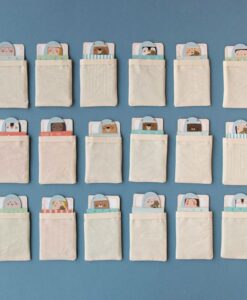
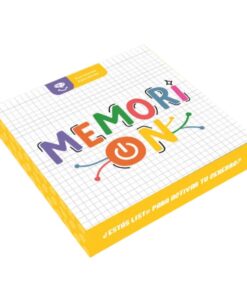
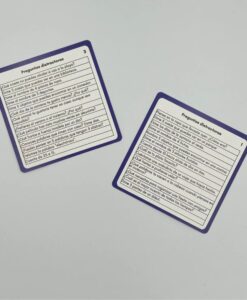

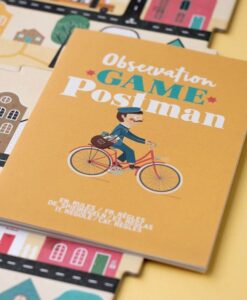




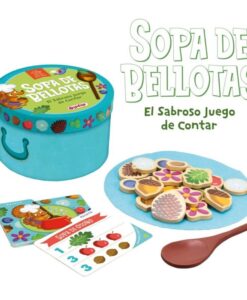

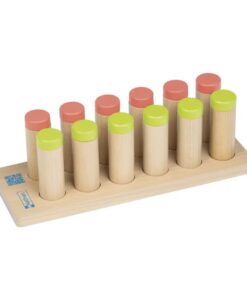
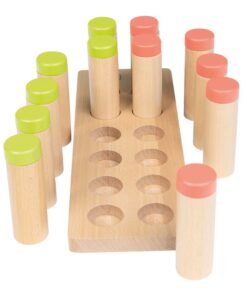
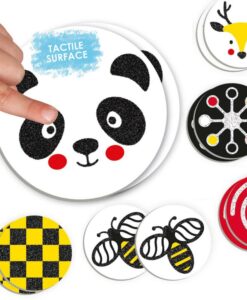

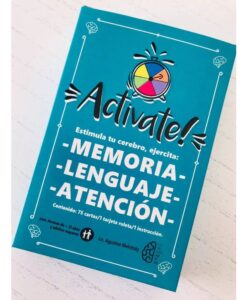
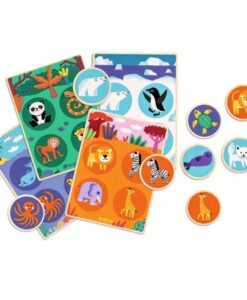

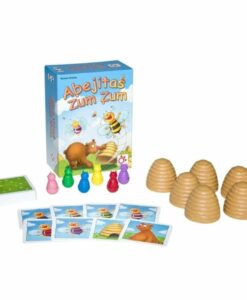
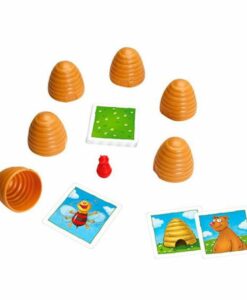
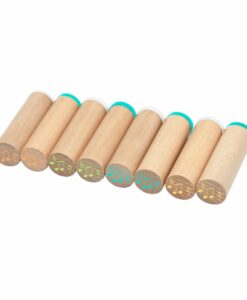

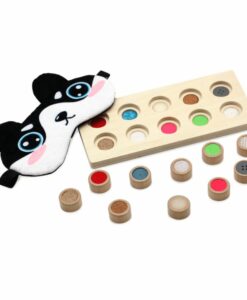
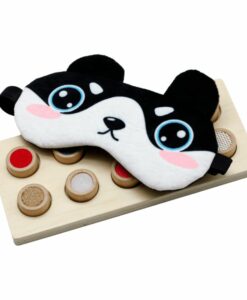
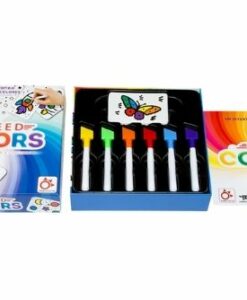
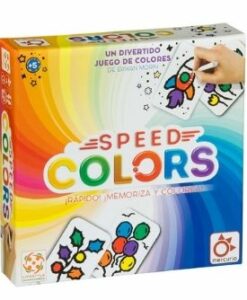
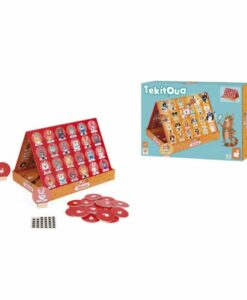
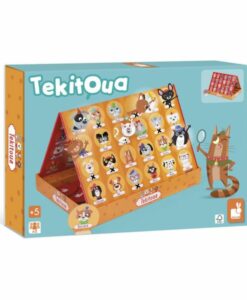
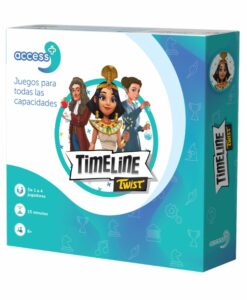
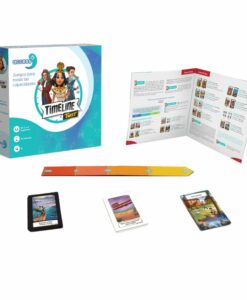
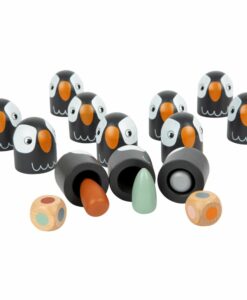
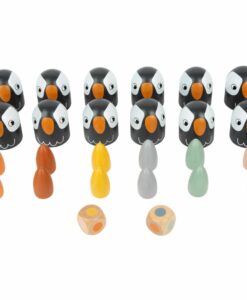
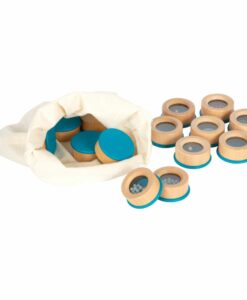

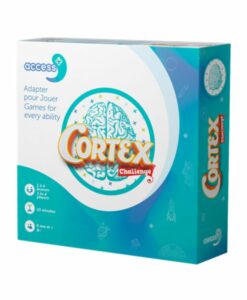
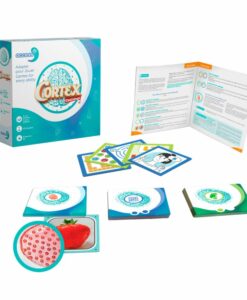
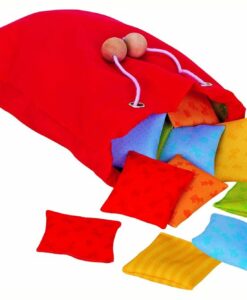
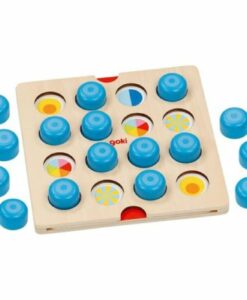
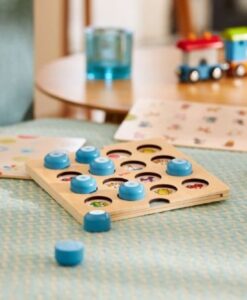
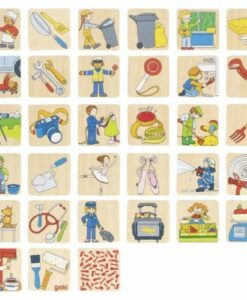
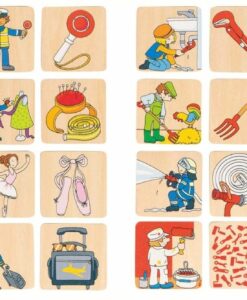
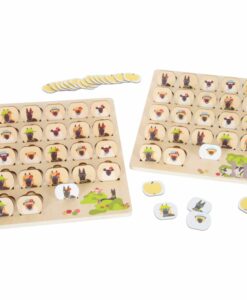
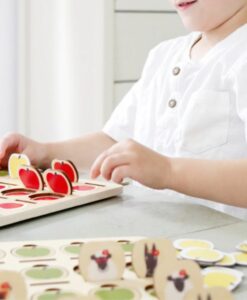
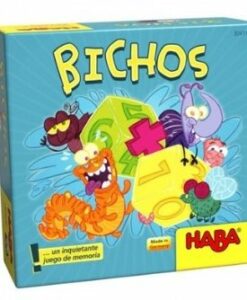
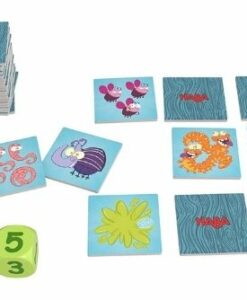
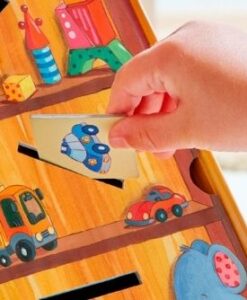
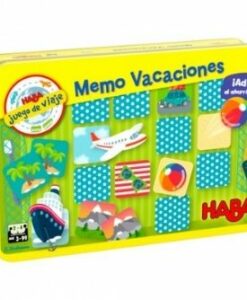
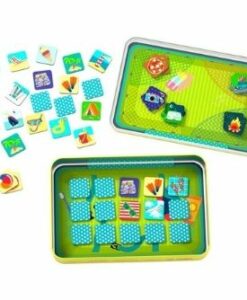
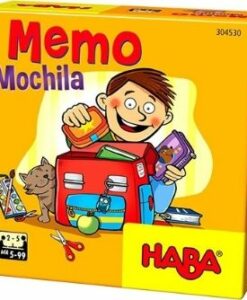
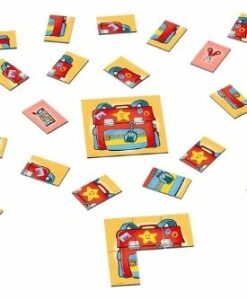
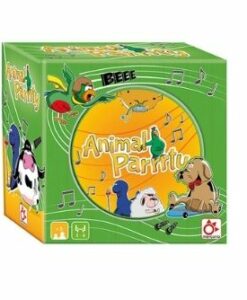

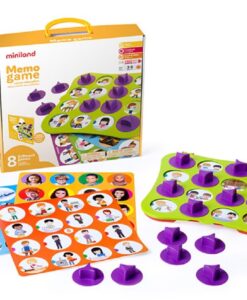
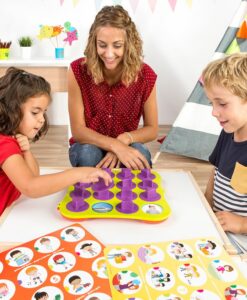
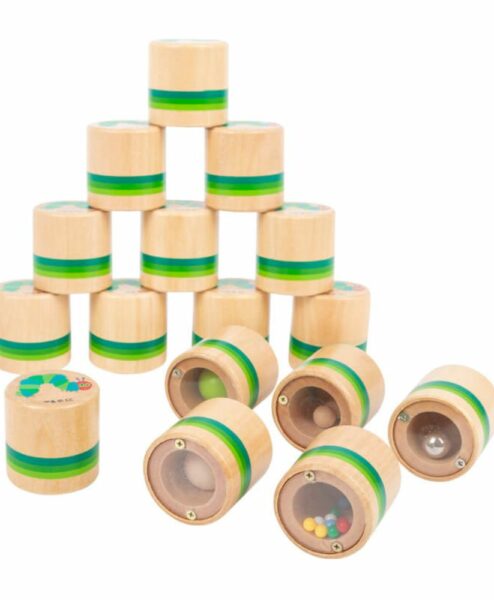
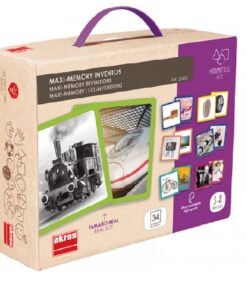


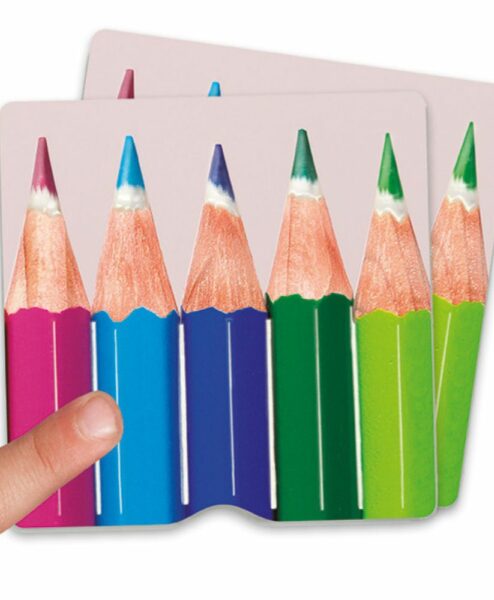


Memory games train one of the most important functions for learning: remembering in order to understand. Finding pairs, recalling sequences or spotting what has disappeared sets attention, working memory and concentration in motion — all through play.
At logopedicum we gather memory games for all ages: classic matching games (memory), visual, auditory and tactile memory games, and level-based sequence challenges. Useful resources for children, for the classroom and also for the cognitive training of older adults.
They are part of our games by game type. If you are looking for material by area of development, visit memory and attention.
What memory games work on
There is more than one kind of memory: visual, auditory, tactile and working memory, and all can be trained. Memory games activate sustained attention, concentration and the ability to retain and retrieve information — skills that underpin learning, language and autonomy. Because it is a game, the child (or adult) practises with motivation and no apparent effort.
Types of memory games you will find
A selection to train every kind of memory:
- Matching games (memory) for visual memory and attention.
- Auditory and sound memory games for sound discrimination and recall.
- Tactile memory games to recognise textures and shapes without looking.
- Sequence and series challenges by level for working memory.
Memory games for children, classroom and seniors
For children, they are an ideal way to work on attention and memory playfully. In the classroom, they energise group cognitive work. And in speech therapy, occupational therapy and senior stimulation, they help keep memory and attention active. Combine them with attention and concentration games and logic and math games for complete cognitive training.
Frequently asked questions about memory games
What are memory games?
They are games that train the ability to retain and retrieve information: pairs (memory), sequences, sounds or textures. They work on visual, auditory, tactile and working memory, along with attention and concentration.
From what age can they be used?
There are options from ages 2-3 (simple pairs with few cards) to more complex versions for older children, adults and seniors. The key is to adjust the number of items and the difficulty to each person.
Are memory games useful for older adults?
Yes: training memory and attention through play is a common resource in the cognitive stimulation of older adults. It helps to choose clear formats with good contrast and easy-to-handle pieces.