




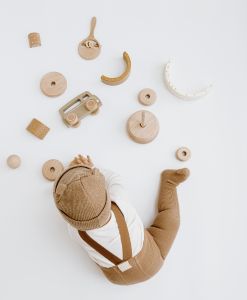


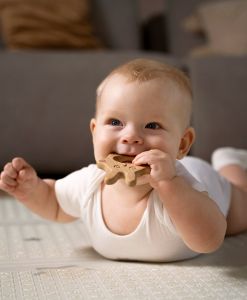
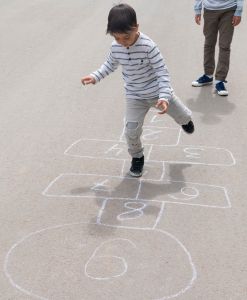
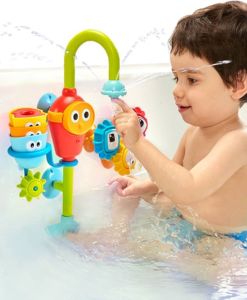
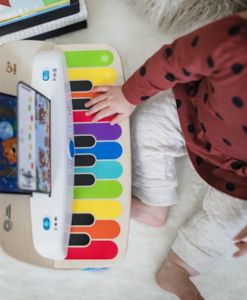


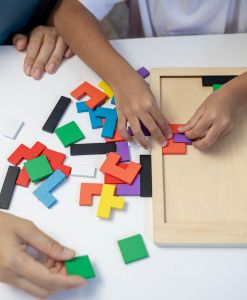
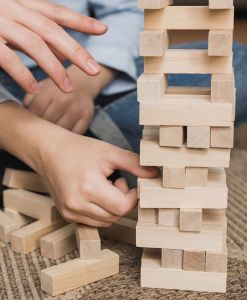
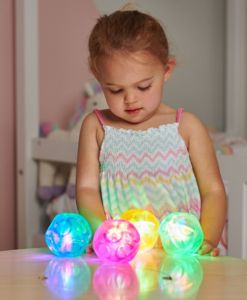
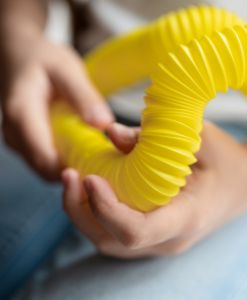
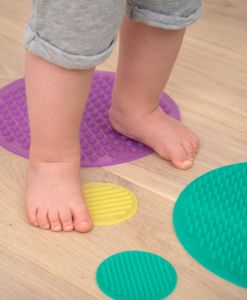
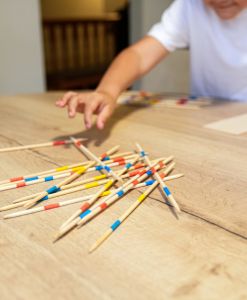
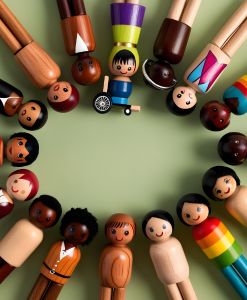
Not all toys do the same thing. A board game trains turn-taking and attention; a musical toy awakens hearing; a soft toy accompanies emotions. Browsing by type of toy is the fastest way to find the specific object you are looking for.
At logopedicum we organise the catalogue by type of toy: board games, musical toys, dolls and soft toys, construction and manipulation, storytellers, bath, outdoor, travel, teethers and rattles, inclusive toys and more. All selected with a therapeutic and educational eye.
It is part of educational games and toys. If you prefer to search by the way of playing rather than the object, go to type of play.
How to choose by type of toy
Browsing by type of toy works when you already know which object you want: a construction set, an instrument, a soft toy, a board game for Friday's session. It is the direct route. If instead you start from a goal (language, motor skills, attention), it is better to enter through type of play, where the catalogue is ordered by what each option develops.
The types of toy in our catalogue
- Board games: turn-taking, attention, language and shared play.
- Musical toys: instruments and percussion for auditory stimulation.
- Dolls and soft toys: attachment, symbolic play and emotional work.
- Construction and manipulation, storytellers, bath, outdoor and travel toys.
- Teethers and rattles for the youngest, plus inclusive and adapted toys.
Toys chosen with professional criteria
Behind every category there is a selection made for speech therapists, occupational therapists, teachers and families: safe, durable materials with a purpose. We are not after the biggest catalogue — we want every toy to have a reason to be here and a clear use at home, in the classroom or in therapy.
Frequently asked questions about types of toys
What types of educational toys are there?
The main ones are: board games, musical toys, dolls and soft toys, construction and manipulation, storytellers, bath, outdoor and travel toys, teethers and rattles, light-up, sensory, anti-stress and inclusive toys. Each type answers a different need.
Is it better to search by type of toy or type of play?
By type of toy if you already know which object you want (a puzzle, an instrument, a soft toy). By type of play if you start from a goal to work on (language, motor skills, attention, emotions). Both routes lead to the same catalogue from different angles.
How do I know if a toy suits the child's age?
Every product page lists the recommended age and the skill it works on. You can also filter the whole catalogue by age range, from 0-6 months to 9-12 years, and even options for adults and for family play.