




Vibration


Rerek – Vibrating orofacial stimulator
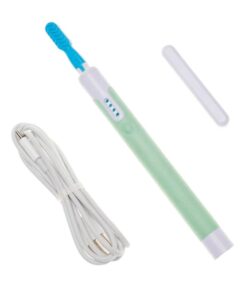
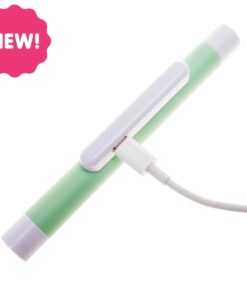


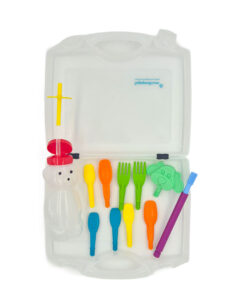
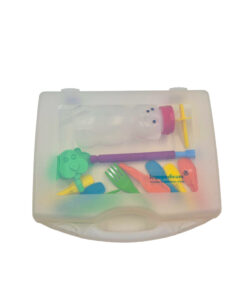
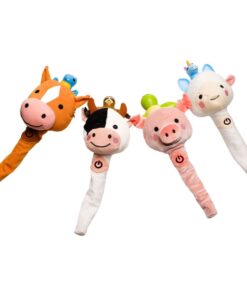
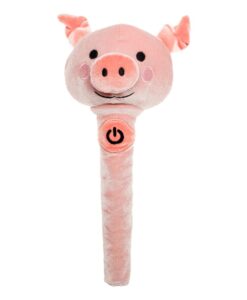
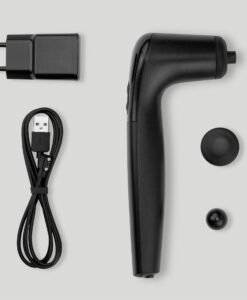
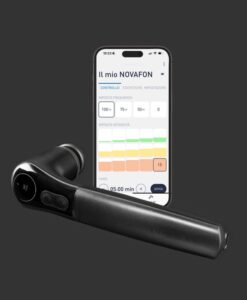
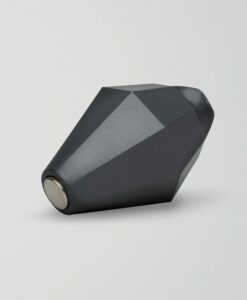
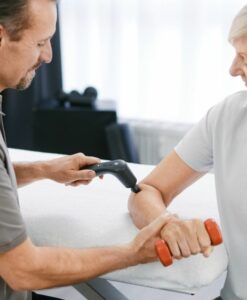
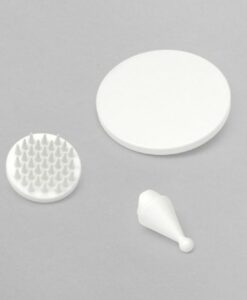
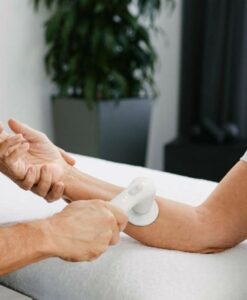
Novafon Power 2
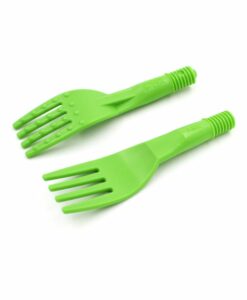
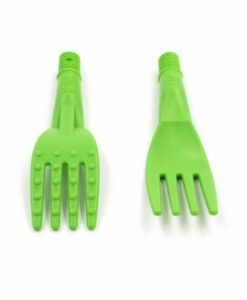
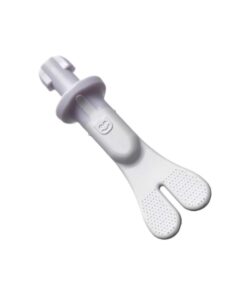
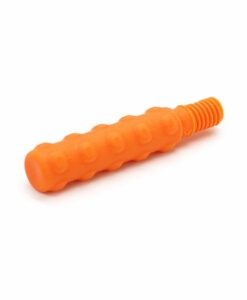
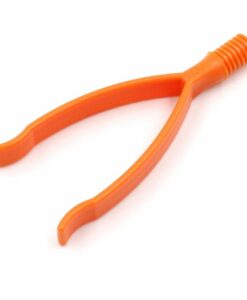
Z-Vibe fork tip
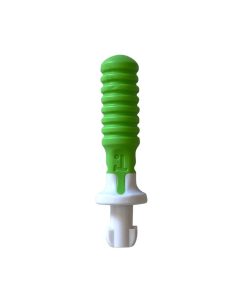
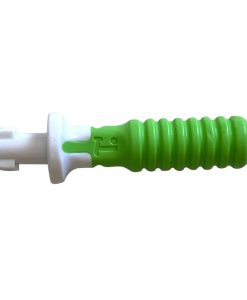
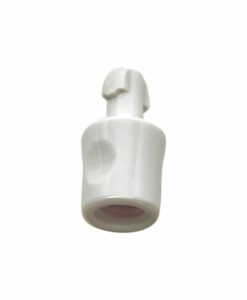
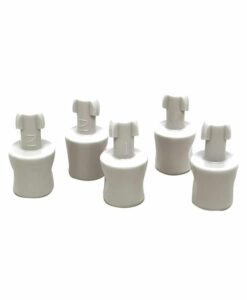
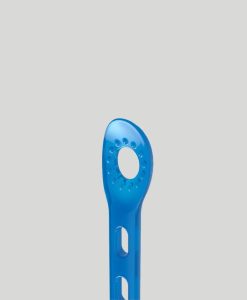
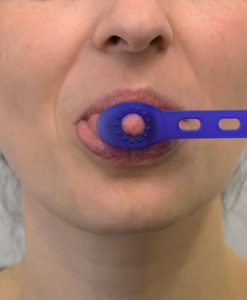
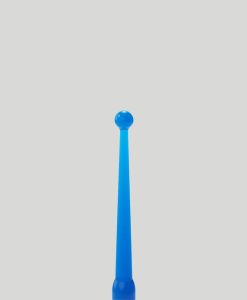
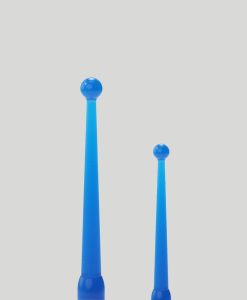
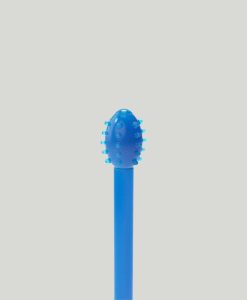
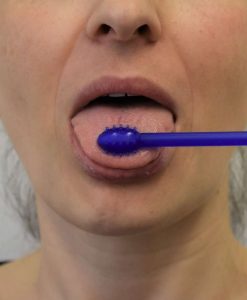
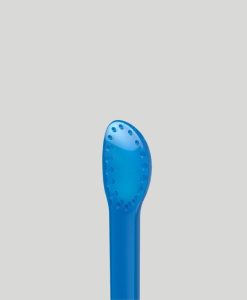
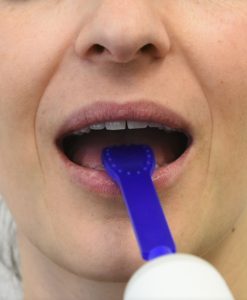
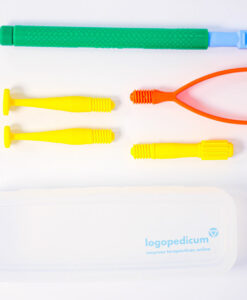
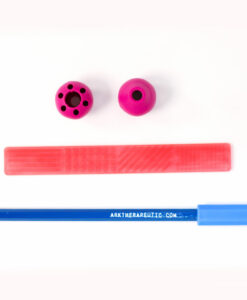
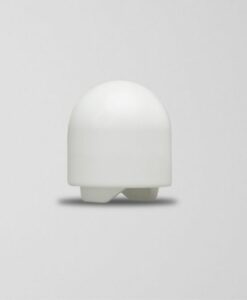
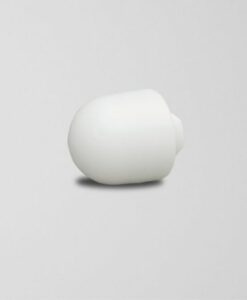
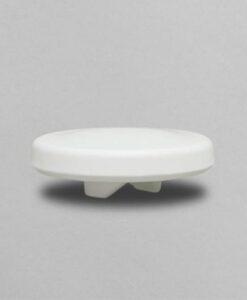
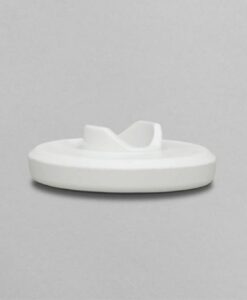
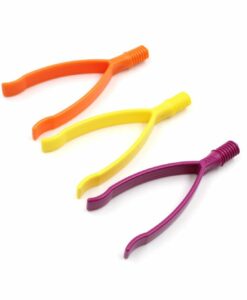
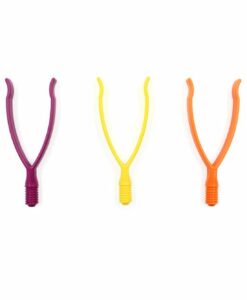
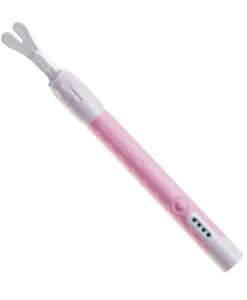
Lip Toner – Squeezer tip
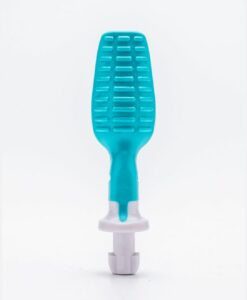
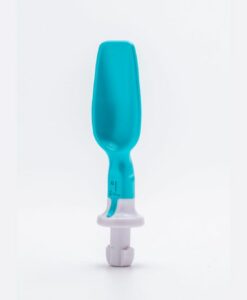
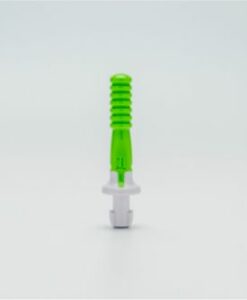
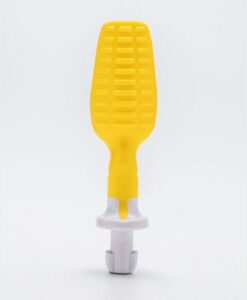
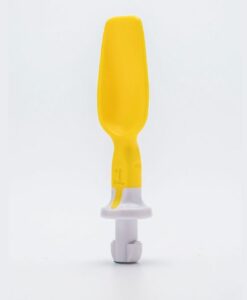
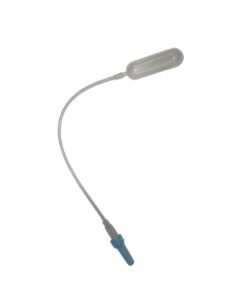
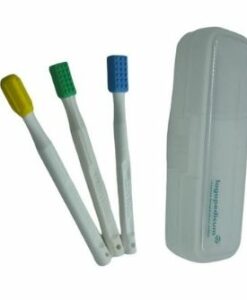
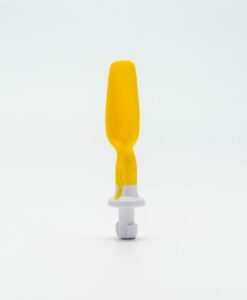
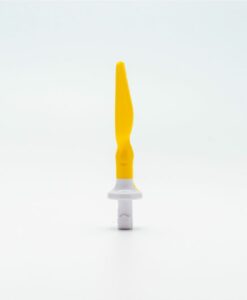
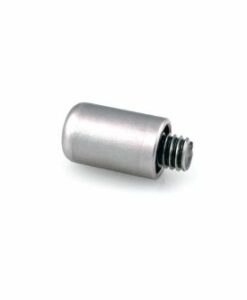

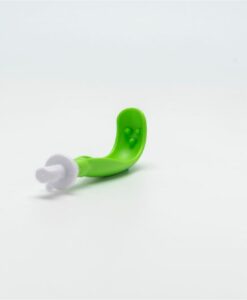
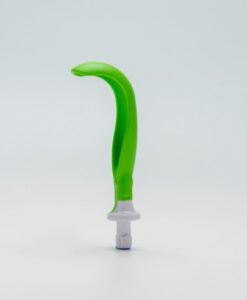
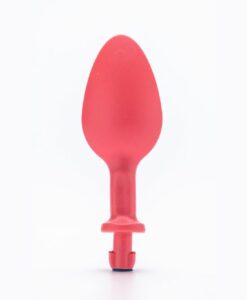
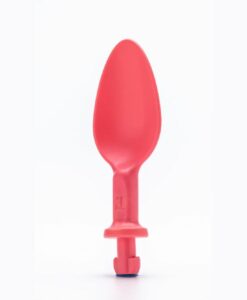
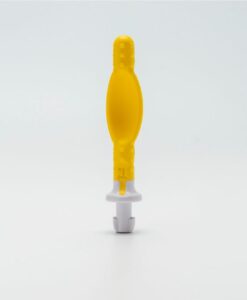

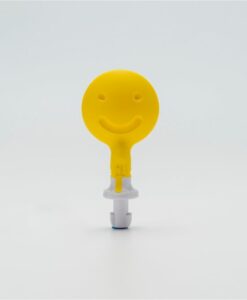
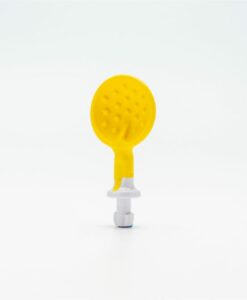
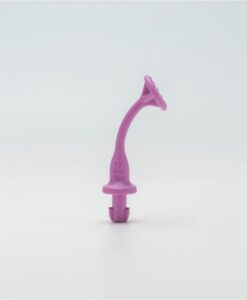
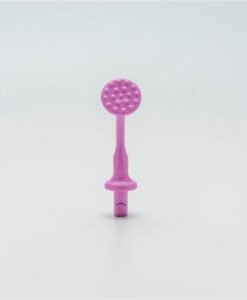
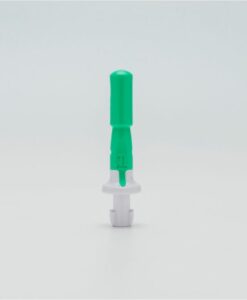

A vibrating oral motor tool does not replace exercise — it prepares for it. Vibration applied to the lips, tongue, cheeks or floor of the mouth wakes up proprioception in an area the patient often cannot feel well, and the active work that follows pays off more.
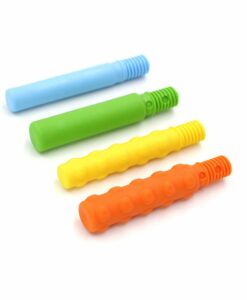
These are the vibrating devices speech therapists use, with their interchangeable tips: Rerek, with dedicated working tips; Novafon, with its rehabilitation range — spoon, olive, flat disc, pellet; Sensi by Talk Tools, rechargeable; and the Z-Vibe packs, which have their own section.
The choice comes down to three things: the area you want to stimulate, whether you need continuous or intermittent vibration, and whether the therapist or the patient will be holding it.
It pairs well with chewing and with lips, tongue and more. For sustained input between sessions, see neuromuscular taping.
What vibration does in the session
Vibration does three things at once, which is why it has become so common.
It wakes up sensation. In a child with low tone or an adult with neurological sequelae, the mouth can be an area with poor sensory feedback. Vibration restores that feedback and lets the patient locate their own tongue.
It normalises tone. Applied briefly and intermittently it activates; applied in a sustained way it relaxes. The same tool serves two opposite aims depending on how it is used.
It breaks down oral defensiveness. With hypersensitive patients, starting outside — cheek, jaw — and moving in gradually allows access to the mouth without triggering refusal.
Choosing the tip
Small rounded tips
For precise points: frenulum, tongue tip, corners of the mouth. These are the precision-work tips.
Large textured tips
For broad surfaces — cheeks, jaw — and for first contact with defensive patients.
Spoon and feeding tips
They bring vibration into mealtimes. They are the way into swallowing and feeding work.
Tongue elevation tips
Designed to place the tongue against the palate and work the resting point, the basis of a mature swallow.
Common questions
How long is vibration applied for?
For activation, short bursts of a few seconds per area, repeated. For relaxation, longer continuous applications. Always below the patient's comfort threshold.
Can it be used with infants?
With the right tools and professional judgement, yes. There are tips and intensities designed for infants, particularly for sucking and feeding work.