




Exploration and diagnosis

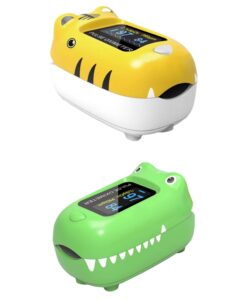
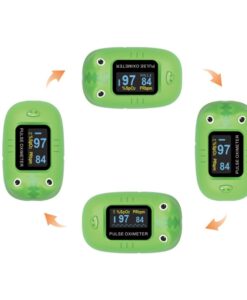
Oxy-0 paediatric pulse oximeter – tiger or crocodile
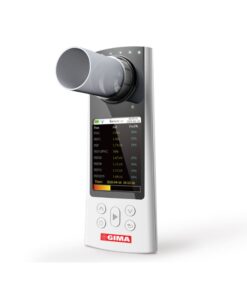
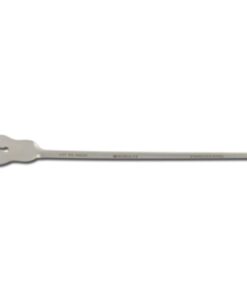

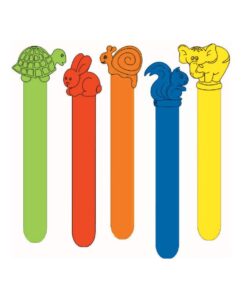


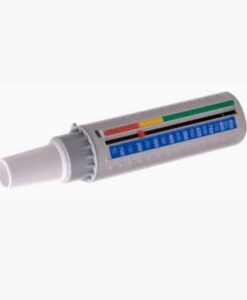
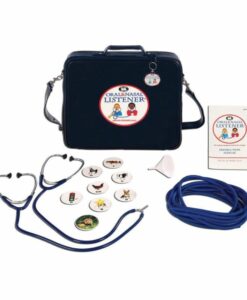
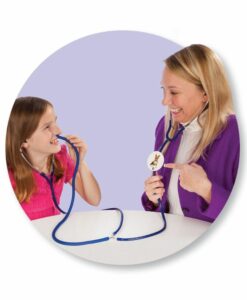


Linterna infantil de silicona


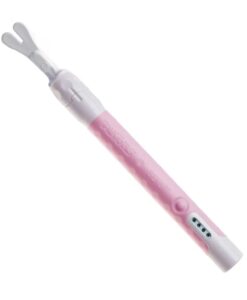





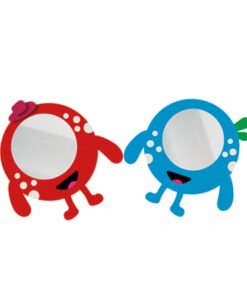
Funny therapeutic mirror


Organic flavored depressors


Smooth or textured tongue depressor – Sensi Talk Tools

Biodegradable colored cotton swabs


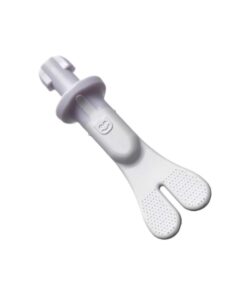
Z-Vibe Tongue Depressor Tip – smooth or textured


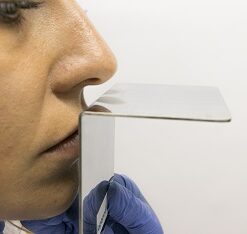
Oronasal Plate Adapted by Susanibar (POAS)


Without a baseline there is no way to show the intervention worked. This is the equipment that turns a clinical impression into a figure you can repeat six weeks later.
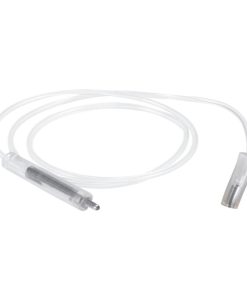
Measurement. Mini digital calipers for ranges and distances, tongue and lip pressure biofeedback, and IOPI connection tubing for measuring tongue pressure in kilopascals.
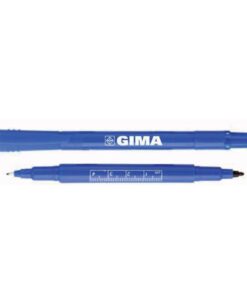
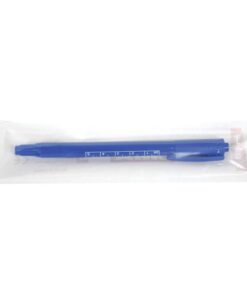
Marking and recording. Dermographic pencils and surgical skin markers for placing reference points on the face, plus the caliper-and-pencil kit that combines both.
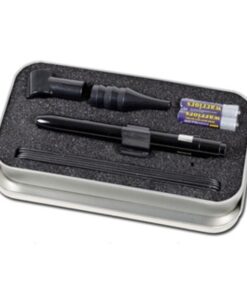
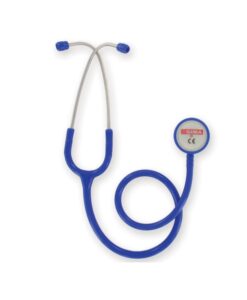
Visualisation. LED examination lights, silicone paediatric torches, therapy mirrors, backlit depressors with refills and flavoured BIO depressors for oral entry.
Anatomical models. Webber Whopper Mouth giant typodont, small mouth model, human ear model and a wooden dentist case for explaining what is happening to patient and family.
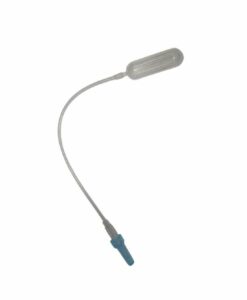
Specific instruments. Susanibar Adapted Oronasal Plate (POAS), oral stereognosis kit and infant tongue elevator.
Protection. Extra-thin coloured nitrile gloves and sample packs for sizing.
Once assessed, intervention starts wherever the breakdown is: lips, tongue and more for praxis, chewing for the jaw, breathing for the respiratory pattern and swallowing and feeding for the swallow.
What a myofunctional assessment covers
Structures at rest
Tongue position, lip seal, mandibular position, facial symmetry and breathing type. Observed before you ask for anything: the moment a patient knows they are being watched, they correct.
Mobility
Range and precision of tongue, lip, jaw and velum movement. This is where calipers turn "reduced tongue mobility" into a figure in millimetres.
Tone and strength
IOPI and pressure biofeedback give an objective value for tongue and lip strength, comparable against normative data and against the patient's own baseline weeks later.
Sensation
Oral stereognosis — recognising shapes in the mouth without seeing them — probes sensory information, often the hidden reason a praxis will not come.
Function
Breathing, sucking, chewing, swallowing and speech, observed in real situations. The most informative part, and the one most often skipped.
Why measuring changes the intervention
An assessment without numbers depends on the therapist's memory. With dermographic marking and calipers, the week 1 and week 8 measurements are comparable even if someone else takes them.
That has three effects: you can dose load with judgement, you can demonstrate progress to the family — which is what sustains adherence — and you can decide when to stop.
Anatomical models are not decoration
Explaining where the tongue should rest in words is hard. With a typodont in hand, the patient sees it and points to it.
They work particularly well with children, and even better with families: understanding why the palate has that shape changes willingness to do the home exercises.
Common questions
Do you need instruments to assess?
You can assess with observation and a protocol, but without instruments the assessment is not reproducible. The difference is being able to compare in two months' time.
How is assessment equipment disinfected?
Anything entering the mouth needs disinfection between patients or must be single-use. Hygiene and disinfection has the trays, solutions and wipes.