




6 – 9 years



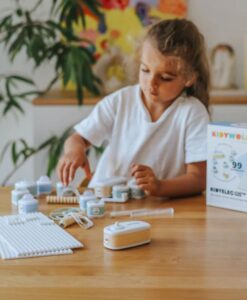
Kidywolf Kidyelec electric kit for kids, starter or advanced
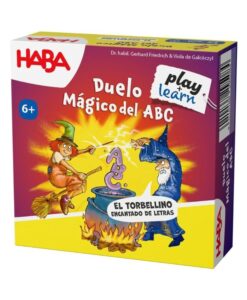
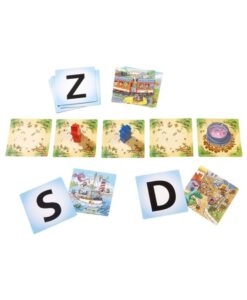

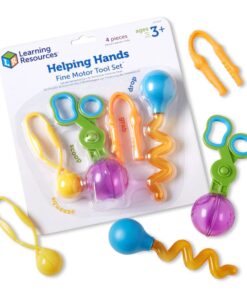


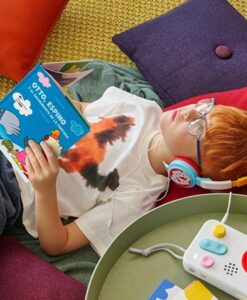
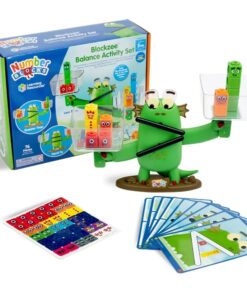
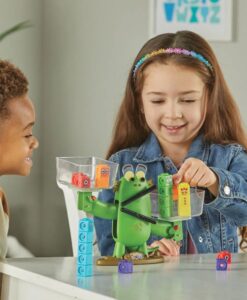
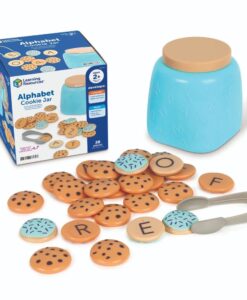

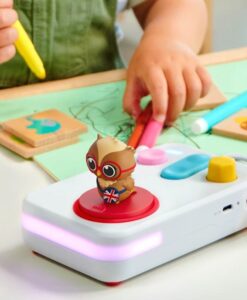
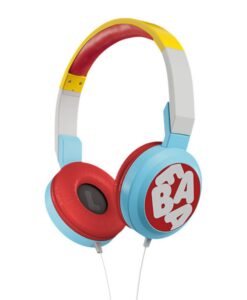



Protective case for FABA storyteller
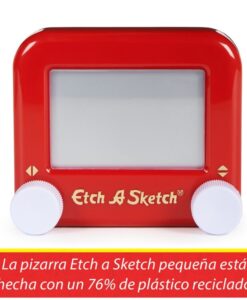


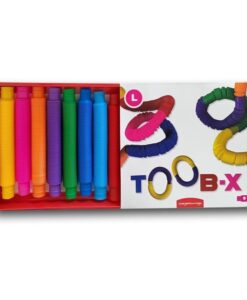



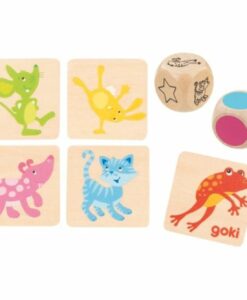
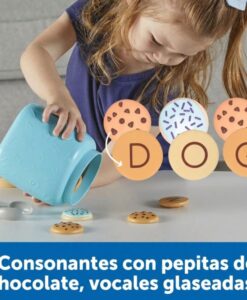
Juego de lenguaje oral – /S/ Cube


Juego de conciencia fonológica – Fonocube













Something happens at six that makes buying much harder: the child can now spot a toy that treats them as younger than they are. They clock it in three seconds, try it out of politeness and never come back. At the same time they are not yet in screen territory, so there is a narrow band where getting it right is genuinely difficult.
What works in this band shares one feature: it sets a real challenge and you can lose. Here you will find oral language and phonological awareness games, hands-on maths, structured construction, drawing and regulation material.
Part of toys by age. Before: 3 to 6. After: 9 to 12.
What changes between 6 and 9
Three things appear in this band that were not there before, and they explain why the four-year-old's toy suddenly stops working:
They can handle losing. Roughly. Before six, losing breaks the game; from here it starts being part of the fun. That opens up genuinely competitive board games.
They read enough to play alone. Not enough to enjoy a novel, but enough to read an instruction card. They stop needing an adult as interpreter, which changes entirely what can be left in their room.
They care about doing it well. Their own standards appear, and with them frustration: they want the drawing to look right, the tower to stay up. A toy that doesn't reward practice is outgrown fast.
The classic buying mistake at this age
Buying by theme rather than by challenge. The child asks for something with dinosaurs, so you buy a dinosaur toy that proposes nothing; it lasts an afternoon. The same child spends weeks on a multiplication game with no dinosaurs anywhere, because what holds them is the challenge, not the wrapping.
What to look for
- Board games of 15-30 minutes. With rules that fit on one page. Two-hour games get abandoned halfway and never come out again.
- Hands-on maths material. Maths turns abstract abruptly at school around now, and having the number in your hand saves a lot of children from deciding they are "bad at it".
- Language games with a challenge. Rhyme, phonological awareness, vocabulary. They work well here because children can now compete with an adult on equal terms.
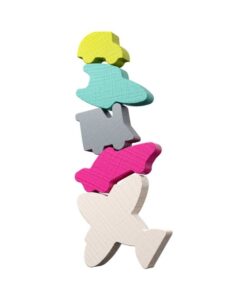
- Construction with instructions. Dens, structures, kits. Free play gives way to the satisfaction of following a plan and having it work.
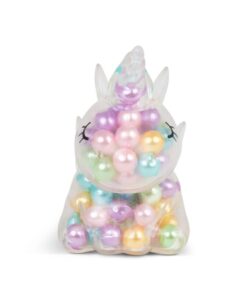
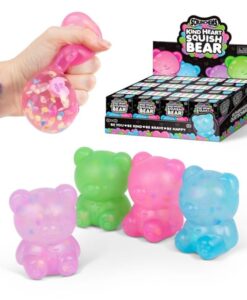
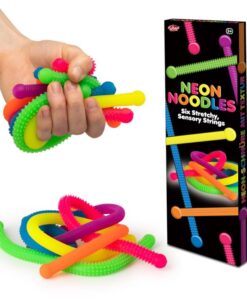
- Something for the hands while listening. Many children this age attend better with their hands busy. That is regulation, not distraction.
Frequently asked questions
What do you buy a 6 year old who has everything?
Something they can get wrong. At this age toys that are only looked at run out quickly; ones that set a challenge with a real chance of failing get picked up for months. And if it can be played with someone else, better still.
Are educational toys still worthwhile at 7 or 8?
Yes, as long as they don't look it. In this band children reject anything that reads as homework in disguise. A multiplication game works if it is a real game — turns, luck, a chance of winning; if it is a worksheet in colour, they spot it.
How long is their attention span?
Twenty to forty minutes on something that interests them, considerably longer with another person playing. That is why short board games outperform long ones: they fit the real attention span instead of fighting it.
What if they can't stand losing?
Very common still at six, and it usually resolves by eight. It helps to start with high-luck games, where losing doesn't mean being worse, and add strategy later. And for the adult to genuinely lose sometimes, without acting: children can tell when they are being let win.