




Cause and effect




Sensory Light Cubes – Character Set





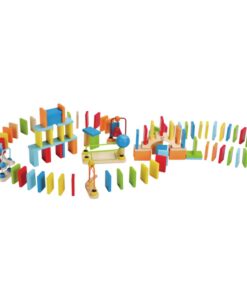
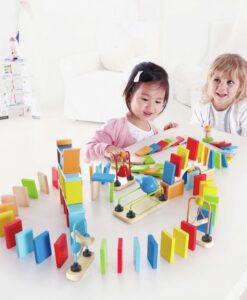
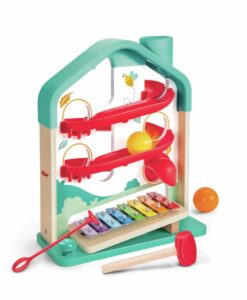
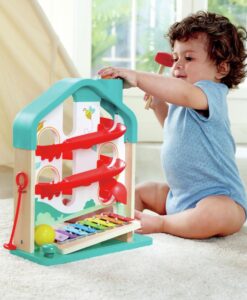


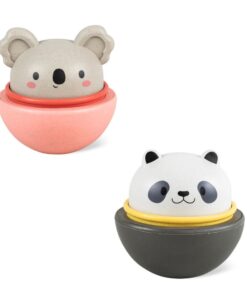
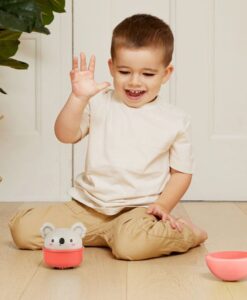
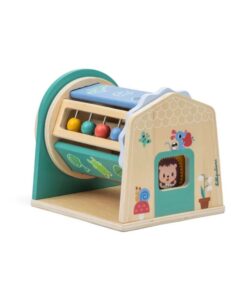
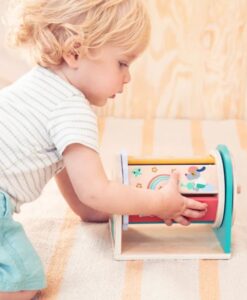
Rocking Rollers – Panda y Koala
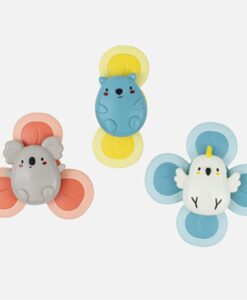
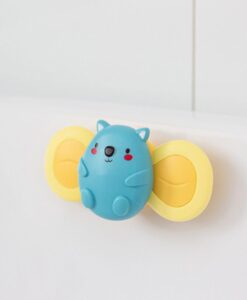
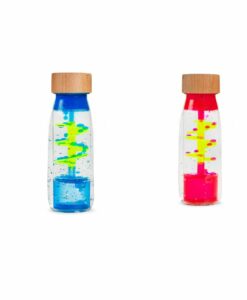
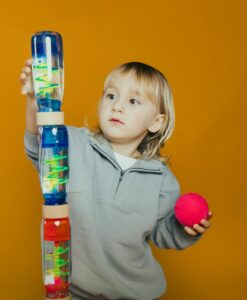
Botella sensorial – Move Bottle Spiral
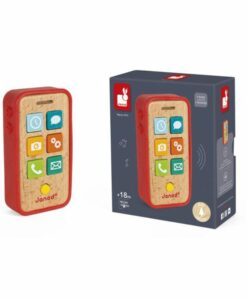
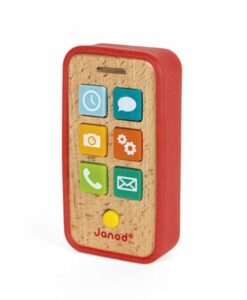
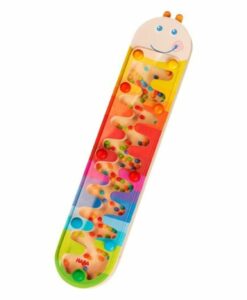
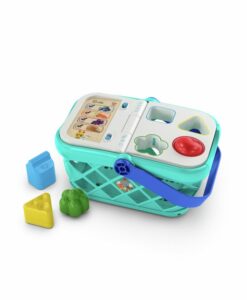
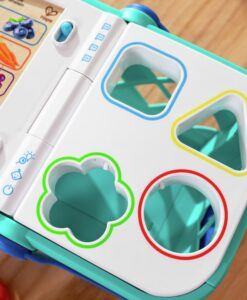
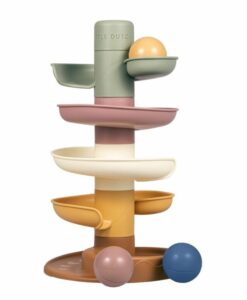
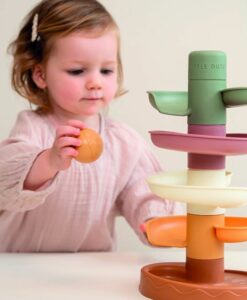
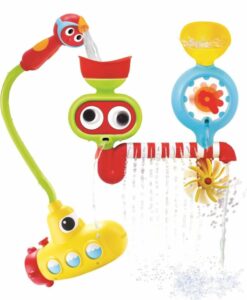
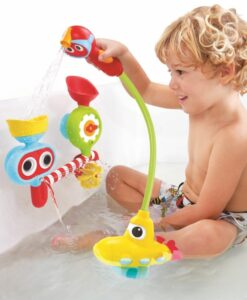
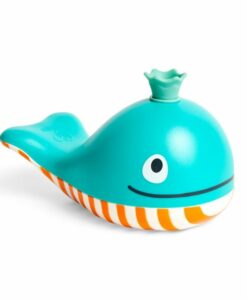
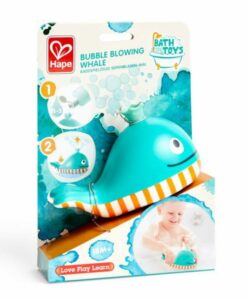
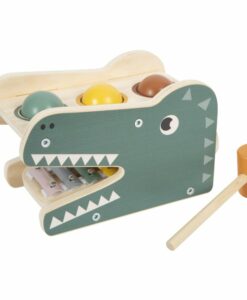
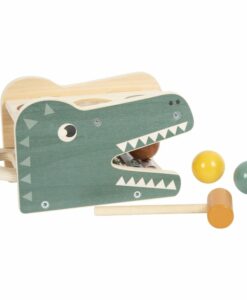
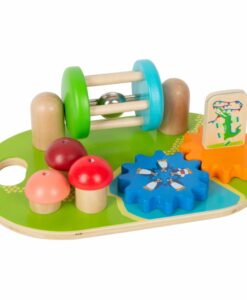
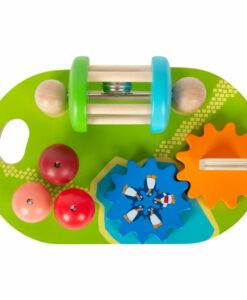

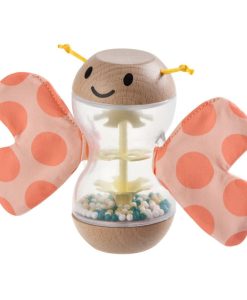
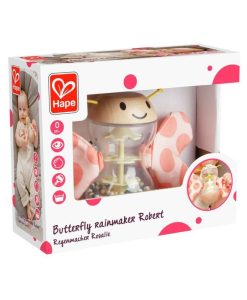
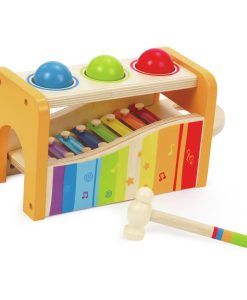


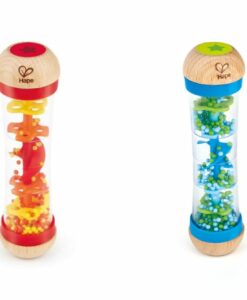
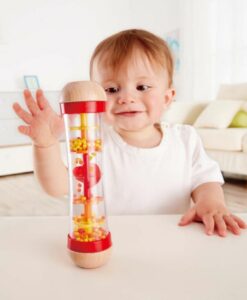
Rain stick – Drop counter
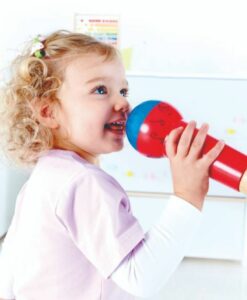
There’s a specific moment in a baby’s development when they discover something enormous: if I do this, that happens. It’s the beginning of intention, and everything else follows from it — requesting, pointing, communicating — because communicating is exactly that: doing something so that something happens.
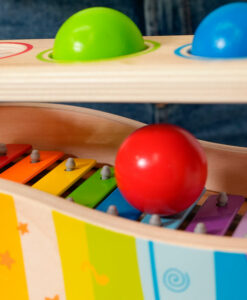
Here you’ll find toys built on that logic: object permanence boxes, ball runs, sound toys that respond to touch, pull-back cars, dynamic dominoes and activity rollers.
It is part of game type and connects with fine motor skills.
Why cause and effect underpins communication
A baby who discovers that hitting a drum makes a sound is discovering that they can cause changes in the world. That's literally the prerequisite for intentional communication: before you can request something, you have to grasp that doing something gets you something.
Which is why these toys are front-line material in early intervention. With children who don't yet request, don't point, or don't look at an adult to get something, a cause and effect toy creates the perfect situation: the adult controls the action — the ball, the string, the button — and waits. The child wants it to happen again and has to do something: look, vocalise, point, reach. That's a request.
The strategy is sometimes called "gentle sabotage" and it works. The key is the wait: if the adult repeats it before the child asks, the opportunity is lost.
The object permanence box, explained
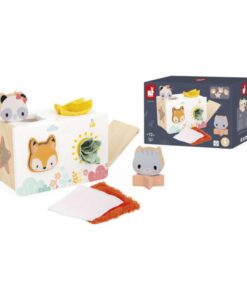
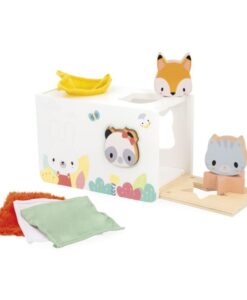
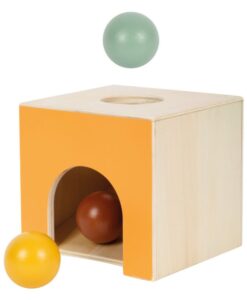
It looks like the simplest toy in the world: post the ball through a hole, it disappears, and it rolls out onto a tray. And it works one of the most important ideas of the first year.
Object permanence is understanding that things continue to exist when out of sight. A six-month-old literally believes that what disappears stops existing; around eight to ten months they begin to search. That understanding is what later allows a child to tolerate a parent leaving the room, and it's also what underpins language: a word stands for something that isn't in front of you.
Cause and effect in disability and complex needs
For children with severe motor disability or complex needs, cause and effect toys are frequently the first route to controlling their environment.
A child who can neither move nor manipulate can, with an adapted toy or a switch, make something happen. That experience — "I made that happen" — is the foundation of personal agency and the starting point for any later augmentative communication system.
For this profile, what matters most is a very clear, immediate response and low-effort activation. The delay between action and effect must be minimal: if it lags, the relationship isn't learned.
Frequently asked questions about cause and effect toys
What is a cause and effect toy?
Any toy where a child's action produces an immediate, perceptible consequence: press and it sounds, release and it rolls, post it and it comes out the other side. The essential thing is that the link between action and result is clear and immediate.
What age are they for?
From 4-6 months with the simplest ones, and most intensively between 8 and 18 months. For children with disabilities they're used at any age, because the function is about access rather than developmental stage.
What is an object permanence box for?
To work on object permanence: understanding that something still exists when it can't be seen. It also builds hand-eye coordination and anticipation, and it's a classic Montessori material for around 8-12 months.
Are they useful for children with disabilities?
Yes, and they're especially valuable. With severe motor disability, a switch-operated cause and effect toy can be the first experience of controlling the environment, and it's the usual precursor to augmentative communication work.