




Musical toys

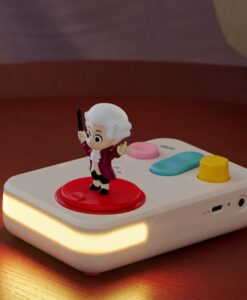






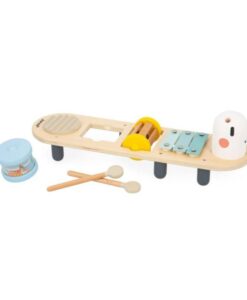
Tambú 8″ – 11 notas


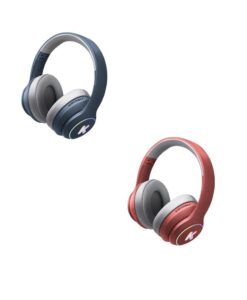
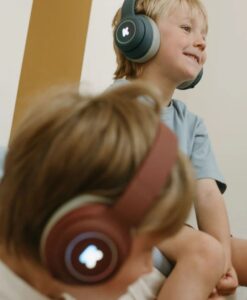
Auriculares con bluetooth – K-EARS


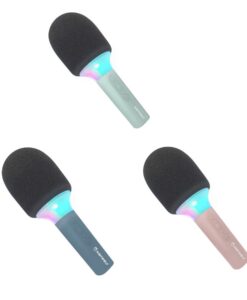
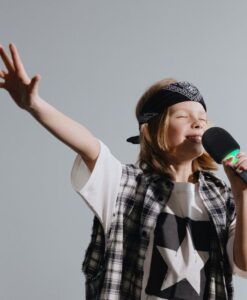
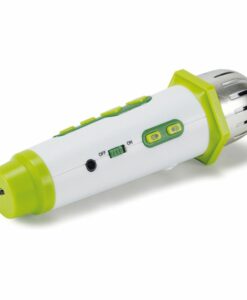
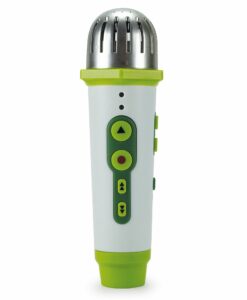
Micrófono con bluetooth – KidyMic
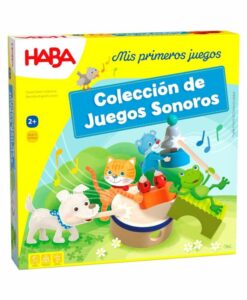
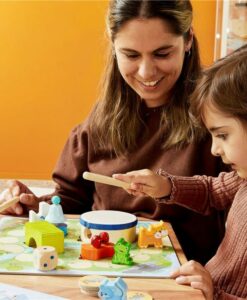
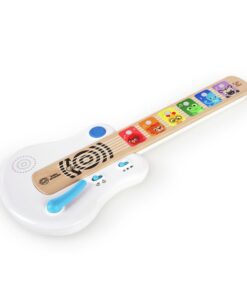
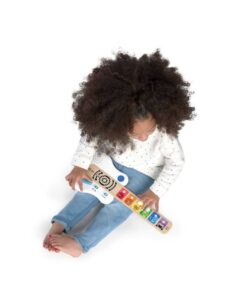


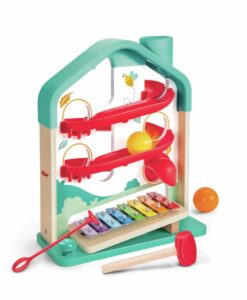
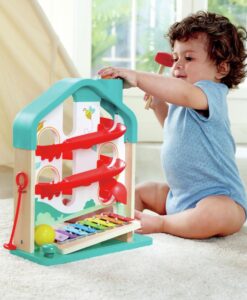
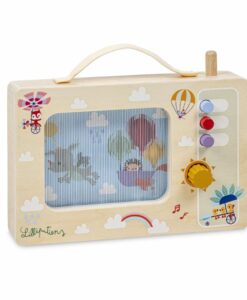
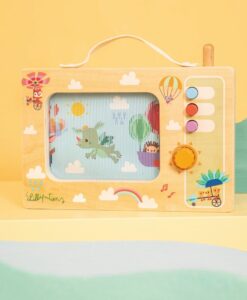
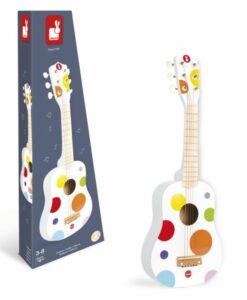
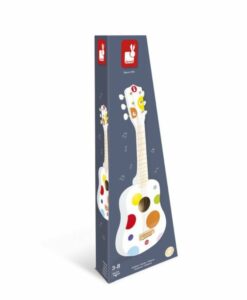
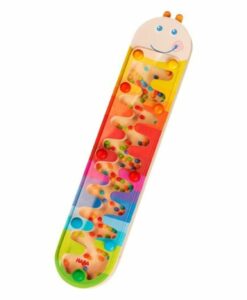
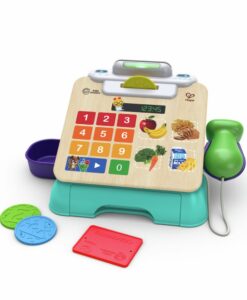
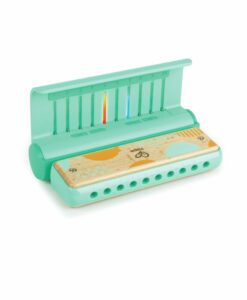
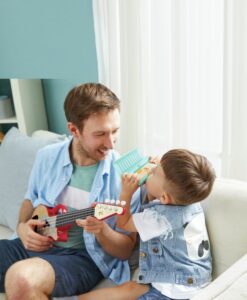
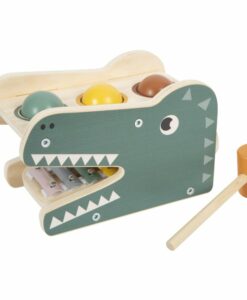
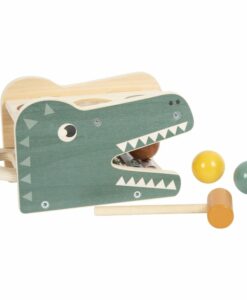
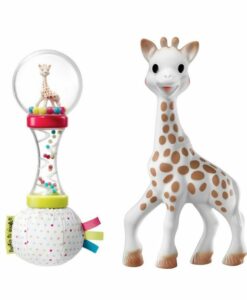
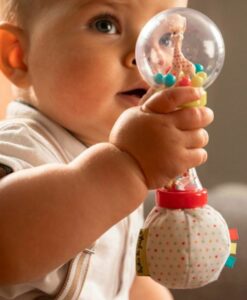
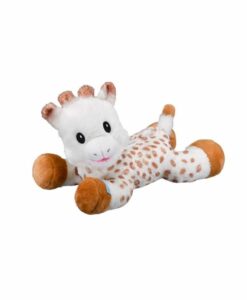
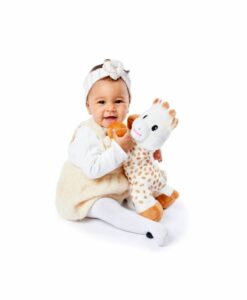
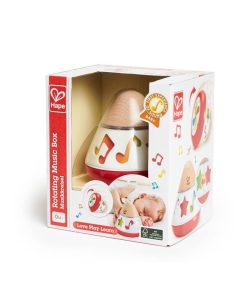
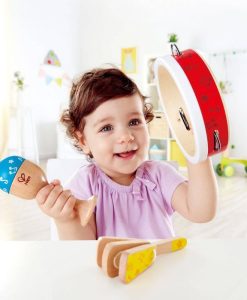
Music comes before words. Long before speaking, a baby already recognises rhythms, hums and responds to songs. That is why a musical toy is not just entertainment: it is one of the most direct routes to work on listening, rhythm and, through them, language.
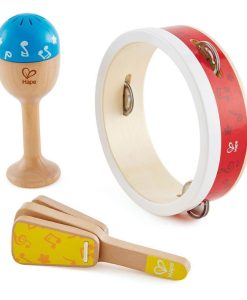
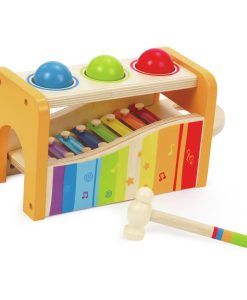
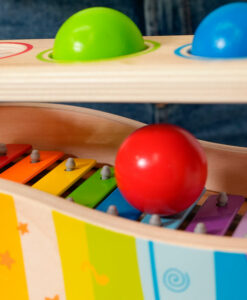
At logopedicum we gather musical toys and children’s instruments: percussion for first hands, wooden instruments, cause-and-effect sound toys, musical circuits and song collections. Safe materials that actually sound good — an out-of-tune instrument hooks nobody.
They are part of our toys by type and pair with baby toys in the earliest stages.
Music and language: the link
Rhythm and speech share the same machinery: segmenting sounds, keeping time, anticipating what comes next. When a child follows a beat on a drum, they are training the very skill they need to split syllables. And repetitive songs are a speech-therapy classic because they invite children to complete, anticipate and produce language without pressure.
Which musical toys you will find
- Children's percussion: maracas, drums, tambourines and claves for beat and rhythm.
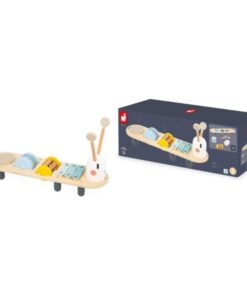
- Wooden instruments with real sound, to actually play rather than just press buttons.
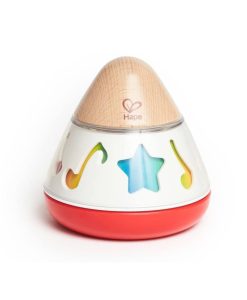
- Cause-and-effect sound toys, ideal for the youngest and for communicative intent.
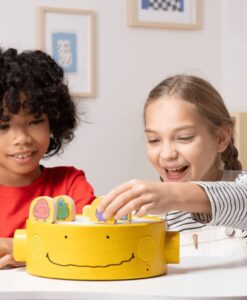
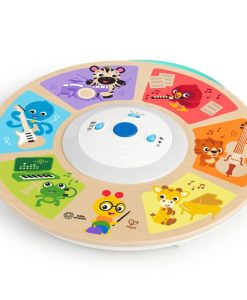
- Musical circuits and mobiles combining sound with visual tracking.
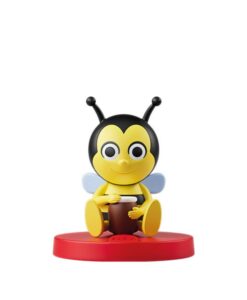
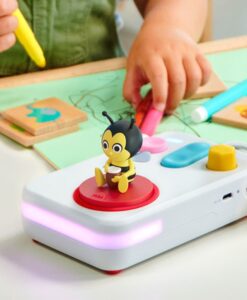
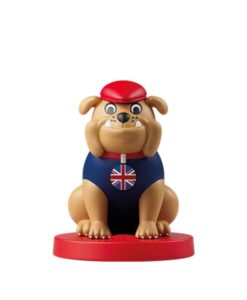
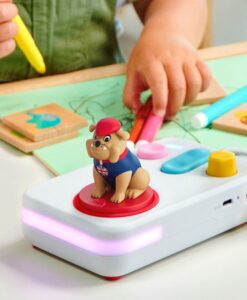
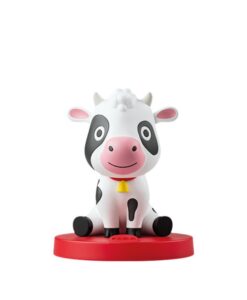
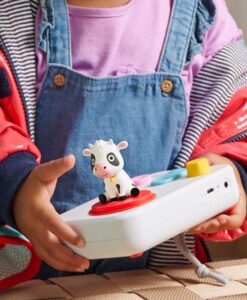
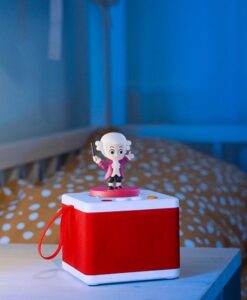
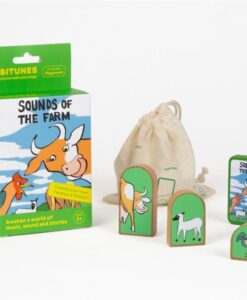
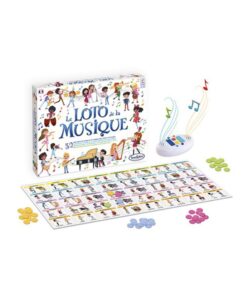
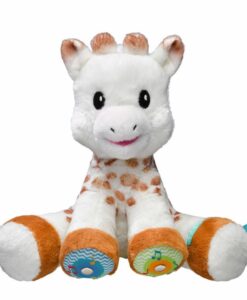
- Song collections and sound characters to listen, sing and learn languages.
For babies, the music room and speech therapy
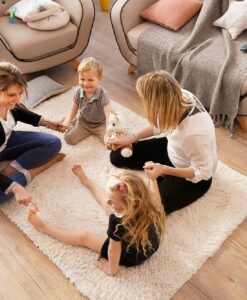
With babies, music captures attention and creates eye-to-eye connection. In the classroom, instruments enable group work with turns and listening. And in speech therapy and early intervention they are used for auditory discrimination, breathing (wind instruments), speech rhythm and communicative intent. A tambourine can produce more language than many worksheets.
Frequently asked questions about musical toys
From what age can musical toys be used?
From the first months with rattles and soft sounds; around age one, simple percussion such as maracas or a drum; and from age 3, instruments requiring more coordination such as xylophones or wind instruments.
How does music help language development?
Rhythm trains sound segmentation, auditory memory and anticipation — foundations of literacy and speech. Repetitive songs also invite children to complete phrases and produce language spontaneously.
Which instrument should we start with?
Percussion: maracas, drum or tambourine. They need no technique, give instant results and allow work on beat and turn-taking from a very early age. Xylophones can come next, and wind instruments later on.