




1 – 2 years

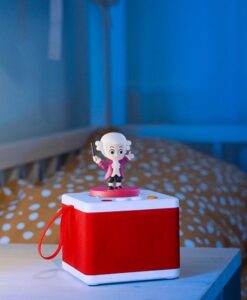
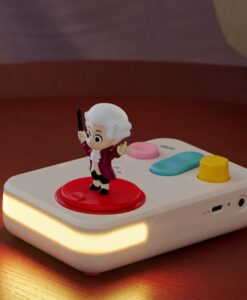

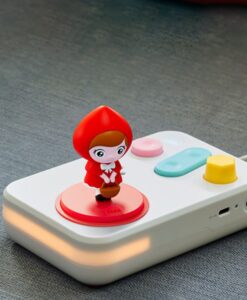
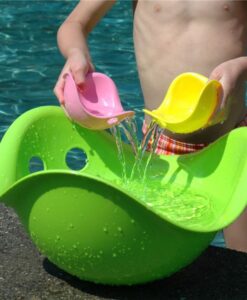

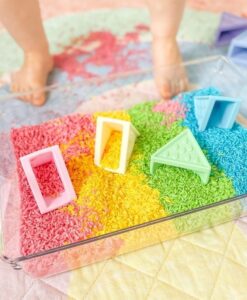

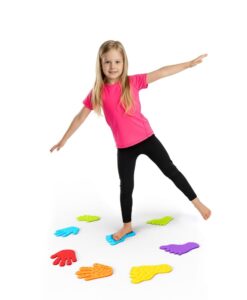
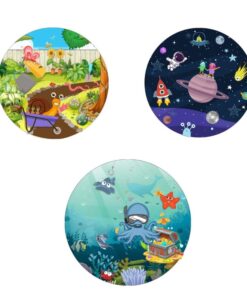
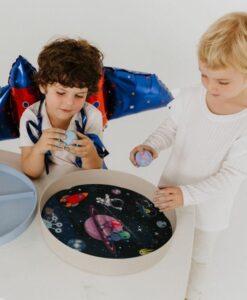
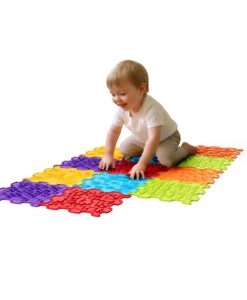
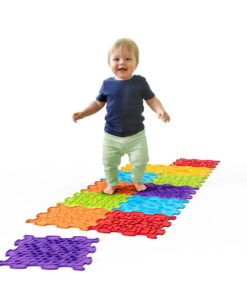
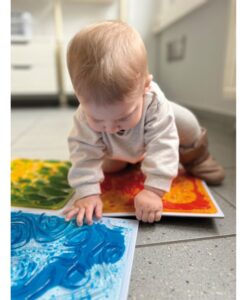
Sensory Base Mat – Exploration Tray

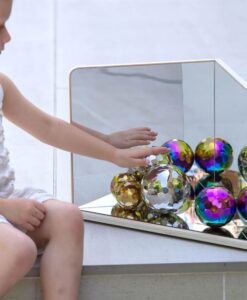
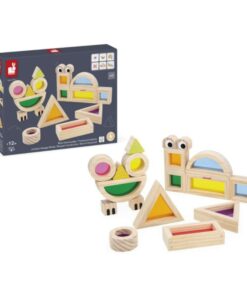
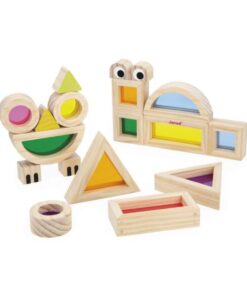


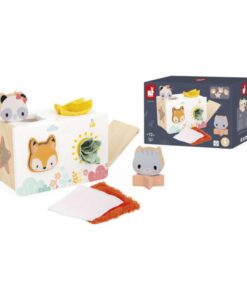
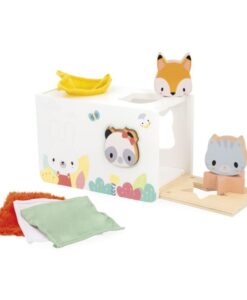


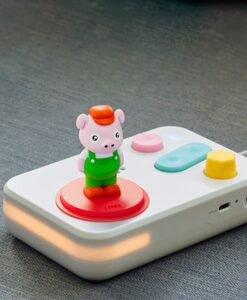
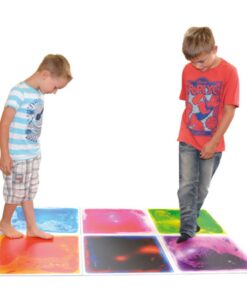
Sensory Light Cubes – Character Set


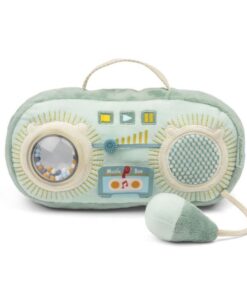
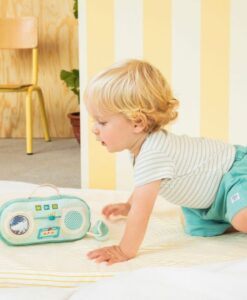
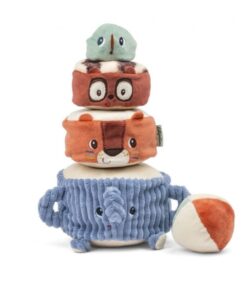
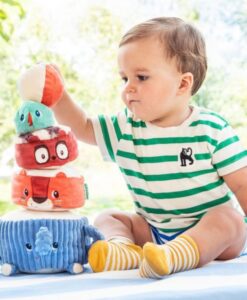
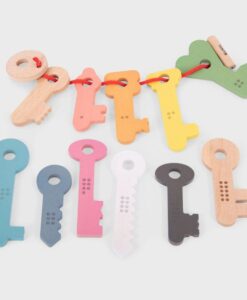
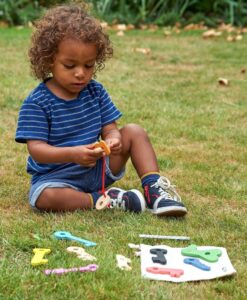
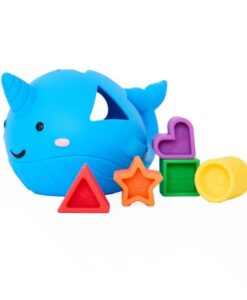
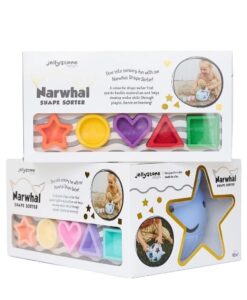
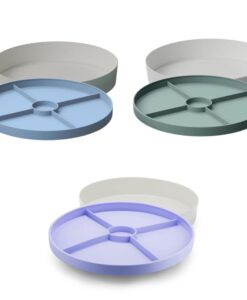
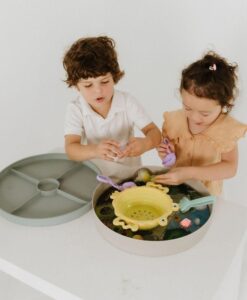
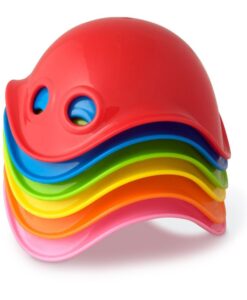
Silicone Sensory Tray – Play Tray
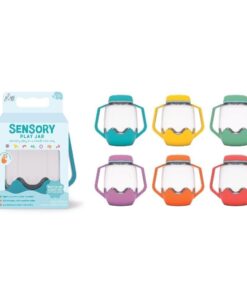

Jarra de luz sensorial
This is probably the year when most changes at once. The child starts walking, starts pointing and starts saying words — and all three are connected: walking gives them access to the world, pointing gives them a way to ask for it, and the word follows right behind.
Here you will find what accompanies that explosion: stackers, pull-along toys, books, sound characters and cause-and-effect toys.
Part of toys by age. Before: 6 to 12 months. Next: 2 to 3 years.
Pointing is what to watch for
One gesture predicts language development better than anything else at this age: pointing to share. Not pointing to request — that comes earlier and is simpler — but pointing at a dog in the street and turning to check whether you saw it too.
That gesture means the child understands that there is attention inside someone else's head that can be directed. It underpins all later communication, and it appears between 12 and 15 months.
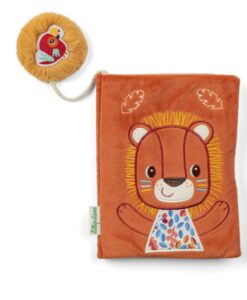
The toys that support it most are the ones that give two people something to talk about: books with large images, animals, things that do something unexpected. The toy does not need to talk; it needs to give a reason to talk.
Throwing things on the floor is not defiance
The other great experiment of the year, and probably the one that costs adults the most patience. The child drops the spoon from the high chair, watches where it lands, and waits for you to give it back so they can do it again.
They are studying two things at once: that objects always fall downwards and that their actions produce a reaction in you. The second is the interesting one — it is their first discovery that they can start an interaction and keep it going.
Which is why cause-and-effect toys work so well here: press and it sounds, push and it rolls, stack and it falls. Each one confirms that the world responds.
Pull-along toys and walking
Pull-along toys do something less obvious than they look: they force the head and trunk to rotate while walking, which is genuine balance and coordination work.
And a straight word about baby walkers: the push-along kind — the ones a child who already walks pushes in front of them — are useful. Seated baby walkers are advised against by paediatric associations, because they put a baby upright before their body is ready and in a posture they would not adopt by themselves.
Frequently asked questions
Which toys support language at 18 months?
Those that give two people a reason to talk: books with large images, animals, objects that do something unexpected. What matters is not that the toy produces words, but that it prompts an adult and a child to look at the same thing and comment on it. That shared looking is what builds vocabulary.
Is it normal to say very few words at 18 months?
There is considerable normal variation, but the gesture matters more than the word count: if the child points to share, understands what is asked of them and seeks the adult's gaze, the outlook is usually good even with little speech. If those are absent, it is worth consulting a speech therapist without waiting.
Are baby walkers a good idea?
Push-along ones, yes. Seated baby walkers are advised against by paediatric associations, because they stand a baby up before their body is ready and in a position they do not adopt unaided.
Why do they throw everything on the floor repeatedly?
Because they are testing two things: that objects always fall downwards, and that their actions produce a response from the adult. It is their first experiment in social cause and effect — exhausting, and exactly right for this age.