




Hearing and language



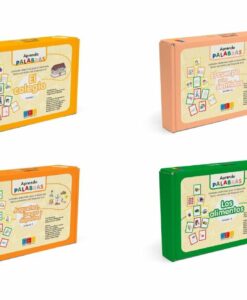
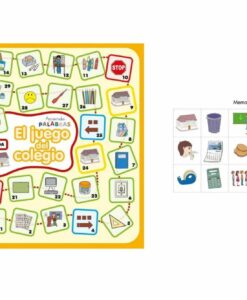
I learn words


En la mente


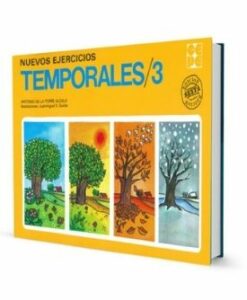
New temporary exercises


First adjectives


Semantic fields


Estimulación del Lenguaje


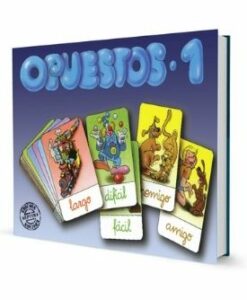
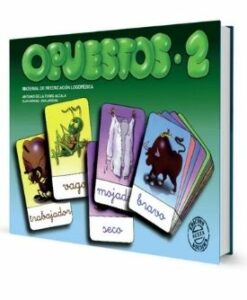
Opuestos


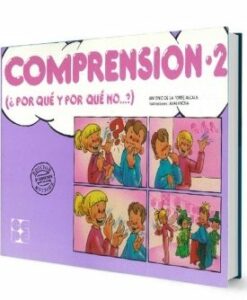
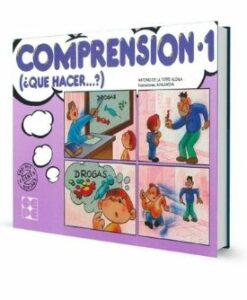
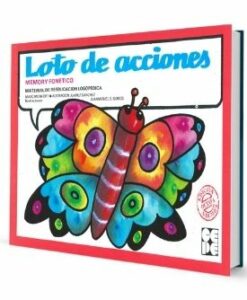


Phonetic lotus
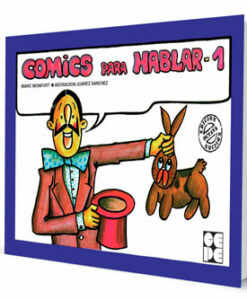
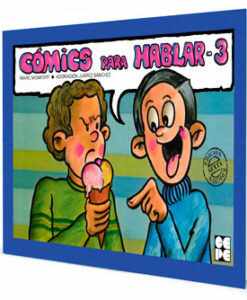
Cómics para Hablar


The books used by people who work on language every day: specialist teachers, speech therapists in clinic and early intervention teams. Oral language stimulation, pragmatics, comprehension, vocabulary and augmentative communication.
There are two kinds, and it helps to tell them apart. Reference works such as Estimulación del lenguaje oral and the materials on pragmatic communication difficulties. And ready-to-use material: visual dictionaries, question scenes, and stories like Lúa la Cacatúa written to train listening while they are read.
It is part of books. The working material —rather than the literature— is in hearing, speech and voice.
By topic
- Oral language stimulation. The foundation: how to prompt language rather than wait for it, and what to do when a child answers with one word and stops there.
- Pragmatics. When the difficulty is not in saying something but in when, to whom and why. The fastest-growing area, and the one with least material.
- Vocabulary and comprehension. Visual dictionaries, first adjectives, time concepts and language comprehension exercises.
- Listening and hearing. Stories and materials to train auditory attention, including those written for children with hearing devices.
- Augmentative communication. Sign-supported speech, for when spoken language does not arrive, or has not arrived yet.
How to choose
If you want grounding, go to the manual. It helps decide what to work on and in what order, and that cannot be improvised no matter how many worksheets you own.
If you want a session, go to the ready-to-use material. A visual dictionary or a set of question scenes gives months of work and suits very different profiles.
If you want something the child enjoys, purposeful stories do the work without looking like work.
Is this for teachers or for speech therapists?
For both, and that is the point of the category. They share almost all of this literature; what changes is the setting —classroom versus clinic— and the size of the group.
What if the case is about speech rather than language?
They are different things: speech is how it sounds, language is what is said and how it is organised. For articulation, dysphonia and fluency, the category is speech and voice.