




ADHD


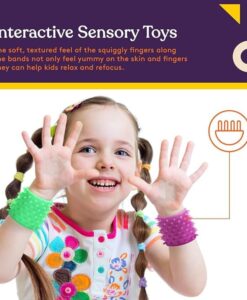
Pulsera sensorial – Layron Sense












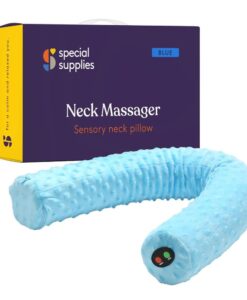


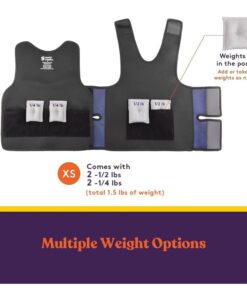
Weighted Compression Sensory Vest


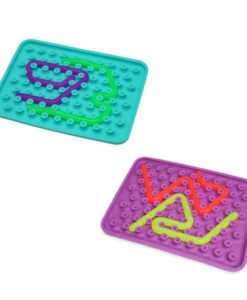

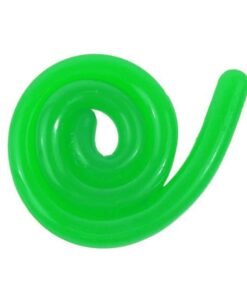
Fidget sensorial – Wiggly Toy


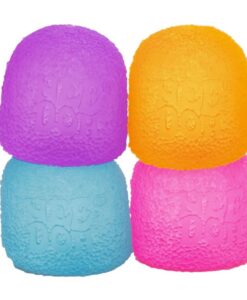




With ADHD, useful equipment does two things: it trains attention through something worth doing, and it gives movement an outlet instead of trying to suppress it.
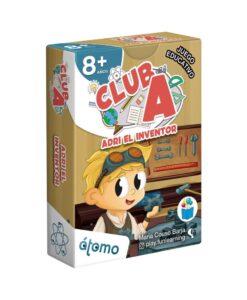
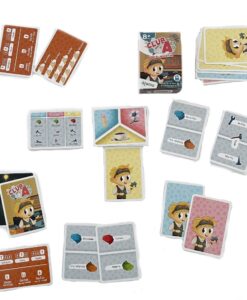
Rule-based attention games. This is what sets this category apart. Dobble in all its versions, Cortex at three levels, Jungle Speed, Crazy Clack, selective attention dominoes and spot-the-difference games. They train sustained attention, selective attention and processing speed, and they work because the child wants another round.
Problem solving and flexibility. Strategy games that force a pause and a plan before acting.
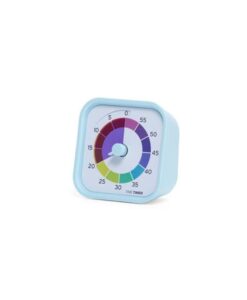
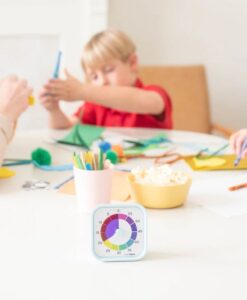
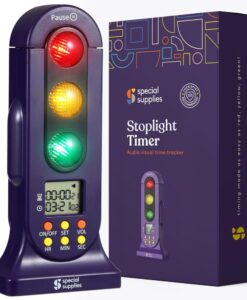
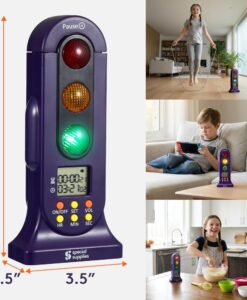
Time management. Time Timer and its MOD case, plus visual countdown clocks. Turning “ten minutes left” into something you can see removes most of the arguments about finishing.
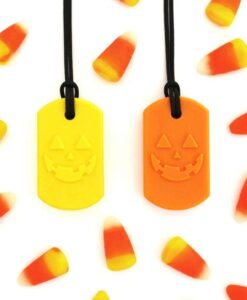
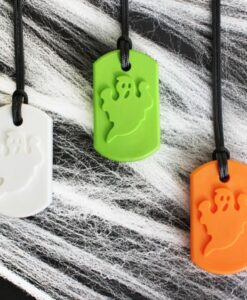
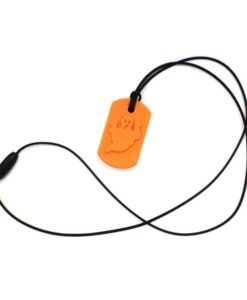
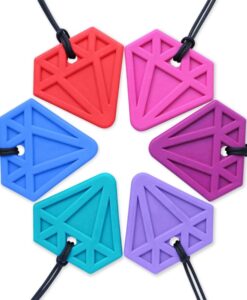
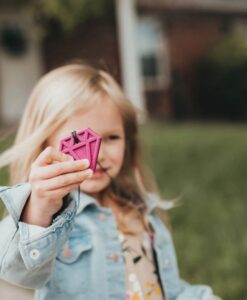
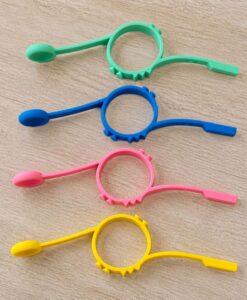
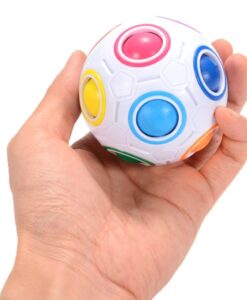
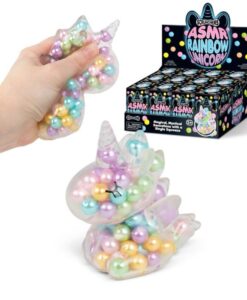
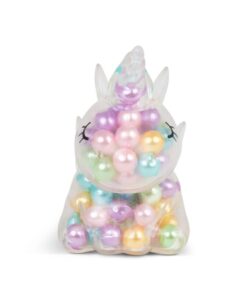
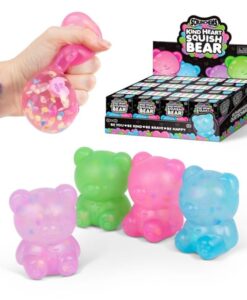
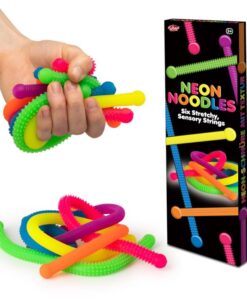
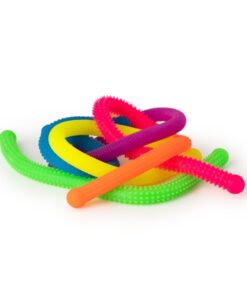
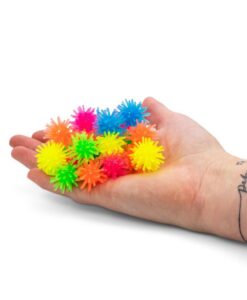
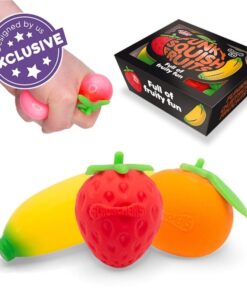
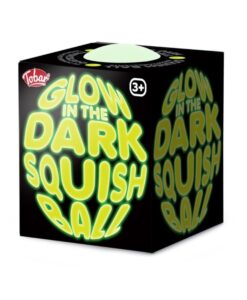
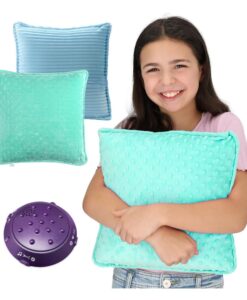
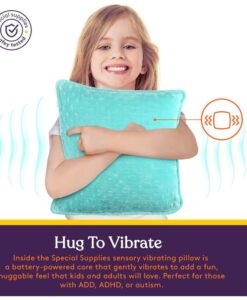
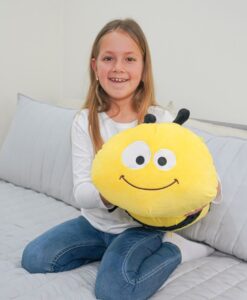
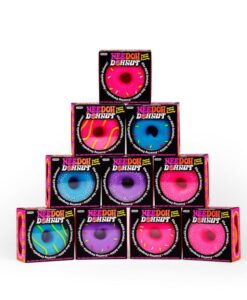
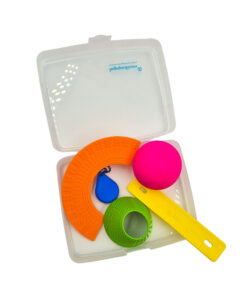
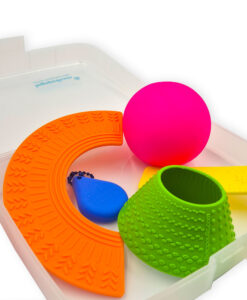
Movement and regulation. Vibrating cushions, wobble cushions, sensory fidgets and stress balls. Not a reward and not a distraction: a way to channel the need to move without leaving the chair.
For the wider sensory range see autism and anti-stress toys. For planning and working memory, see executive functions.
Why board games work here
Telling someone to "pay attention" does not train attention. Playing a round of Dobble does, because it demands sustained selective attention for a short burst, with immediate feedback and the pull to repeat.
That is the point: short duration, high motivation. A twenty-minute attention worksheet and a three-minute round have very different effects, and not because of the content.
These games train four specific things: selective attention, processing speed, inhibitory control — literally the muscle that gives way in ADHD — and flexibility.
Movement is not the enemy
A wobble cushion allows rocking while seated. A fidget occupies the hand. Both do the same job: they give motor input an outlet so attention can go elsewhere.
The alternative — demanding complete stillness — spends on self-control the very resource the task needed.
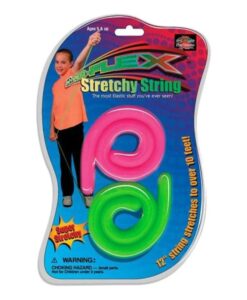
⚠️ One detail that matters: a fidget helps when it is boring and repetitive. Add lights, sound or a screen and it stops being an outlet and becomes the main activity.
Making time visible
The Time Timer shows a red disc that shrinks. No clock reading, no calculation: you can see what is left.
It works in ADHD for the same reason as in autism but from a different angle: here the problem is not anticipation but time perception, which is often distorted. Ten minutes can feel like one or like an hour.
Common questions
Does this replace treatment?
No. It is support material for attention, self-regulation and organisation. Decisions about managing ADHD sit with the clinical team.
Does it work in a mainstream classroom?
Yes, and much of it is designed for exactly that. Wobble cushions and discreet fidgets are used without the rest of the class noticing, which is the condition for the student accepting them.