




Juegos de aprendizaje
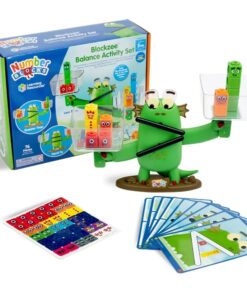
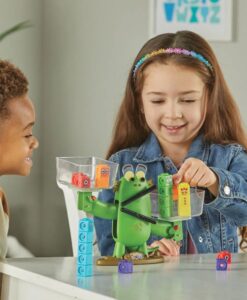
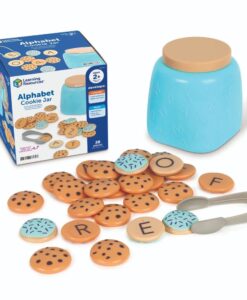
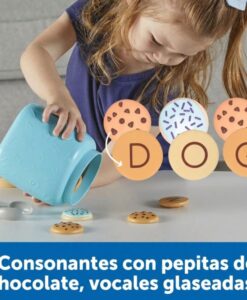


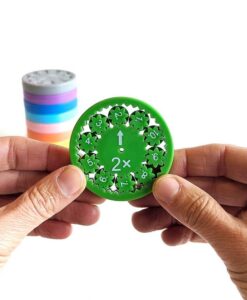
Juego de lenguaje oral – /S/ Cube


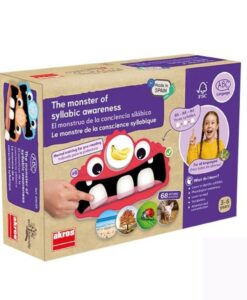
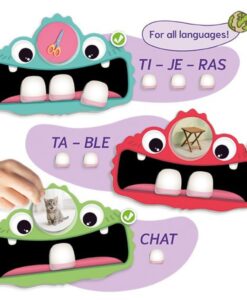
Juego de conciencia fonológica – Fonocube


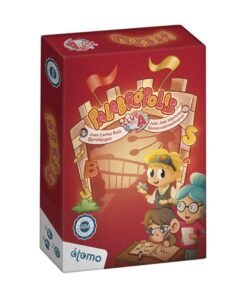
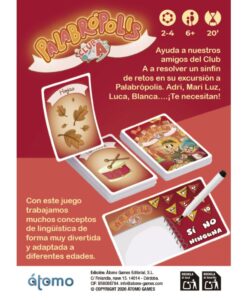
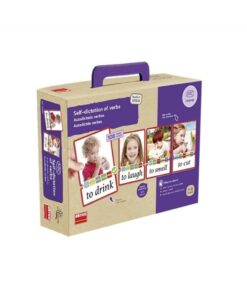

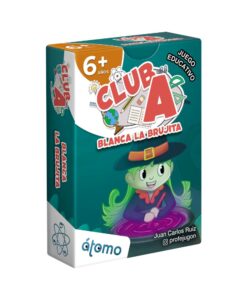
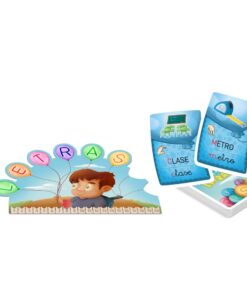
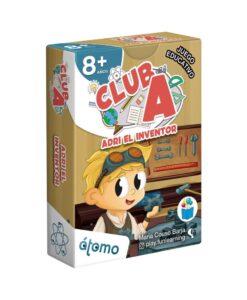
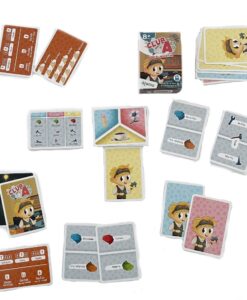
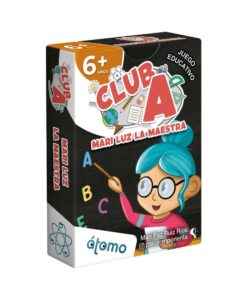



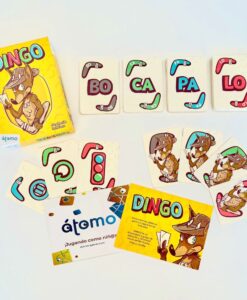
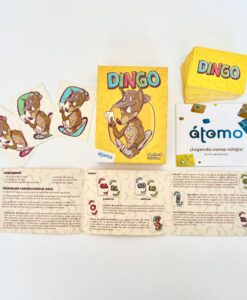
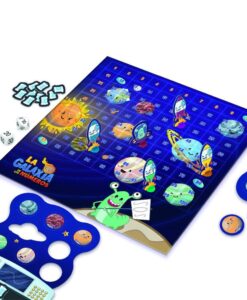
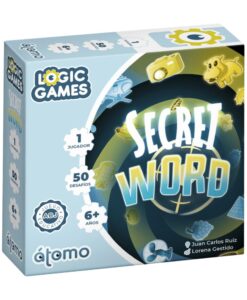
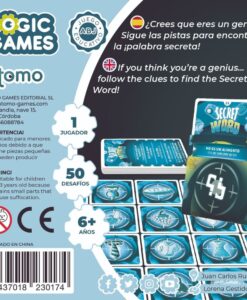
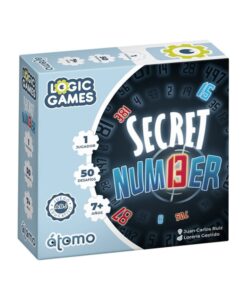

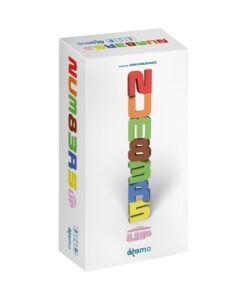
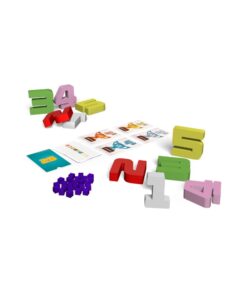
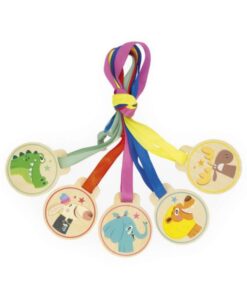
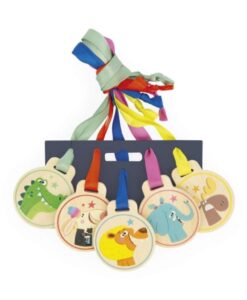
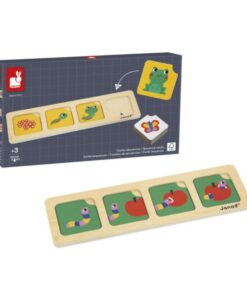
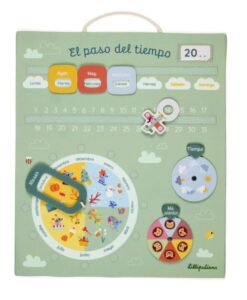
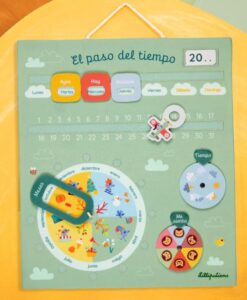
Children’s Fabric Calendar – The Passage of Time

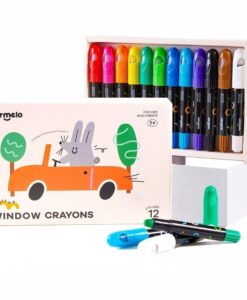
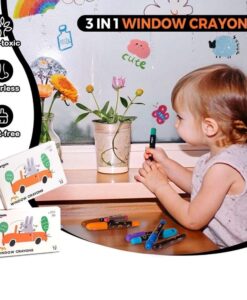
Crayons for glass, tiles, and paper
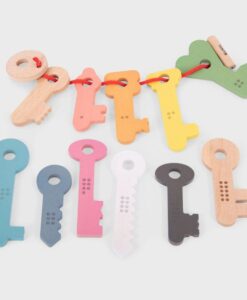
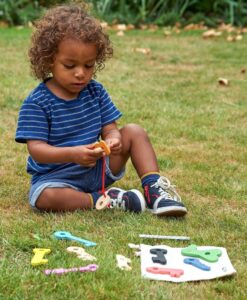
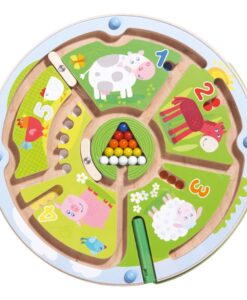
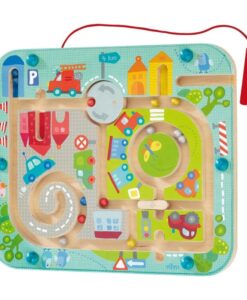
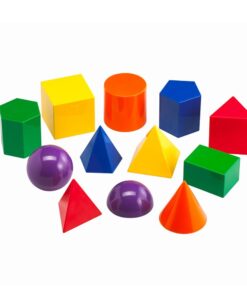
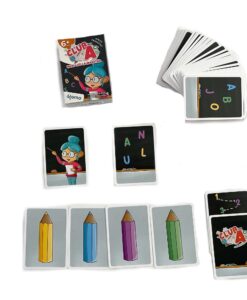
We learn better by touching. A learning game turns abstract content — a sound, a letter, a quantity — into something you can pick up, move and arrange. That hands-on step is what makes learning stick, especially in the early years and in therapy work.
At logopedicum we gather learning games chosen with speech-therapy and educational criteria: phonological awareness materials, vocabulary and word games, numbers and operations, sequences and logic. Resources used every day by speech therapists, teachers and families.
They are part of our toys by type. If you prefer to search by what you want to develop rather than the object, enter through type of play.
Learning by manipulating: why it works
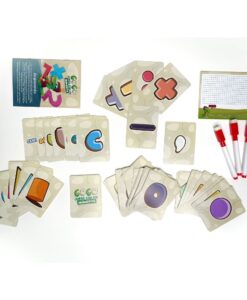
Before writing a word you have to hear its sounds; before adding you have to count objects. Hands-on material makes that middle step visible: the child splits syllables with tiles, builds words with movable letters or represents a quantity with pieces. With something physical to move, a mistake stops being a failure and becomes another attempt — which lowers frustration and keeps motivation up.
Which learning games you will find
- Phonological awareness and speech: sound cubes and games to segment, discriminate and articulate.
- Literacy: alphabets, word building and syllable games; more in reading and writing games.
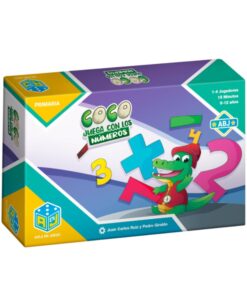
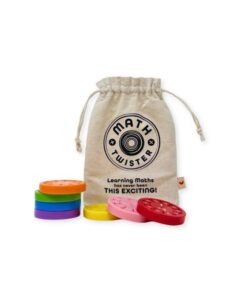
- Numbers and calculation: counting, operations and base-10 material; explore logic and math games.
- Vocabulary and oral language: word, category and description games.
- Sequences and reasoning: series, sorting and level-based challenges.
Learning materials for therapy, classroom and home
In speech therapy they let you target specific goals inside a motivating activity. In the classroom they cover work stations and mixed-ability needs, since almost everything can be graded. And at home they reinforce learning without turning it into homework. Each product page lists a guide age and the skill it works on.
Frequently asked questions about learning games
What is a hands-on learning game?
It is material that turns abstract content (sounds, letters, quantities) into pieces you can touch, move and arrange. By manipulating them, children understand faster and remember better than with an explanation or a paper worksheet.
Which games help work on phonological awareness?
Those that let you separate and manipulate sounds: sound cubes, syllable games, rhymes and auditory discrimination. They are the foundation before literacy and are worked orally and hands-on before introducing the pencil.
Do these games work for both classroom and therapy?
Yes. Most can be graded by changing the number of pieces or the rules, so they suit both a class group and an individual speech therapy or learning support session.