




Motor skills







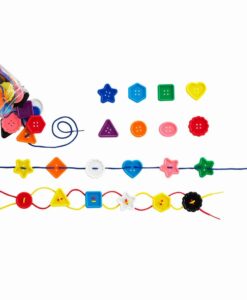
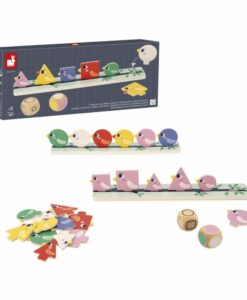
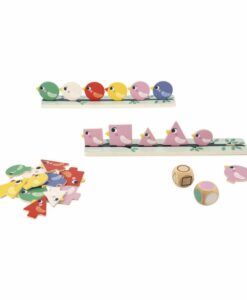

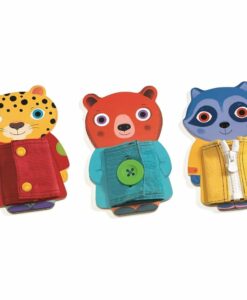
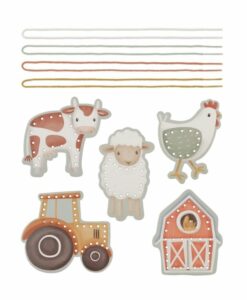
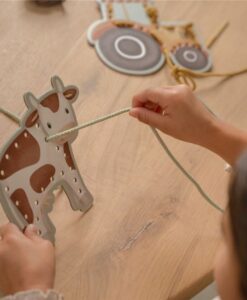
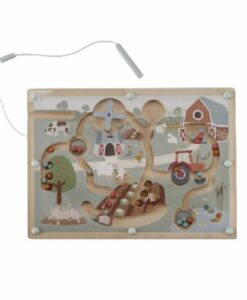
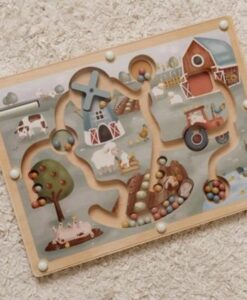
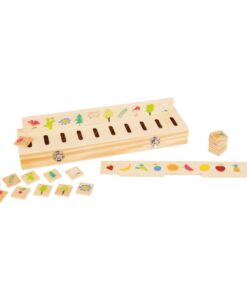
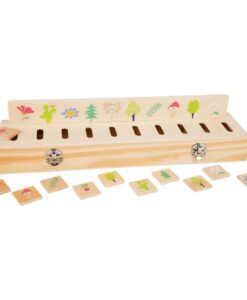
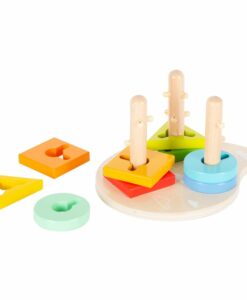
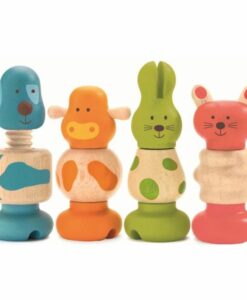
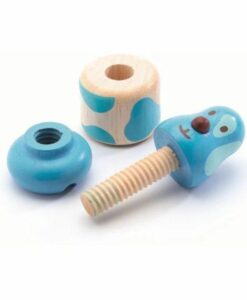
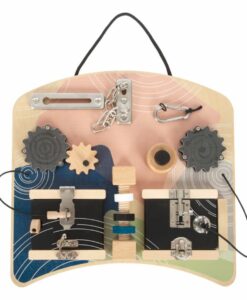
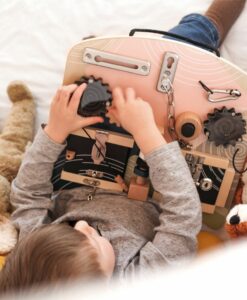
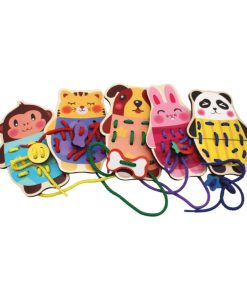
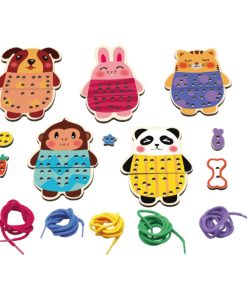
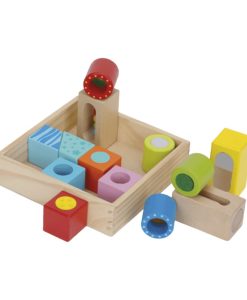
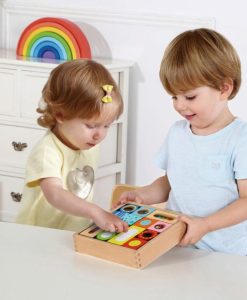

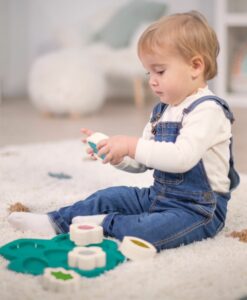
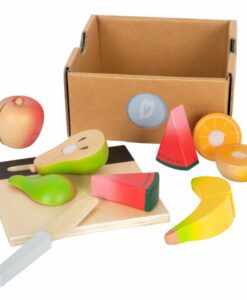
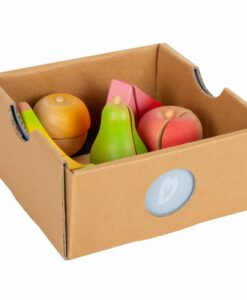
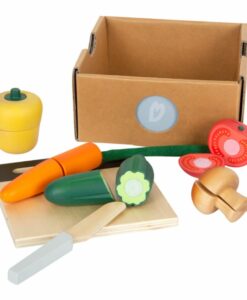
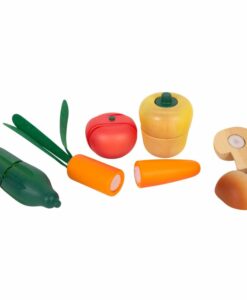
Before a child can write, they have to be able to hold. And before they can hold, the hand has to have done thousands of things: thread, post, stack, screw, fasten.
This is the material for that road, sorted by what it trains.
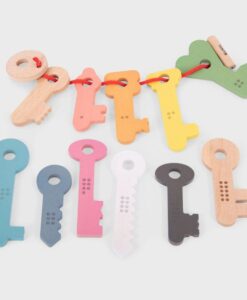
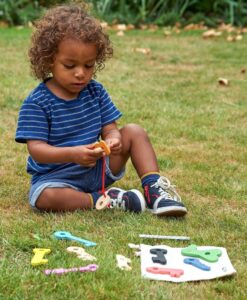
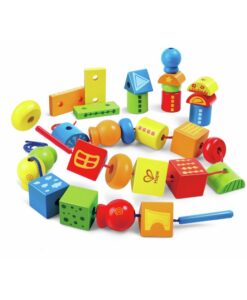
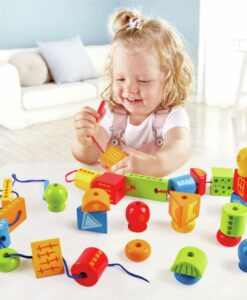
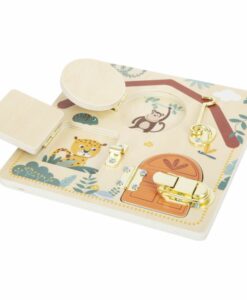
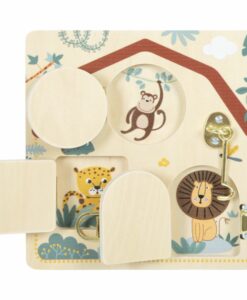
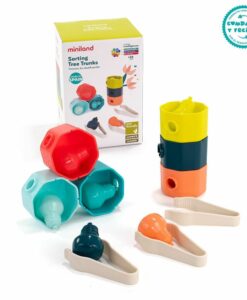
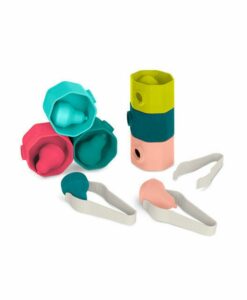
Pinch and precision. Animal and bead threading toys, pegging games, nuts and bolts activities, and the Actipoupi fastening doll. These are the tasks that build the three-finger pinch without the child ever knowing they’re training to write.
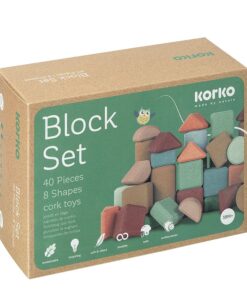
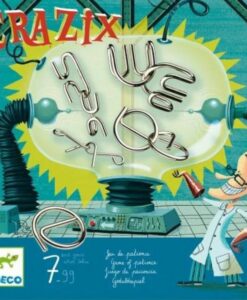
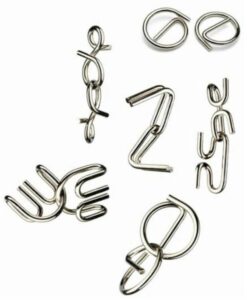
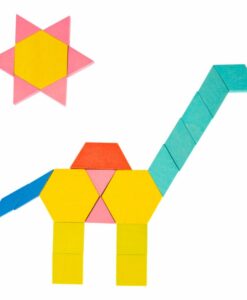
Posting and construction. Crazix iron puzzles, stacking stars, silicone pyramid, wooden blocks, Imanix magnetic construction and rainbow pieces. They work strength, control and two-handed coordination.
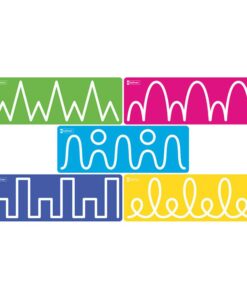
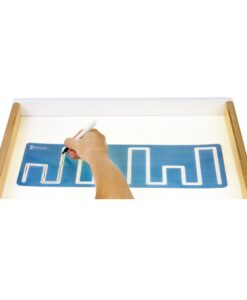
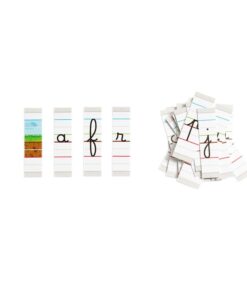
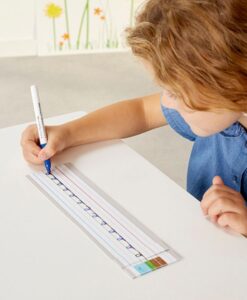
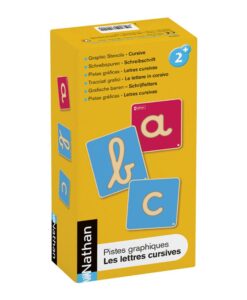
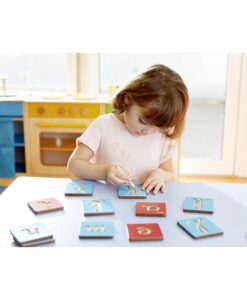
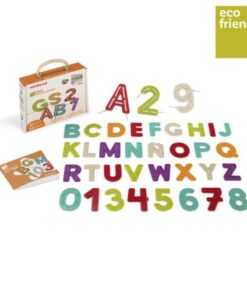
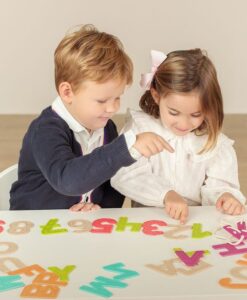
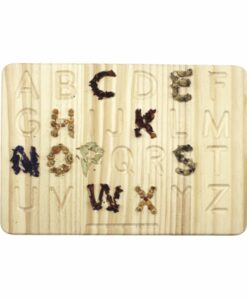
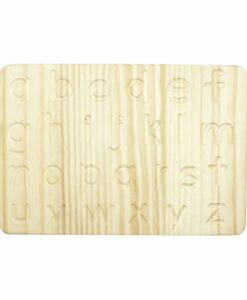
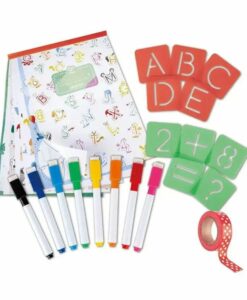
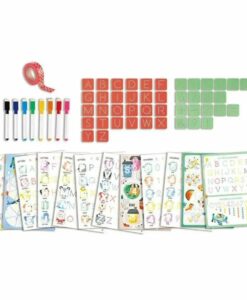
From stroke to letter. Magic window for drawing and writing, magnetic cursive letter strips, Montessori letter board and letter and number tracing material. This is the step where movement becomes handwriting.
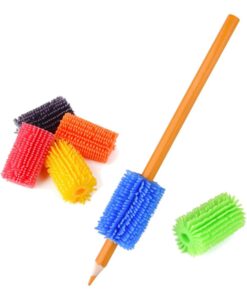
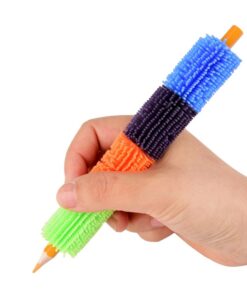
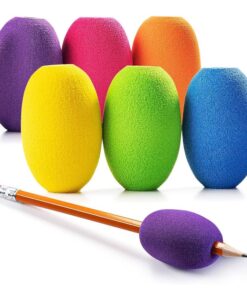
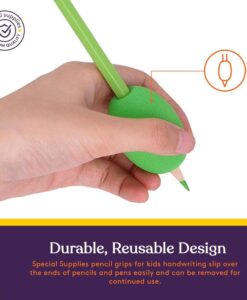
Adapting the tool. Pencil grips in their various shapes and weighted adjustable pencils, for when the grip won’t hold up on its own yet. These are covered in depth under fine motor skills in areas of development.
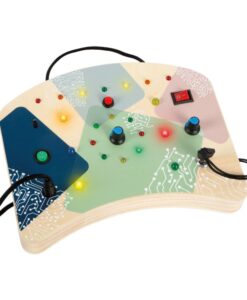
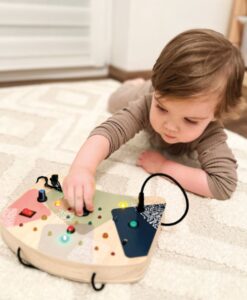
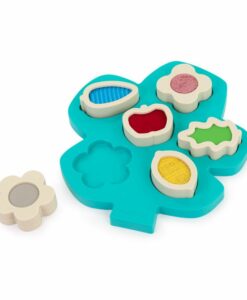
Sensory manipulation. Resistance therapy putty, multisensory box and sensory tree.
If you want movement play rather than hand work, that’s motor skills games. And writing as a code, reading and writing.
The order the hand develops in
Fist grasp
A baby grabs with the whole hand. There's no finger dissociation and the power comes from the shoulder.
Gross pinch
Thumb against the fingers. Enough to pick up large objects with some precision, but not to control a fine tool.
Three-finger pinch
Thumb, index and middle finger. This is the writing grip, and it doesn't appear from practising writing: it appears from handling small objects for a long time.
Distal movement
The last step, and the one most often skipped. Writing well means moving the fingers, not the arm. A child who draws from the shoulder tires after three lines.
Why threading beats tracing letters
Tracing a line of dots trains the path, but not the strength or the pinch. If those two aren't there, the child traces badly and gets frustrated on top of it.
Threading a lace, screwing a nut or fastening a button work exactly what's missing — pinch strength, finger dissociation, two-handed coordination — and they have a clear ending, which motivates.
The rule of thumb: if the stroke comes out shaky or the child presses too hard, the problem isn't in the stroke. It's earlier.
When to adapt the pencil
When the grip works but tires, a pencil grip supports it and frees up attention for the content.
When the grip isn't there yet, a pencil grip doesn't replace the earlier work: you have to go back to manipulation.
It's the difference between a crutch that helps you walk and a crutch that stops you learning to.
Frequently asked questions
What age do pre-writing skills start?
Long before writing. Manipulation work starts in the second year, and intentional mark-making around three. Pushing letters too early installs compensations you then have to undo.
Does it work for left-handers?
Yes, and two things are worth checking: paper angle, which goes the opposite way to right-handers, and the grip itself, since some models are made for one hand only.
What about teenagers with poor handwriting?
Yes. Pencil grips and strength work still help at any age, and at that age it matters that the material doesn't look childish.