




Reading and writing


Escucho, hablo y leo



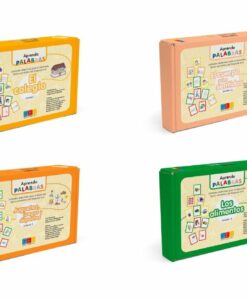
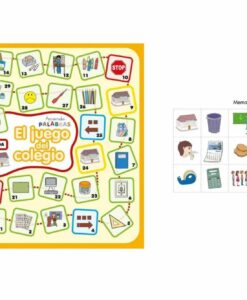
I learn words
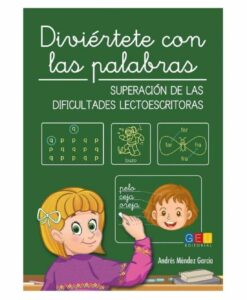
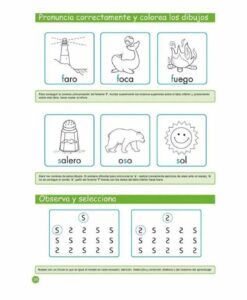
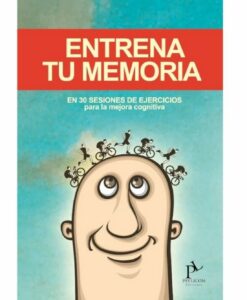
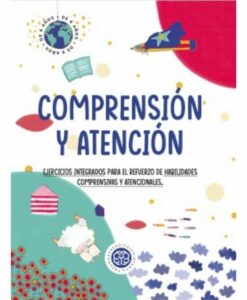
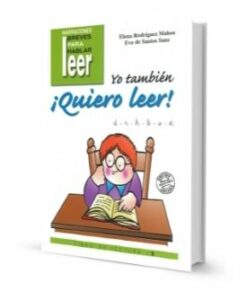
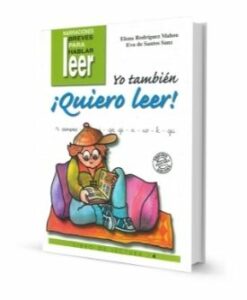
“Yo También ¡Quiero Leer!”
New temporary exercises
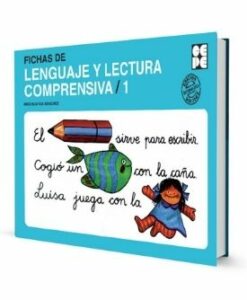
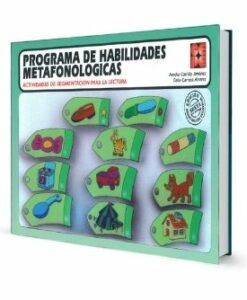
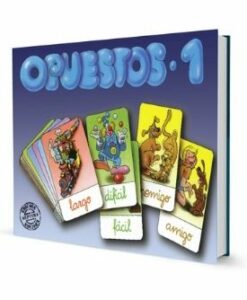
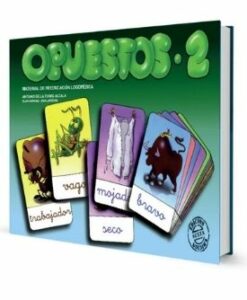
Opuestos
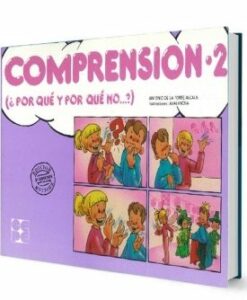
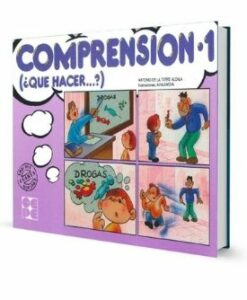
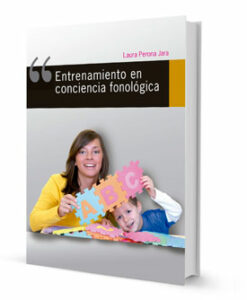
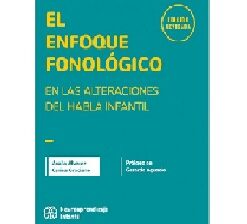
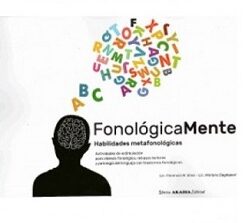
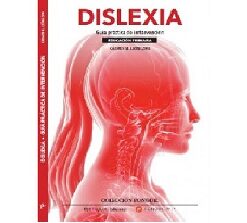
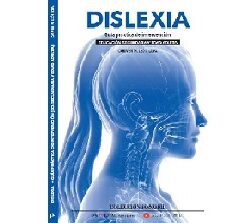
This is the literature on literacy, dyslexia and learning: the workbooks used session by session, and the complete programmes that structure a whole intervention. Phonological awareness, reading method, writing, reading comprehension and cognitive support.
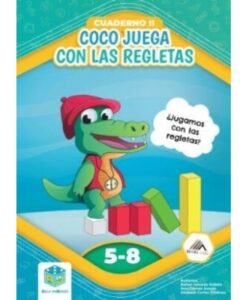
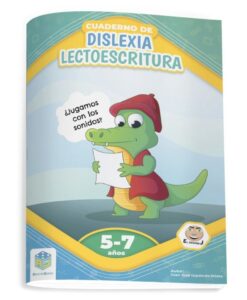
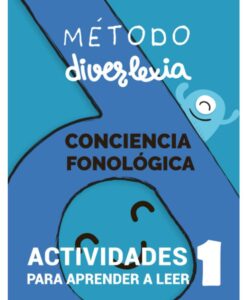
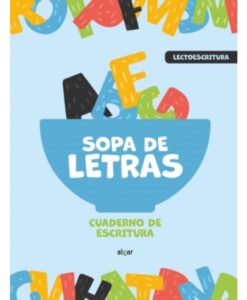
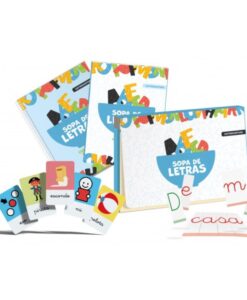
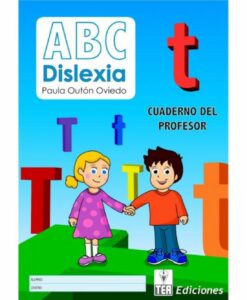
It is the largest category in the branch: 74 titles spanning workbooks, programmes such as ABC Dislexia and Diverlexia, and full series like Sopa de letras, with a reading book, a writing book and a folder.
It is part of books. The hands-on material for the same work —rather than the literature— is in reading and writing and in reading and writing games.
What is inside, by stage of the intervention
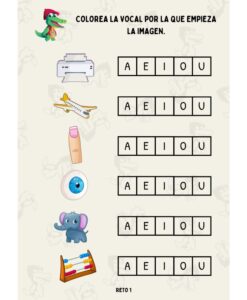
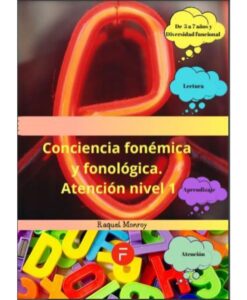
- Before reading: phonological awareness. The step that comes first and the one most often skipped. Specific material to segment, identify and manipulate sounds before touching a letter.
- Reading method. Structured programmes moving from syllable to word and on to sentence, with the sequence already built.
- Writing. From stroke formation to spelling, with workbooks that separate the two rather than mixing them.
- Dyslexia. Complete reading and writing programmes for when the gap has already been diagnosed.
- Comprehension and cognitive function. Reading comprehension, attention and memory, which is where performance drops once the mechanics are in place.
Workbooks, programmes and story books are not the same thing
A workbook is session material: sheets sequenced by difficulty, ready to use today with no preparation. It gets used up.
A programme —ABC Dislexia, Diverlexia— brings the whole intervention designed: order, progression criteria and record-keeping. Bought once, it structures months of work.
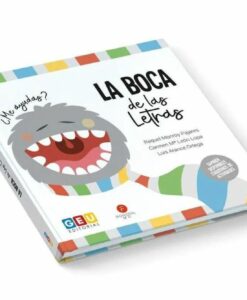
A story book does not train a skill: it accompanies and it prompts conversation. It serves a different purpose, and it is worth not asking it to do the other two jobs.
Is this useful for a teacher, or only for speech therapists?
The workbooks and phonological awareness materials work perfectly well in class and in learning support. Dyslexia programmes ask for more training, because they involve deciding where to start and when to move on.
Where do I start if the child is not reading yet?
With phonological awareness, always. If a child cannot tell apart the sounds in a word, working on letters is building on something that is not there. It is the most common mistake and the most expensive one in time.