




Harmful habits and generalization

















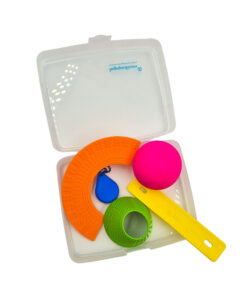
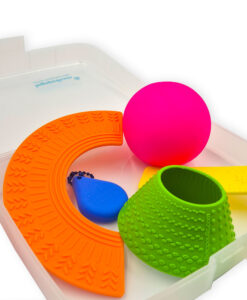

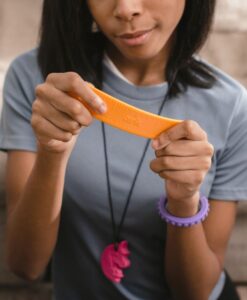
Mordedor sensorial con textura – Binder Buddy fidget
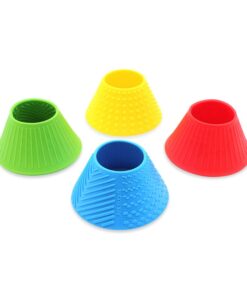
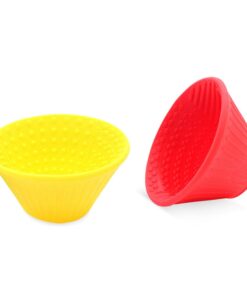
Fidget sensorial giratorio – Flippable

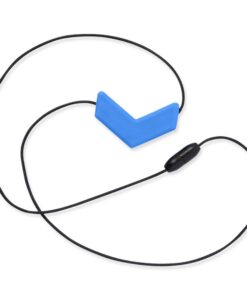
Collar mordedor – Flecha Chevron


Collar mordedor – Gota
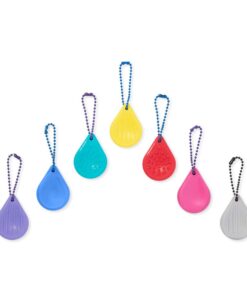

Llavero fidget sensorial – SensaStone
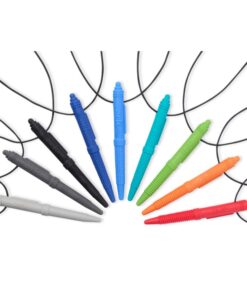

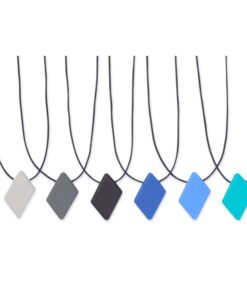
Collar mordedor pequeño – ParaBite

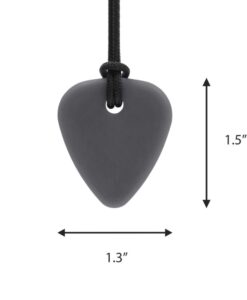
Collar mordedor – Púa guitarra


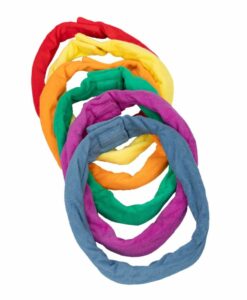
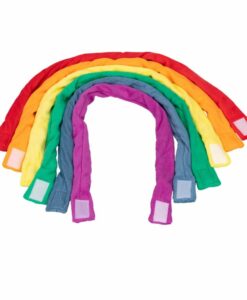
A harmful oral habit does not stop because you tell someone to stop. It gets replaced. Someone who bites their nails, their lip or their shirt collar does it because it regulates them, and taking that away without offering anything in return usually means they do it more.
This is the material for that substitution, and for the hardest part of any intervention: generalization, when what you work on in session has to hold up in the classroom, at home, and without the therapist there.
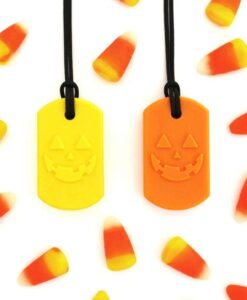
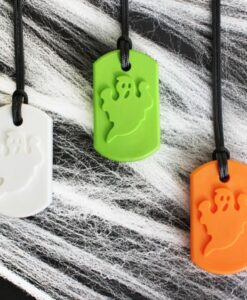
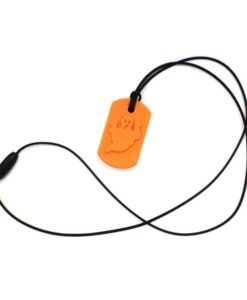
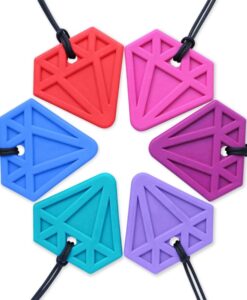
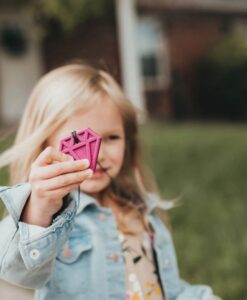
Chewelry and chew bracelets. The bulk of the category. Tubular, gem, textured, shaped — dino, ninja, basketball, seashell — and in teen and adult versions, which are the ones people will actually wear without feeling self-conscious.
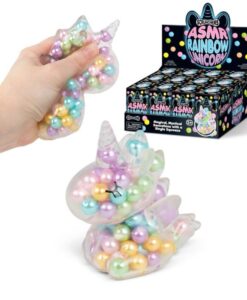
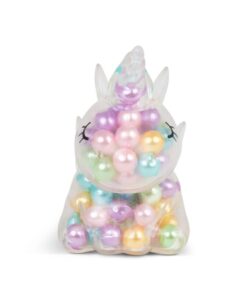
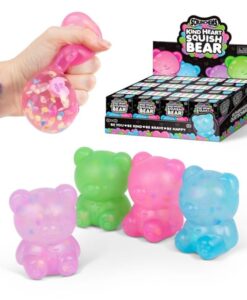
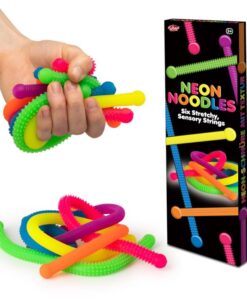
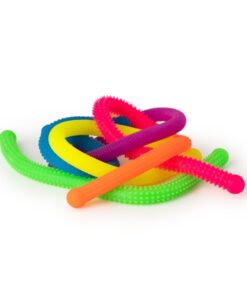
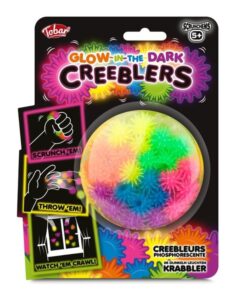
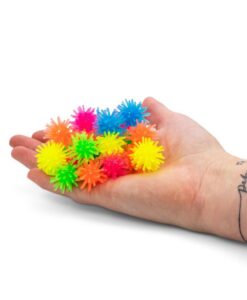
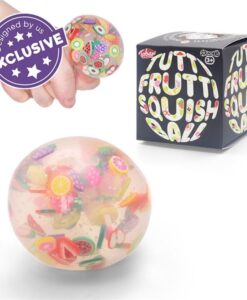
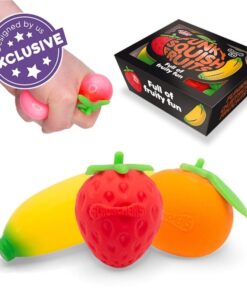
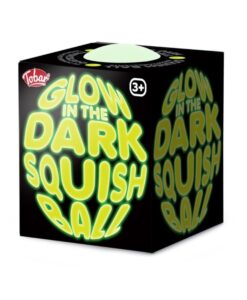
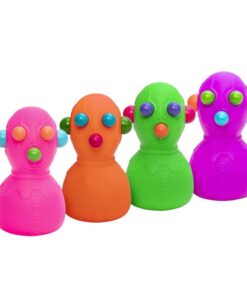
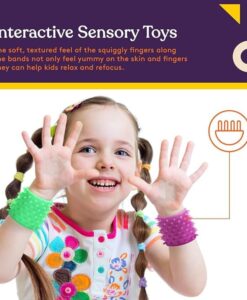
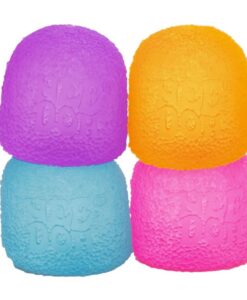
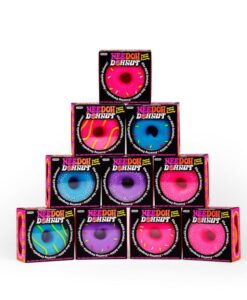
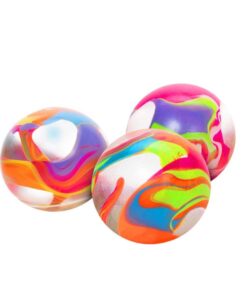
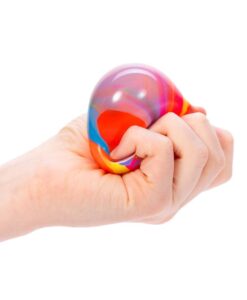
Fidgets and sensory tools. Stress balls, squishies, stretchy sensory noodles, textured bracelets. They occupy the hands, which is the indirect route into thumb sucking and nail biting.
Graded chewing-pattern progression sits in chewing. Lip seal work, which usually accompanies these cases, is in lips, tongue and more. If the habit is respiratory, see breathing.
⚠️ If you want fidgets as regulation toys rather than habit substitution, they are in anti-stress toys.
What counts as a harmful oral habit
A repeated behaviour that interferes with orofacial development or function. The most common are thumb sucking, dummy use beyond the appropriate age, nail biting, lip sucking or biting, bruxism and tongue thrust.
They are called harmful because they have structural consequences. Sustained thumb sucking reshapes the palate and the bite; tongue thrust perpetuates an atypical swallow; constant lower-lip biting keeps it inflamed and disrupts lip seal.
The consequence rarely appears suddenly. It appears through accumulation, which is why you intervene before the structural change sets in.
Why substitution beats prohibition
These habits almost always serve a regulatory function: they calm, they organise, they help with focus. Removing them without replacement leaves a gap that fills itself, often with something similar.
The strategy that works has three parts:
Offer an acceptable alternative. Chewelry the young person is willing to wear. If it embarrasses them, they will not use it — which is why discreet, teen-appropriate designs matter as much as the children's ones.
Make it available at the exact moment. The habit shows up in class, in front of the TV, at bedtime. If the item is in the bag rather than in the hand, it does nothing.
Record it. Knowing when and where it happens lets you get ahead of it.
Generalization is where it is won or lost
A habit corrected in session and only in session is not corrected. The hard part is holding it across the other six days of the week.
That is why the material here is designed to leave the clinic: it is worn, it fits in a pocket, and it works without the therapist.
Getting family and school on board matters. One consistent rule in three settings beats one perfect weekly session.
Common questions
At what age should thumb sucking be addressed?
The usual reference is age 3 to start paying attention and 4-5 to intervene actively, because that is when the effect on palate and bite starts to consolidate. Before that it often resolves on its own.
Is chewelry safe?
Medical-grade silicone chewelry is, and the hardness has to match the bite force: a chew that is too soft for a strong biter will break. Check for wear and replace when deep marks appear.
Do adults use it?
Yes, and it is common. There are deliberately discreet designs — gems, geometric shapes — made to be worn in workplace settings.