




9 – 12 years



Kidywolf Kidyelec electric kit for kids, starter or advanced











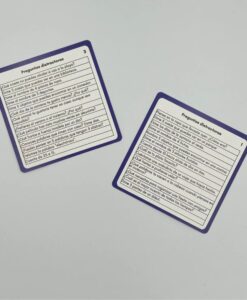

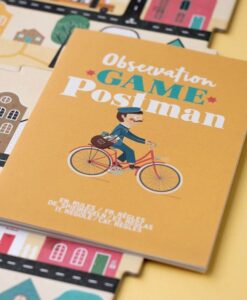
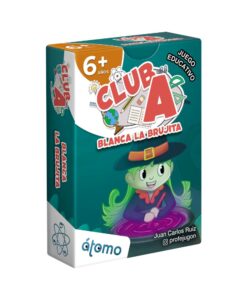
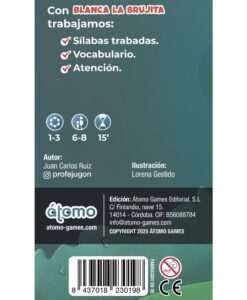
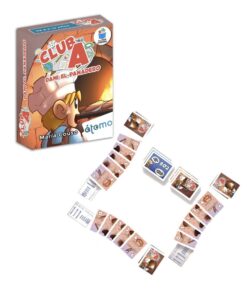
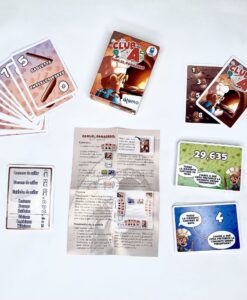
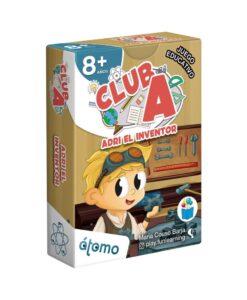
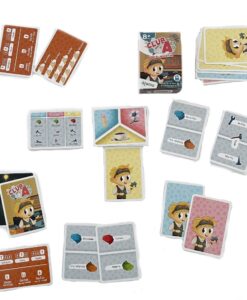
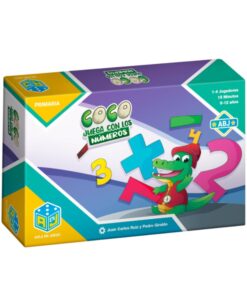
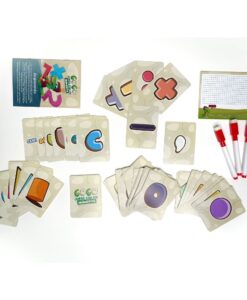


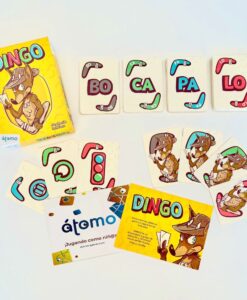
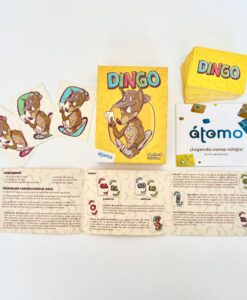
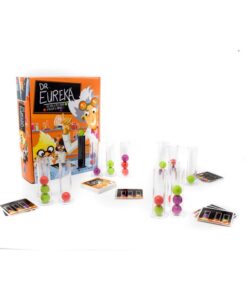
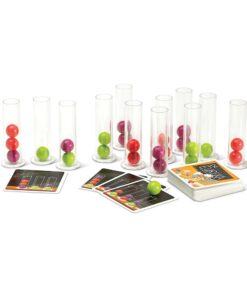
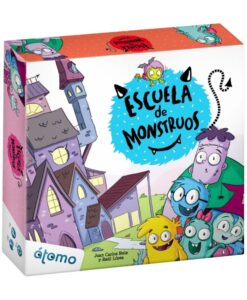
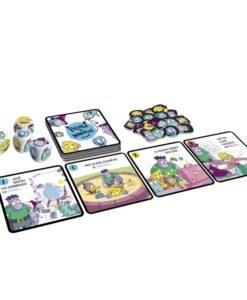
“Escuela de monstruos” – A Game of Rhymes and Language
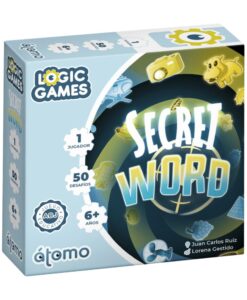
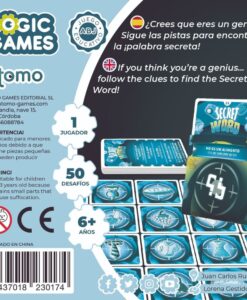
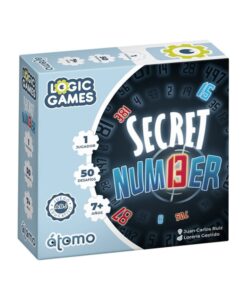

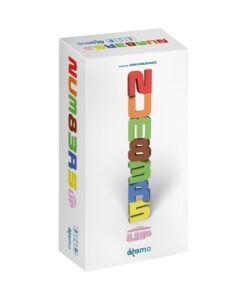
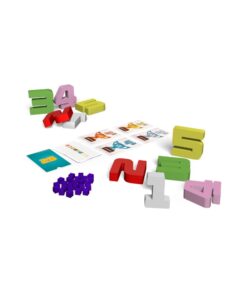
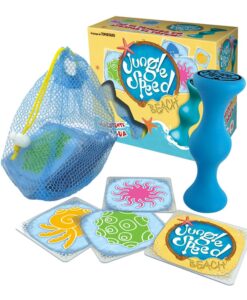


This is the band where most of the children’s catalogue stops working. By nine or ten they no longer want anything that looks “for little kids”, and the alternative all around them is a screen. Getting it right here is harder than at any other age.
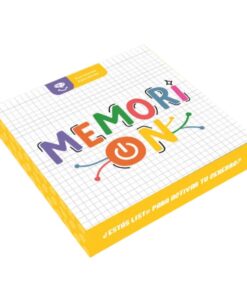
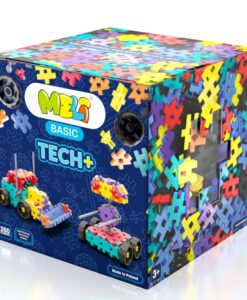
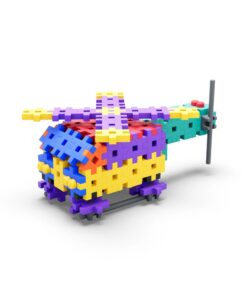
What still works comes down to three things: fast games the family can actually play, challenges that genuinely stretch them, and objects for the hands. Here you will find short board games, observation and speed challenges, stress-relief and sensory material, and creative kits.
Part of toys by age. Before: 6 to 9. Pairs with family games.
Why stress-relief material is the standout category at this age
It is the least expected item on the list and the best-selling one. The reason is simple: pressure starts between nine and twelve — graded tests, comparison with classmates, and in many cases the first recognisable nerves.
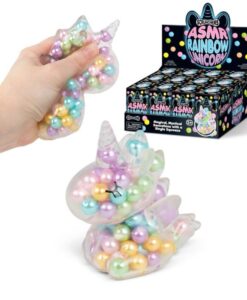
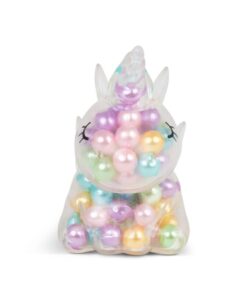
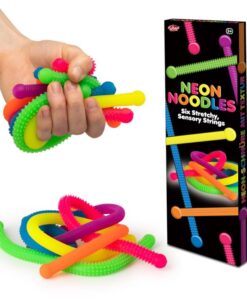
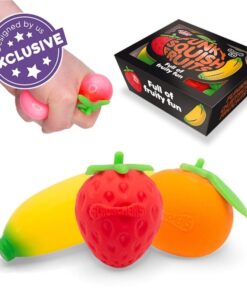
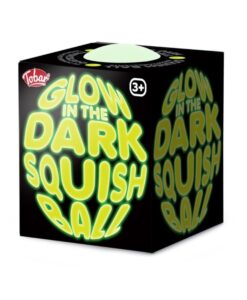
Objects to squeeze, stretch and manipulate work here for the same reason they work for adults: they give arousal a route out through the hands while the head stays on something else. They get used while studying, in the car, while waiting, without interrupting the activity.
They also have an advantage that matters enormously at this age: they don't look like toys. An eleven-year-old will not take a toy to school, but will keep a squeeze object in a pocket. That is the difference between something used daily and something in a drawer.
They vary a lot in feel — soft, stretchy, textured, noisy — and it is worth trying: what calms one child irritates another.
Board games: short, or they don't get played
By this age almost anything is playable, and precisely for that reason short wins. A twenty-minute game comes out on an ordinary Tuesday; a two-hour game is saved for a special day that never arrives.
- Speed and observation. Resolved in seconds, played over many rounds, and they put everyone on equal footing — a ten-year-old can beat an adult with nobody holding back.
- Quiz and general knowledge. They now have enough base to compete properly, and they enjoy it more than they let on.
- Card games. They fit in a bag, play anywhere and work across three generations.
- Light strategy. Decisions that matter, without a twenty-page manual.
What to avoid
Anything resembling homework. At this age the rejection is instant and permanent.
Anything only playable alone. This is when play turns social. A solo game ends up competing with a screen, and loses.
Anything slow to start. Half an hour of rules and setup kills any game in a family with a real schedule.
Frequently asked questions
What do you give a 10 year old who only wants screens?
Something played with other people that resolves quickly. Screens win on solo play, so competing there is a losing move. A speed or quiz game with two or three people round a table does work, because it offers what a screen cannot: other people reacting in real time.
What are stress-relief toys for?
They route arousal out through the hands while attention stays elsewhere. They get heavy use during study and waiting. For children with motor restlessness or anxiety they help sustain stillness without conscious effort, and at this age they have the advantage of not looking like a toy.
Do they still play board games at 11 or 12?
Yes, and more than they admit in front of friends. The key is length and a level playing field: if the adult always wins or the game drags, it dies. Fifteen to twenty minute formats with high replayability are the ones that survive.
How long do these games stay useful?
Speed games, card games and quizzes have no ceiling: they carry on into adolescence and adulthood. That is precisely why they are the best purchase in this band — they are not outgrown, they just get played differently.