




Board games
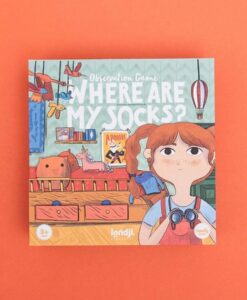
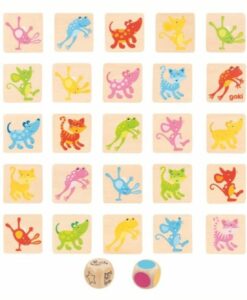
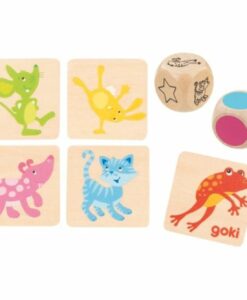
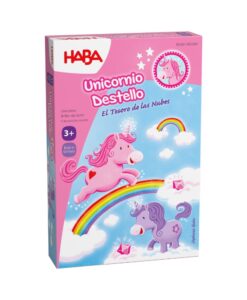
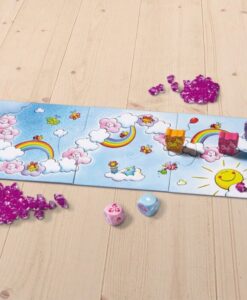
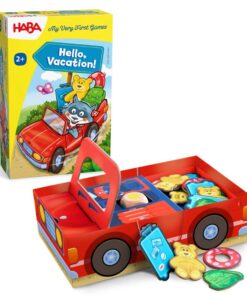
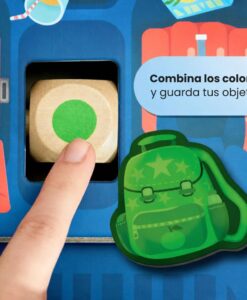
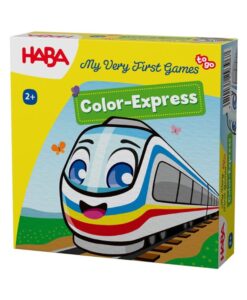
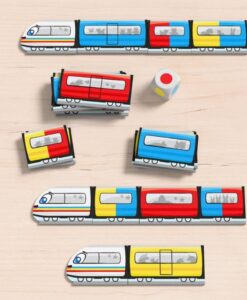

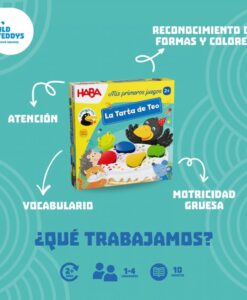
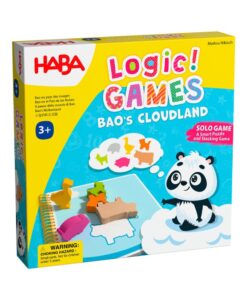
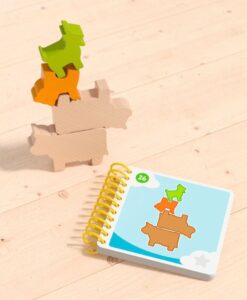
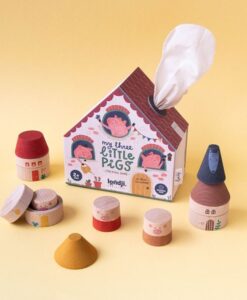





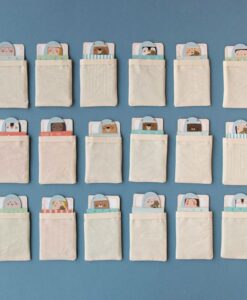

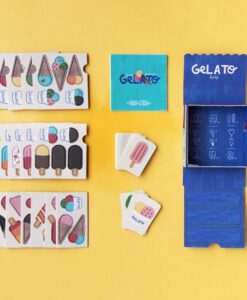
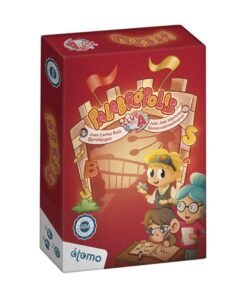
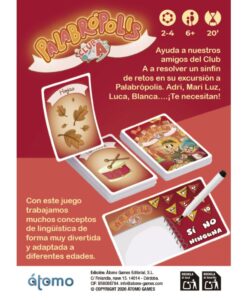


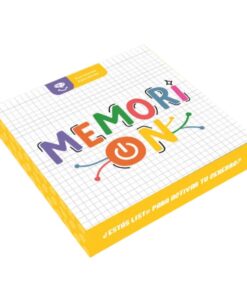
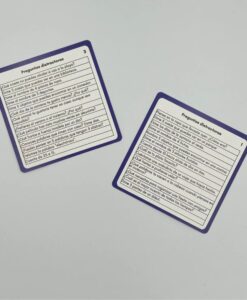

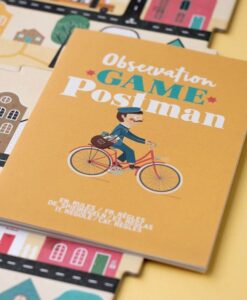


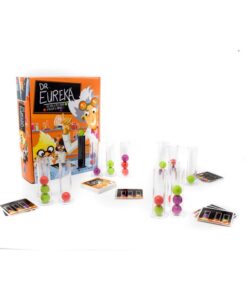
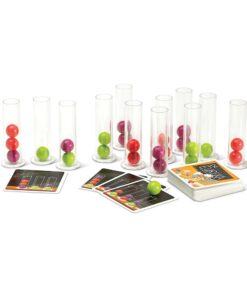
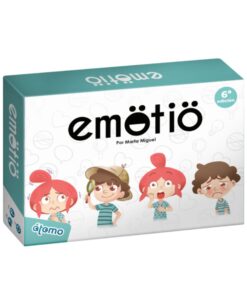
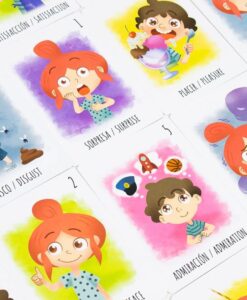
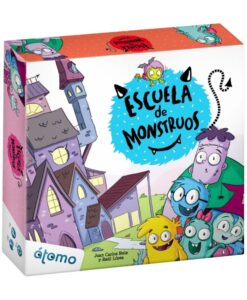
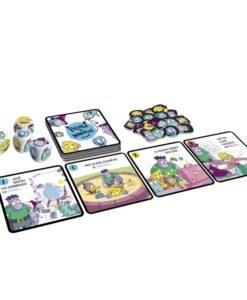
“Escuela de monstruos” – A Game of Rhymes and Language
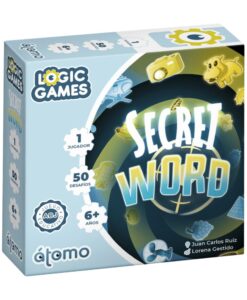
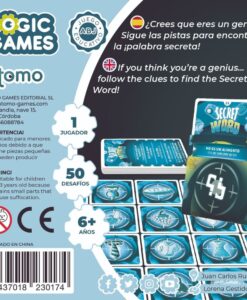
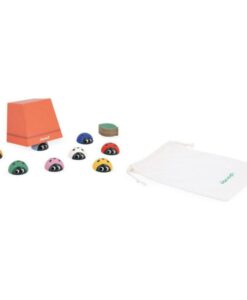
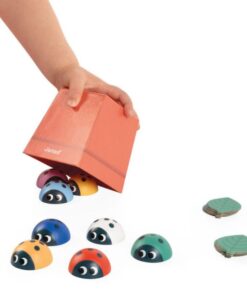
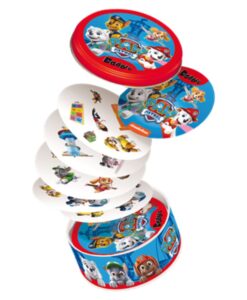
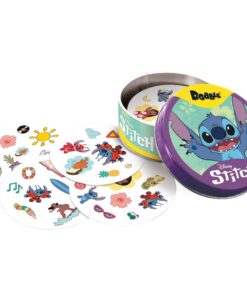
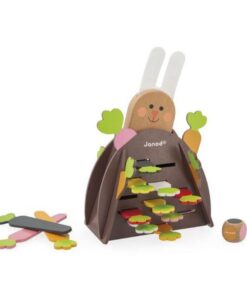
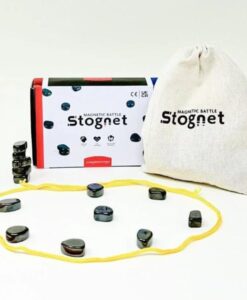
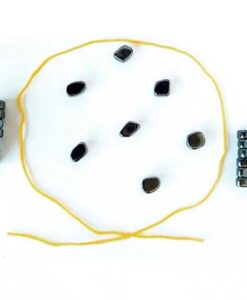
A board game brings everyone around the same table: you have to wait your turn, listen, explain, lose and try again. That makes it one of the most complete tools there is for working on language, attention and social skills without it feeling like an exercise.
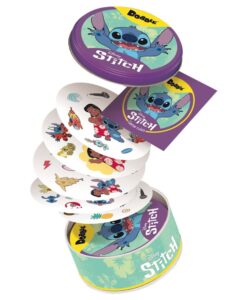
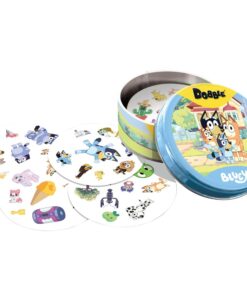
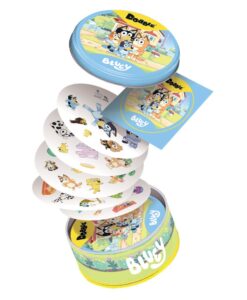
At logopedicum we select children’s and educational board games with a therapeutic eye: vocabulary and speaking games like Palabrea or Just One, speed and attention games like Speed Cups or Dobble, logic, memory and cooperative games where you win as a team. All tested in sessions and with families.
They are part of our toys by type. If you are specifically after team play, visit cooperative play.
What a board game works on
Beyond the fun, board games train very concrete functions: turn-taking and waiting, sustained attention, working memory, vocabulary and description, reasoning and tolerance of frustration. In speech and occupational therapy they work especially well because the child practises without feeling assessed, and because the adult can grade the difficulty by changing the rules.
Types of board game you will find
- Language and vocabulary: describing, guessing and talking (Palabrea, Just One, definition games).
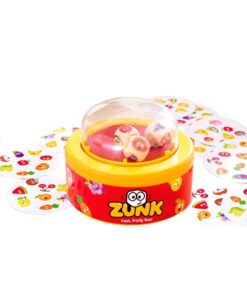
- Attention and speed: Dobble, Speed Cups and similar, for selective attention and reaction time.
- Logic and strategy: sequences, deduction and planning by level.
- Memory: pairs and recall, also useful with older adults.
- Cooperative: everyone against the board, ideal for groups and to avoid rivalry.
Board games for home, classroom and therapy
At home, they are the perfect excuse for screen-free time together. In the classroom, they energise groups and corners. And in therapy, they let you work on language, attention or executive function goals inside a motivating activity. Many of our titles have short play times — key when the session lasts 45 minutes.
Frequently asked questions about children's board games
Which board games are best for working on language?
Those that require describing, defining or guessing: word and clue games like Palabrea or Just One, and sequence or story games. They boost vocabulary, narrative discourse and active listening, and are easy to adapt to the child's level.
From what age can children play board games?
From ages 2-3 with very simple colour, shape and turn-taking games; between 4 and 6 come memory, speed and first-rules games; and from 6 onwards strategy and richer language games. Each product page lists the recommended age.
Which board game should I choose for a short therapy session?
Quick-play games (5-15 minutes) with simple rules: speed, matching or vocabulary games. They let you finish a round within the session and repeat it several times, adjusting the difficulty.