




Doudous and stuffed toys
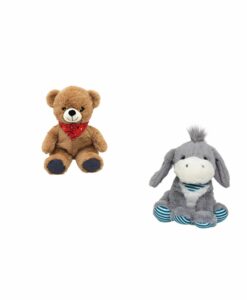
Thermal doudou plush – Cold/Warm
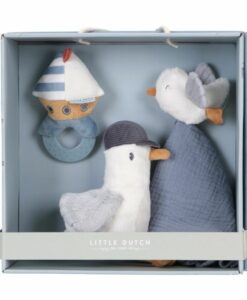
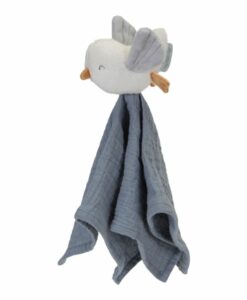
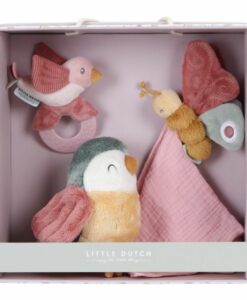
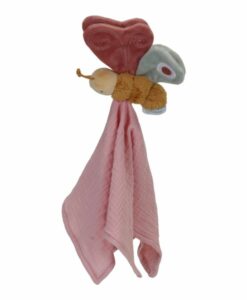
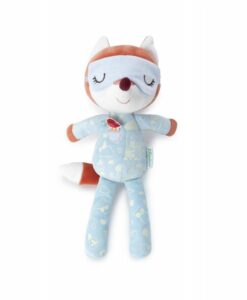
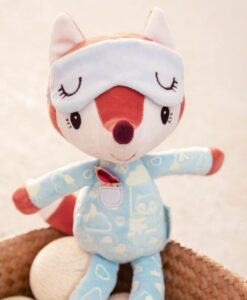
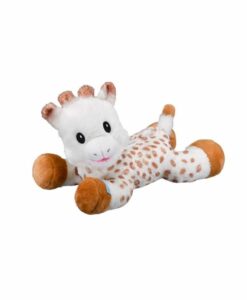
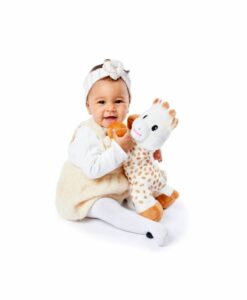
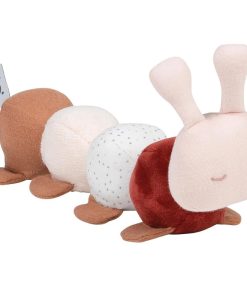
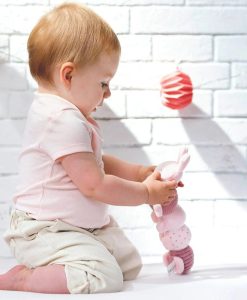
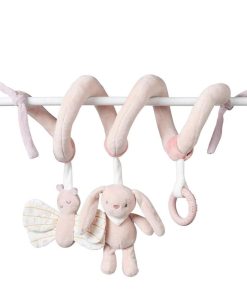
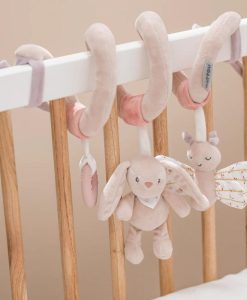
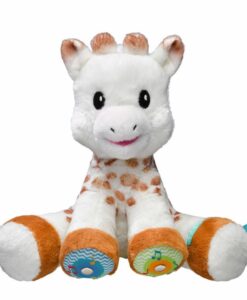
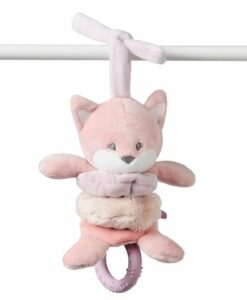
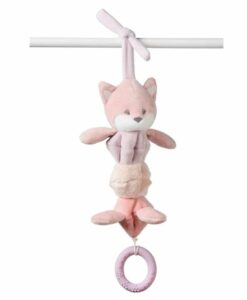
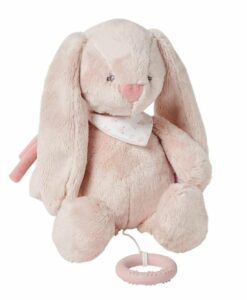
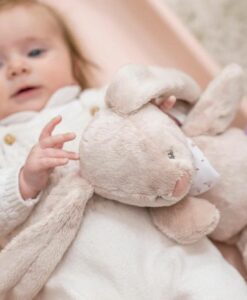
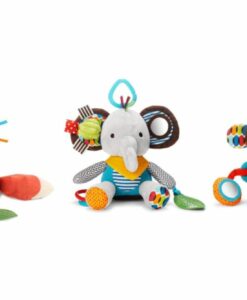
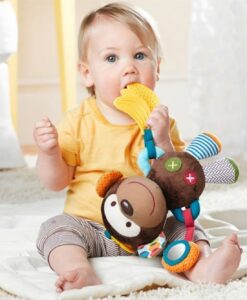
Multisensory animal plush toy
The comforter is probably the most important object in a baby’s room, and the one chosen with least thought. It isn’t just any soft toy: it’s the object the child uses to settle themselves when the adult isn’t there, and that gives it its own rules.
Here you’ll find soft-fabric comforters, sleep soft toys with light or melody, vibrating soft toys and multisensory characters designed to support sleep and separation.
It is part of child sleep and pairs with night lights and baby books.
What a transitional object is, and why it matters
The term comes from paediatrician and psychoanalyst Donald Winnicott: a transitional object is what helps a baby tolerate the absence of their attachment figure. When a parent leaves the room, the comforter stays, and with it part of that sense of security. This isn't dependence: it's a step towards independence, because the child learns to self-regulate without needing the adult present at every moment.
It usually appears between 6 and 12 months, alongside separation anxiety, and can stay around until 4 or 5. There's no need to remove it by calendar: it gets dropped when it's no longer needed, and forcing the issue early tends to prolong things.
How to choose a good comforter
- Buy two identical ones. The most practical advice there is, and almost nobody follows it in time. Comforters get lost, and they get lost at the worst moment. Rotate them from the start so they smell and wear the same.
- Machine washable and quick to dry. It's going to end up on the floor, in the park and in hospital.
- Manageable size. Small enough for a hand and a bag, big enough not to disappear into the bedding.
- No loose parts or stitched eyes that could come off if it will be in the cot. For the early months, flat and lightly filled is better.
- A texture they actually like. Some children seek out the label, the knot or the rough patch. That tactile preference isn't random and is worth respecting.
Vibrating, warming or musical soft toys: when they make sense
These aren't a tech gimmick: each provides a specific kind of sensory input and suits a different profile.
Vibration gives deep proprioceptive input, the most organising and calming kind. It works particularly well with children who become very alert before bed or who constantly seek pressure and contact. Warmth — thermal comforters that heat and sometimes cool — gives an enveloping sensation close to physical contact, and doubles as colic relief on the tummy. Music or a heartbeat reproduces the intrauterine soundscape and helps most in the early months.
For children with autism, ADHD or sensory hypersensitivity, this material is standard in occupational therapy: they're regulation objects the child can seek out themselves, without depending on an adult interpreting what's going on.
Frequently asked questions about comforters and sleep toys
What age can a baby sleep with a soft toy?
Safe sleep guidance is to keep the cot clear of objects for the first 12 months, including soft toys, blankets and bumpers. Before that age the comforter is used in arms and during supervised awake time, not in the cot during sleep.
Is it bad that my child relies so much on their comforter?
No. A comforter is a self-regulation tool, not a crutch: the child uses it precisely so they can manage without the adult. Use typically tails off by itself between 3 and 5. Removing it by force usually creates more anxiety and prolongs the need.
How do you wash a comforter without losing its smell?
The smell is part of the bond, so use a mild detergent and skip perfumed softener. One trick that works: sleep with it yourself for a night before handing it back, so it picks up the familiar scent. Keeping the spare in rotation avoids the laundry-day drama entirely.
What is a vibrating soft toy for?
It provides gentle proprioceptive stimulation, which has an organising, calming effect on the nervous system. It's used with children who struggle with the transition to calm before sleep, and with profiles that seek pressure and movement. As with any sensory support, watch the child's response: not everyone reacts the same way.