




Gross motor skills



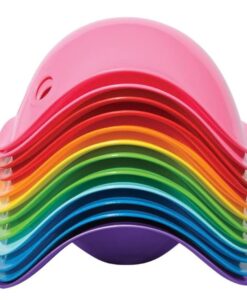
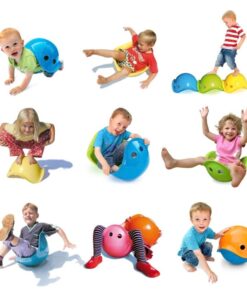
Bilibo Moluk – Balance and Movement Toy


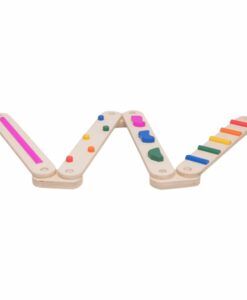
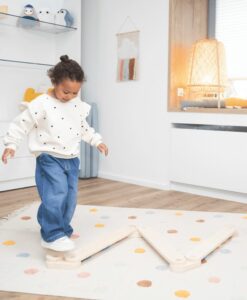
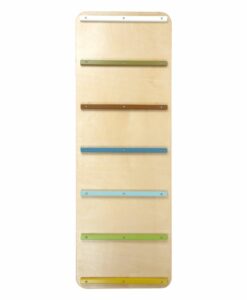
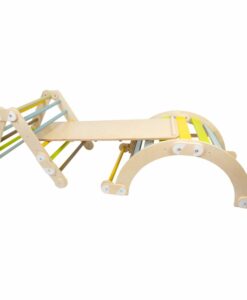


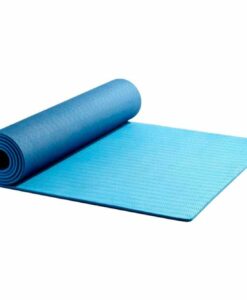
Body mat
A child who moves well learns better, and that isn’t a slogan: sustained posture, balance and body awareness are the foundation for things that look nothing like movement — sitting and attending, or writing without tiring.
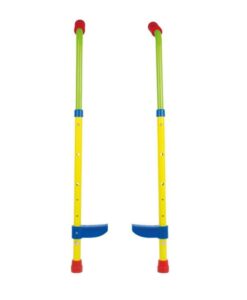
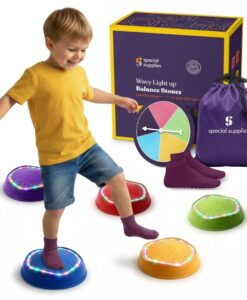
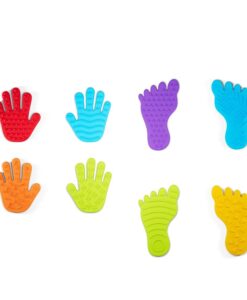
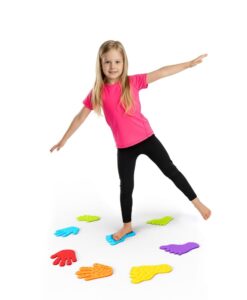
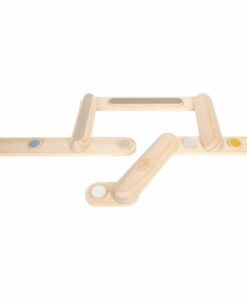
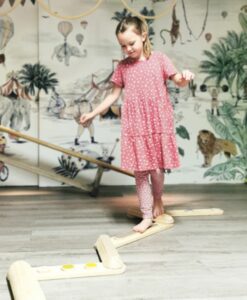
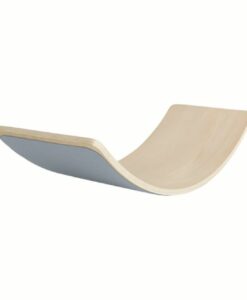
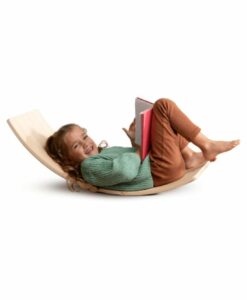
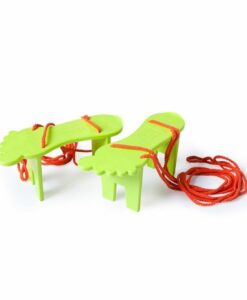
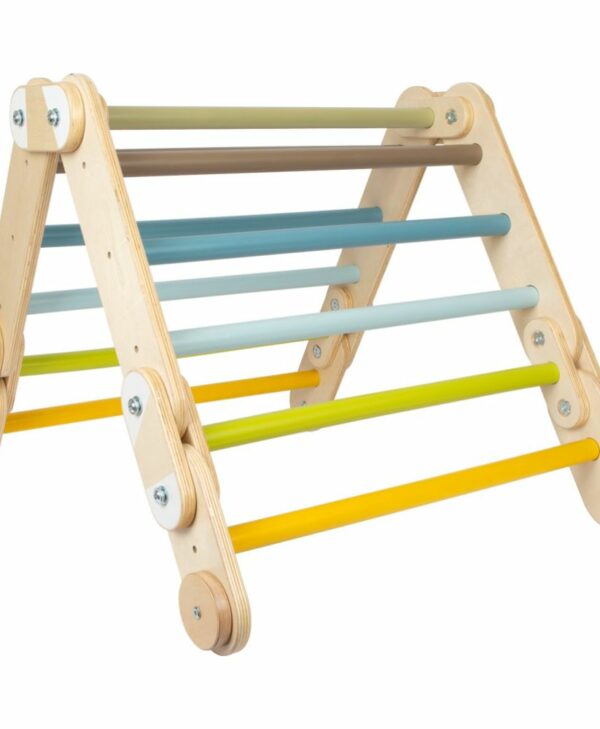
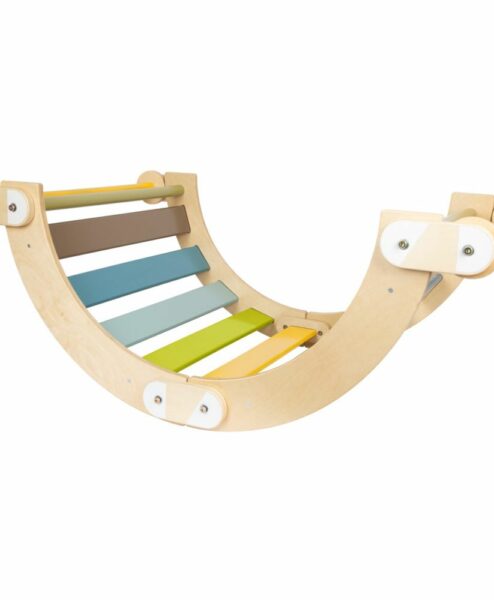
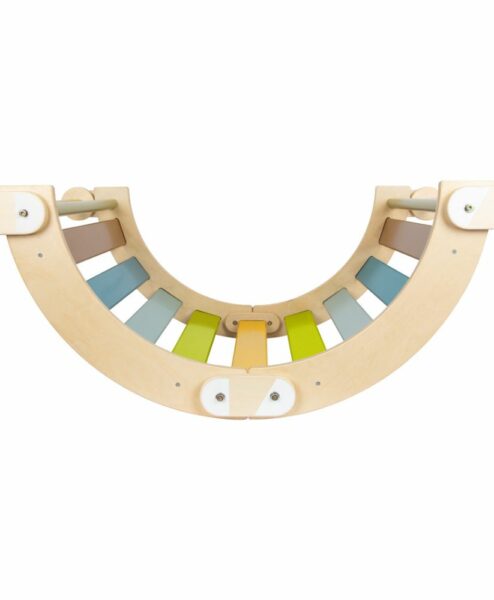
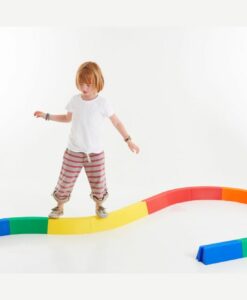
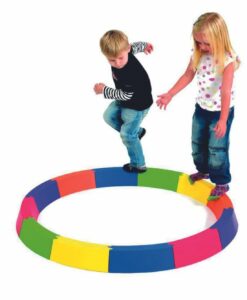
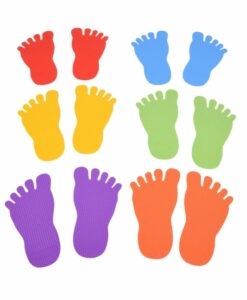
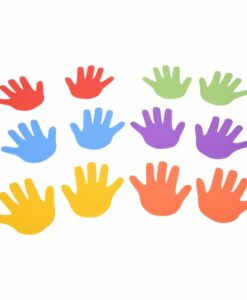
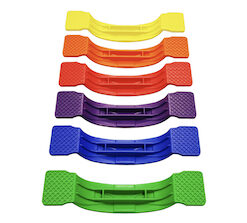
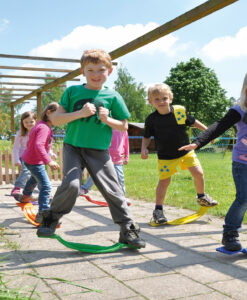
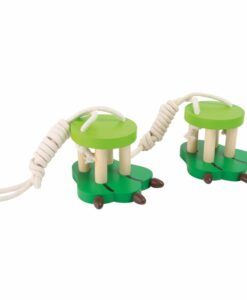
Here you’ll find equipment for building complete motor circuits: balance beams and boards, platforms, curved boards, a Pikler triangle, stilts, sensory paths, and hand and foot prints for marking routes.
It is part of areas of development and complements fine motor skills.
Building a motor circuit that works
- Activation. Big movements: running, jumping, crawling between cones. Raises tone and discharges energy.
- Balance and control. Beams, boards, platforms. The pace drops and concentration appears, because you can't rush a beam.
- Strength and proprioception. Pushing, dragging, climbing, carrying. The most organising part for the nervous system.
- Calming down. Slow movement, floor work, breathing. Without this phase the child returns to class wired.
One practical note: hand and foot prints are among the best-value items. They cost little, mark the route without explanation, and turn any corridor into a circuit.
Balance: what's actually being trained
When a child walks a narrow beam, three systems are working at once and none of them is visible.
The vestibular system in the inner ear detects head position and movement. Proprioception, in muscles and joints, reports where body parts are without looking. And vision supplies the external reference. Balance is the integration of all three, which is why practice improves it so much.
A simple way to grade difficulty without new equipment: narrow the base, remove visual reference, add a task, or make the surface unstable.
The Pikler triangle and free movement
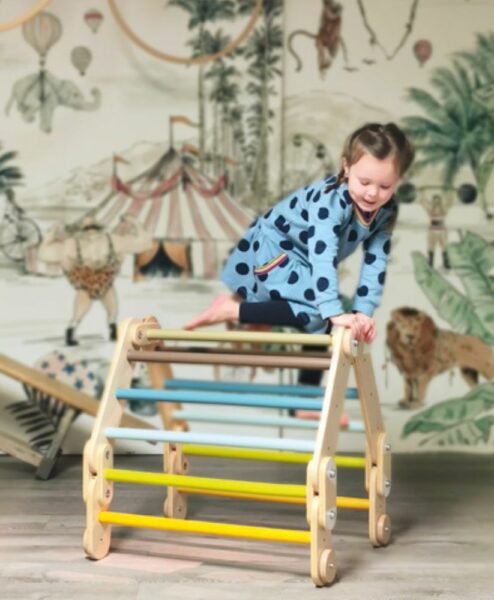
The triangle comes from Emmi Pikler's approach, and its central idea is simple and fairly radical: a child doesn't need to be taught to move. They need a safe environment, time, and an adult who doesn't place them in positions they haven't achieved themselves.
So you don't lift a child onto the triangle: you leave it available and they climb when their body is ready. That guarantees two things — they're never at a height they can't control, and the confidence they gain is genuinely theirs.
Gross motor work and regulation
For many children — particularly with ADHD, autism or a sensory-seeking profile — a motor circuit isn't just physical work: it's the most effective way of regulating. Intense proprioceptive input has an organising effect on the nervous system that no verbal instruction achieves.
Hence a very practical recommendation: use movement before the task that demands stillness, not as a reward afterwards.
Frequently asked questions about gross motor equipment
What basic equipment do I need to start?
A little goes a long way: some beams or a balance board, something to climb, prints to mark routes, and something unstable. That's enough for very varied sessions. The large equipment can wait.
What age is each item for?
The Pikler triangle from when a baby pulls to stand, around 9-10 months. Beams and boards from 2-3 years. Stilts and unstable surfaces around 4-5, once dynamic balance is underway. Always supervised and over a cushioned surface.
Is climbing safe?
Yes, on two conditions: they climb unaided — no adult lifting them up — and the floor absorbs. A child climbing by themselves won't reach a height they can't control; their body stops them first. The risk appears precisely when an adult puts them there.
Does it help very active children?
It's among the most effective options, provided it's used before the still task rather than as a reward. Intense loaded movement has an organising effect and tends to reduce disorganised movement-seeking afterwards.