




Rocking and balance
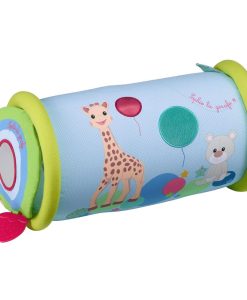
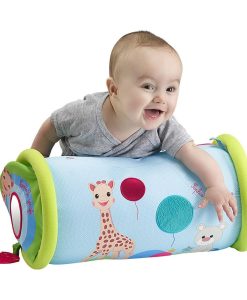
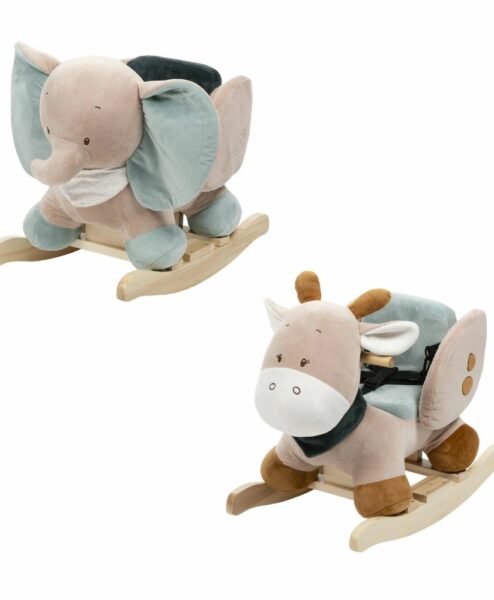
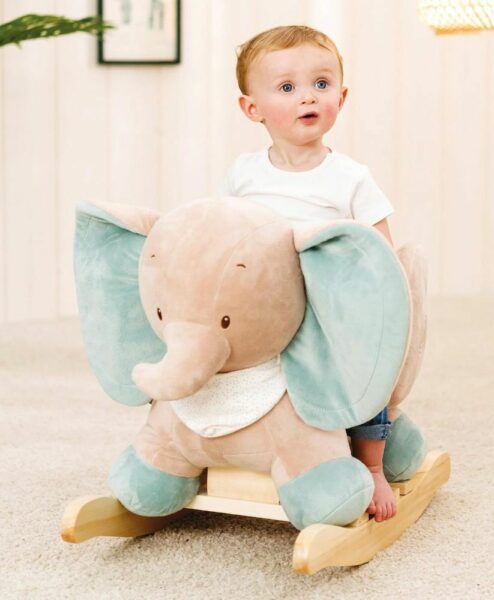
Velvet animal rocking horse – rocking
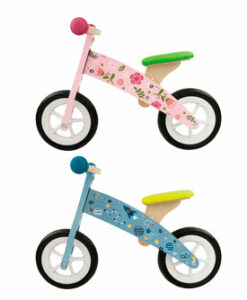
Wooden bicycle without pedals
Rocking isn’t just fun: it’s the oldest and most effective way of organising the vestibular system, the sense that tells the brain where the body is in space and in what position. Everything that later becomes balance, posture and movement control rests on it.
Here you’ll find wooden climbing-arch rockers, padded animal rockers for the youngest, and pedal-free balance bikes for once they’re walking confidently.
It is part of baby motor stimulation and continues in on wheels and first steps.
What the vestibular system is, and why rocking works it
The vestibular system sits in the inner ear and detects head movement: acceleration, rotation, tilt. It's what tells us whether we're upright or leaning without having to look. When it works well it goes unnoticed; when it doesn't, you see children who fall a lot, who seek movement constantly, or the opposite — who avoid swings and feel sick easily.
Slow, rhythmic rocking — back and forth, always on one axis — is the most organising vestibular input there is, which is why it tends to calm. Fast movement with spins and direction changes does the opposite: it alerts. Knowing this lets you use a rocker deliberately: slow rocking before sleep, livelier movement to wake the body in the morning.
Which rocker at which age
- Padded animal rocker (12 months-3 years). Low seat, back or handles, soft upholstery. The safest entry point: the child gets on and off unaided and there's no height to worry about.
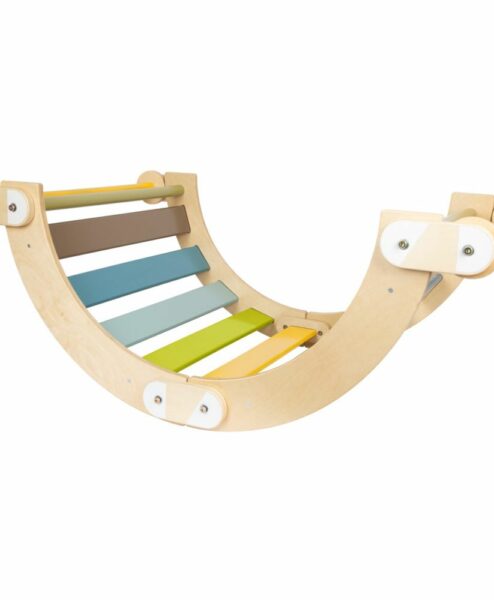
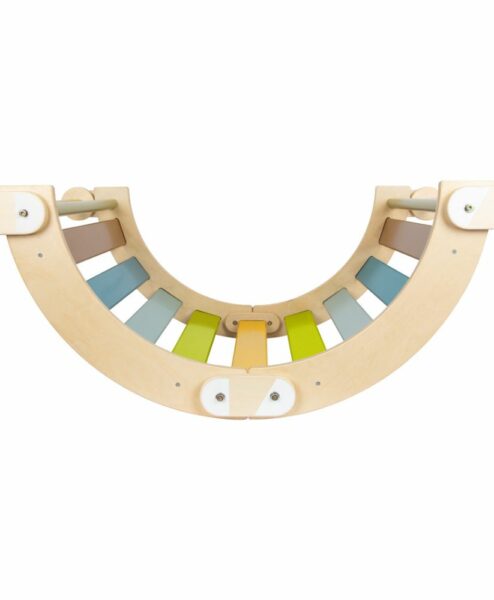
- Wooden climbing arch (18 months-5 years). The most versatile piece in motor play: a rocker one way up and, flipped over, a ramp, ladder, slide, tunnel or den roof. It grows with the child for years.
- Balance bike (2-5 years). No longer rocking but real dynamic balance. With no pedals the child focuses purely on not falling, which is the genuinely hard part of cycling; the move to pedals afterwards is usually a matter of days.
Rocking in sensory integration
In occupational therapy, vestibular input is one of the most-used regulation tools. With children who are hypersensitive to movement it's introduced very gradually, in small ranges and always with feet able to touch the floor, because the feeling of losing control is genuinely distressing. With children who seek movement relentlessly — often read as hyperactivity — the opposite applies: they need high, frequent doses, and providing them in an organised way tends to reduce disorganised seeking for the rest of the day.
One important detail: vestibular input is powerful and its effects last longer than they appear to. Short sessions and watching the child's response beat long ones. Where hypersensitivity is marked, an occupational therapist should guide the progression.
Frequently asked questions about rockers
From what age can a baby use a rocker?
Padded rockers with a backrest are usually recommended from 12 months, once the child sits steadily and controls their trunk. Wooden climbing arches from around 18 months. In both cases, always supervised and over a surface with some give.
Does rocking calm or excite a child?
It depends on the rhythm. Slow, rhythmic, single-axis rocking tends to calm and organise, and works well before sleep or after a tense moment. Fast movement with spins or direction changes is alerting. The same rocker does both jobs depending on how it's used.
What is a climbing arch for?
It's a dual-purpose motor play piece: one way up it's a rocker; flipped over it becomes a ramp, ladder or climbing frame. It works balance, strength, motor planning and imaginative play, and because the use changes with age, it's one of the longest-lasting materials you can buy.
Balance bike or stabilisers?
A balance bike teaches the genuinely hard part first: staying balanced. Stabilisers do the reverse — they let a child pedal without balancing, which then has to be unlearned. That's why most children who start on a balance bike move to a pedal bike within days, with no intermediate stage.