




Accessories
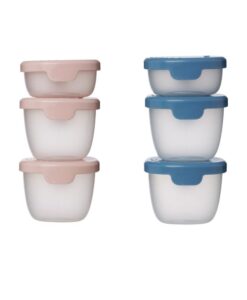

Depósitos herméticos para fiambrera · pack de 3 – b.box



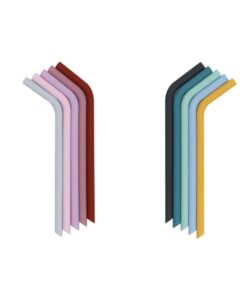
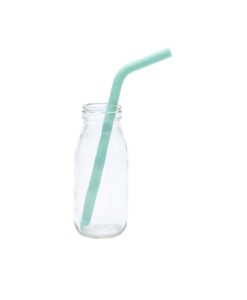
Pajitas de silicona reutilizables – Boquilla curva


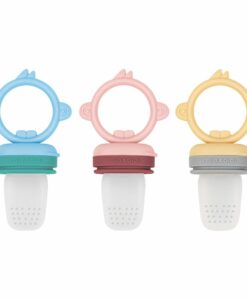
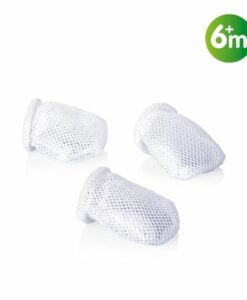
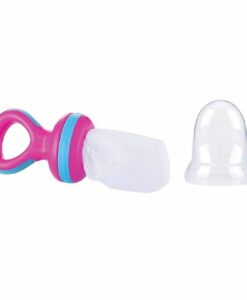
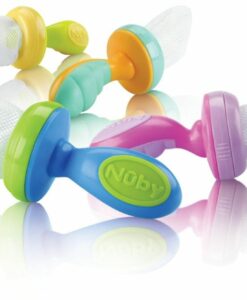
Silicone chewing net – Pulps
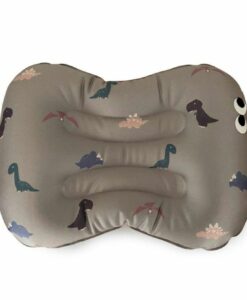
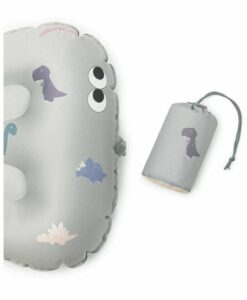
Reducer inflatable cushion for chair
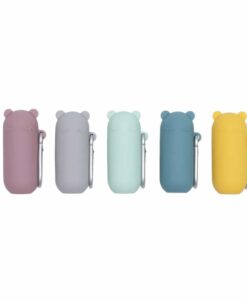
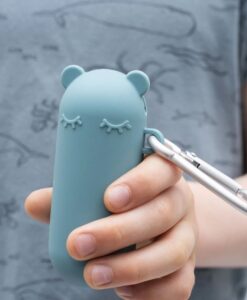
Reusable silicone straws with case

Accessories are the small pieces that solve specific problems: the straw you can wash and reuse, the mesh that lets you offer whole fruit without worrying, the pot that stops the lunch box turning into soup, or the ice pack that keeps food cold until break time.
Here we’ve gathered reusable silicone straws, baby feeders, chewing mesh feeders and lunch box and high-chair extras.
They complement baby tableware, cups and bottles and lunch boxes.
The mesh feeder: what it is and when to use it
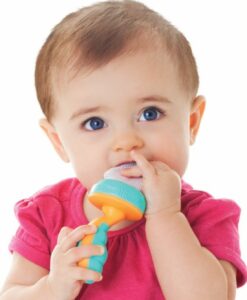
A chewing mesh or feeder bag is a handle with a silicone or fabric mesh that you load with a piece of food. The baby bites and sucks, and only very small particles and juice come through: no whole piece can break off.
It's used in two different scenarios. First, for teething: with cold or frozen fruit inside, it soothes the gums while keeping the baby occupied. Second, and more interesting, for introducing solids where there is fear of choking or a history of swallowing difficulties: it lets the child experience taste, temperature and the act of chewing with tightly controlled risk.
Think of it as a bridge rather than a destination: it's an intermediate step towards real chewing, not a permanent substitute. Where there's a diagnosed difficulty, the specific equipment is under chewing.
Reusable silicone straws
Beyond the obvious — they don't break, don't get thrown away, and wash clean — silicone straws have two practical advantages. They're soft, so a knock with the straw in the mouth doesn't hurt, which matters with small children or limited postural control. And they come in different widths and lengths, letting you adjust the sucking effort.
That last point is what speech and occupational therapists make use of: moving from a wide, short straw to a narrow, long one grades work on lip closure and cheek strength without it feeling like an exercise. They pair with straw cups.
Feeders, ice packs and lunch box extras
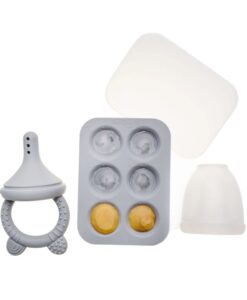
- Silicone feeder: similar to a mesh feeder but one-piece, easier to clean and with no fabric for residue to hide in.
- Sealed pots: small containers that sit inside the lunch box for yoghurt, sauce or chopped fruit, keeping the sandwich dry.
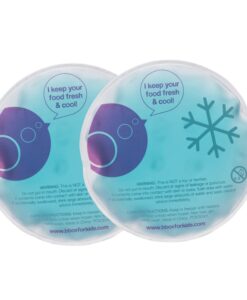
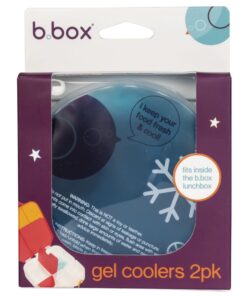
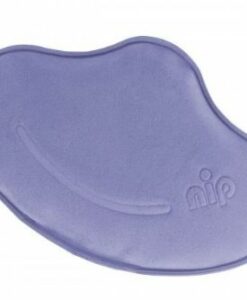
- Gel ice packs: freeze them overnight and food stays cold until mid-morning. Essential with dairy in spring and summer.
- High-chair insert cushion: improves seated posture, and stable posture is the foundation of safe eating: an unstable child spends on holding themselves up the attention they should be spending on eating.
Frequently asked questions
What is a mesh feeder for?
It lets a baby try solid foods — fruit, cooked vegetables, ice — without being able to break off a large piece. The mesh only passes very small particles and juice. It's used during teething with cold fruit, and when introducing solids where you want to reduce risk while the baby learns to chew.
From what age can a feeder be used?
From the start of weaning, around 6 months, always with the baby seated and supervised. Like any feeding utensil, it should never be used lying down, in the car, or without an adult present.
Can silicone straws be boiled?
Food-grade silicone handles boiling water and the dishwasher. The key is cleaning the inside with the thin brush usually included: that's where residue collects, and a straw can look clean without being clean.
How do you clean a mesh feeder?
Open it fully, rinse straight away — before the pulp dries — and wash with hot soapy water. One-piece silicone versions are considerably easier to maintain than fabric ones, which need checking regularly and replacing as they wear.