




Kids' Lunch Boxes and Food Containers
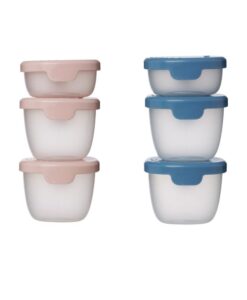

Depósitos herméticos para fiambrera · pack de 3 – b.box
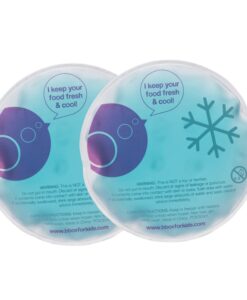
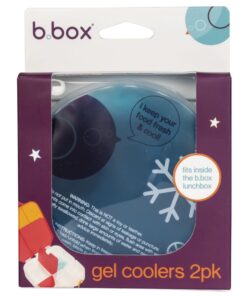
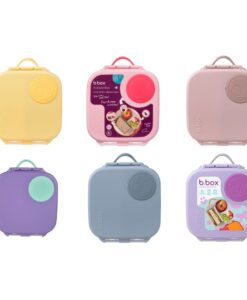

Fiambrera infantil Mini Lunchbox – b.box


Fiambrera de snacks infantil Snackbox – b.box
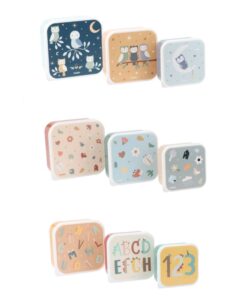
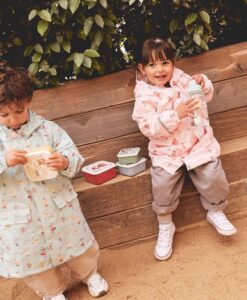
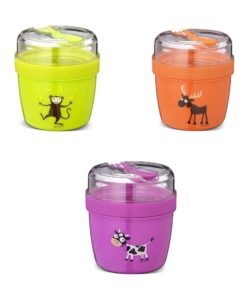
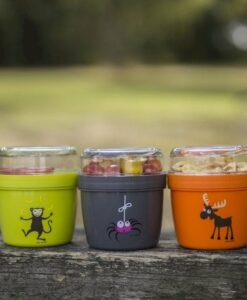
Fiambrera refrigerada circular – Snack N’ice Cup


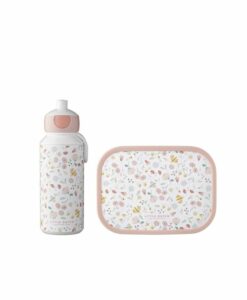
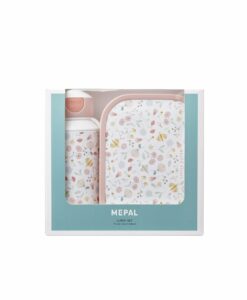
Lunch Pack – Campus
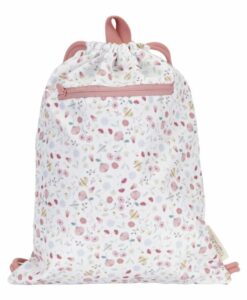
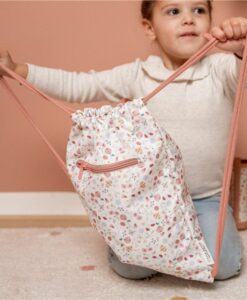
Backpack bag with pocket
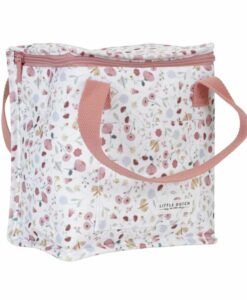
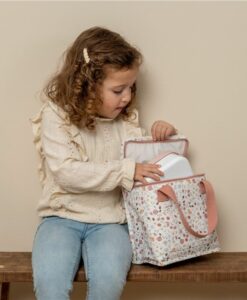
Thermal lunch bag

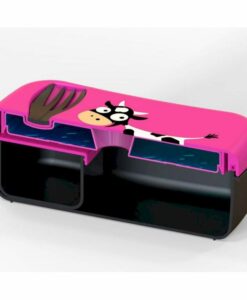
Refrigerated Lunch Box – N’ice Box
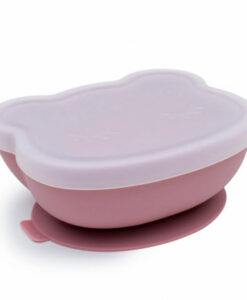
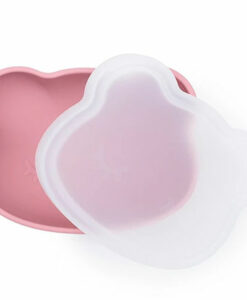
Bol de silicona con ventosa y tapa Oso
A children’s lunch box isn’t just a small container: it’s a box the child has to be able to open on their own, in the middle of the playground and in a hurry. That’s where many fail — lids that are too stiff, catches that jam, or compartments that all pop open at once and mix everything together.
At logopedicum we choose lunch boxes and containers with independence in mind: catches a child can manage unaided, separate compartments so the fruit doesn’t soak the rest, BPA-free materials and realistic snack or meal sizes.
They belong to baby feeding and pair with cups and bottles and baby tableware.
How to choose a school lunch box
- They must open it themselves. That's criterion number one. If an adult is needed, the child either doesn't eat or loses half of break time.
- Compartments. Keeping the sandwich away from the fruit avoids the classic "I didn't eat it because it was soggy".
- Genuine leak resistance if it will carry yoghurt, chopped fruit or sauce — look for a gasketed seal.
- An honest size. An oversized, half-empty box is discouraging; one matched to what they actually eat isn't.
- BPA-free materials and, for hot food, microwave-safe.
Opening the box is a goal in itself
In occupational therapy and school-independence work, opening the lunch container is a concrete, measurable task: it takes grip strength, bilateral coordination and motor sequencing. Many children with fine-motor difficulties fall behind on precisely that step, not because they can't feed themselves. Choosing a catch at their level — and raising the difficulty once they master it — turns lunchtime into daily practice rather than a source of frustration.
Frequently asked questions about kids' lunch boxes
What size does a preschool child need?
For a mid-morning snack a small one- or two-compartment container is enough. For a full meal at the canteen or on a school trip, a multi-compartment box works better. Better to go slightly small and see it finished than to send a huge one back half-eaten.
Are they microwave and dishwasher safe?
It depends on the material and model — check each product page. As a rule, lids with a silicone gasket come off before heating, and stainless steel never goes in the microwave.
Which catch is best if the child struggles to open it?
Large tab or side-clip catches are easier than full press-on lids, because the child can push with a thumb at one specific point rather than prising the whole rim. If it's still hard, start with the lid simply resting on top and close it further as their strength grows.