




Cups and bottles
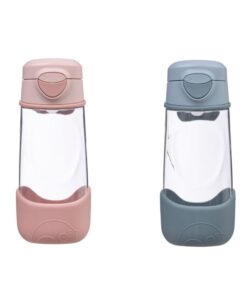
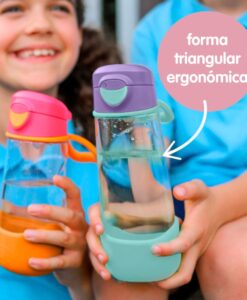
450 ml kids’ water bottle with spout – b.box
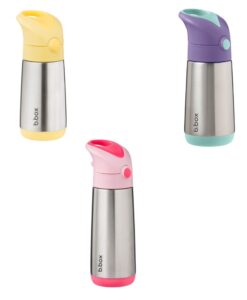
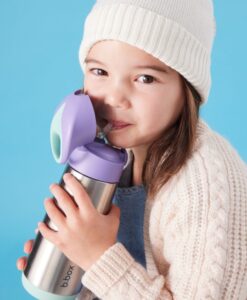
Botella térmica para niños 350 y 500 ml – b.box

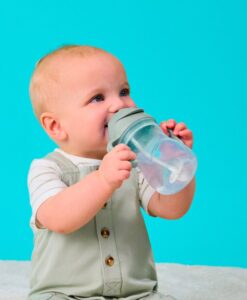
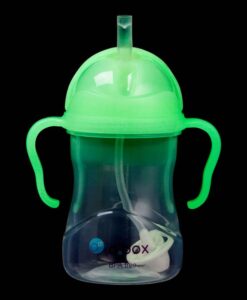
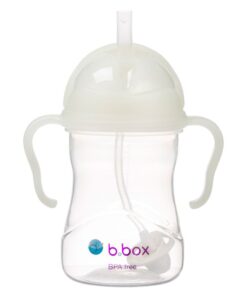
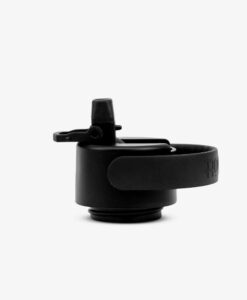
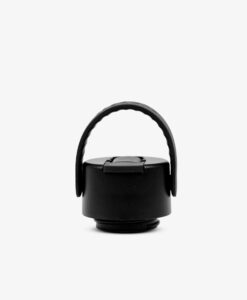
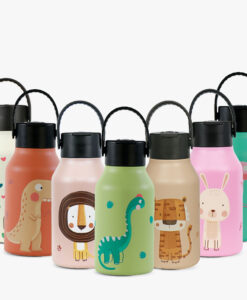
Children’s Insulated Bottle – Runbott
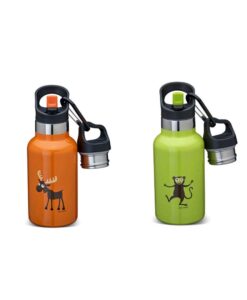
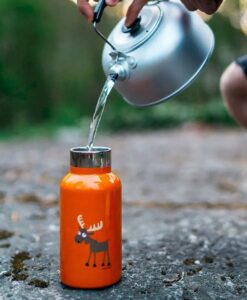
Botella térmica – Acero inoxidable TEMPflask 350ml
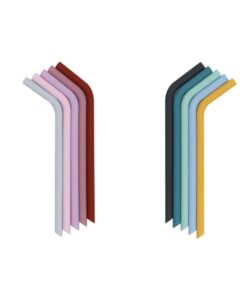
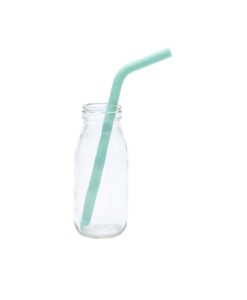
Pajitas de silicona reutilizables – Boquilla curva


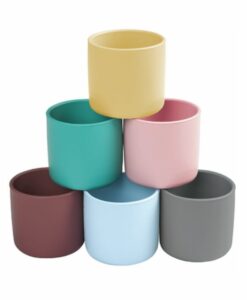
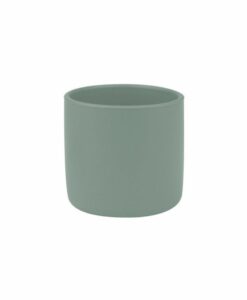
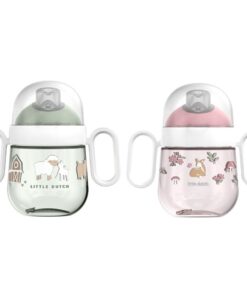
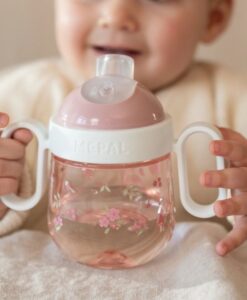
Spill-proof cup with handles – Mio
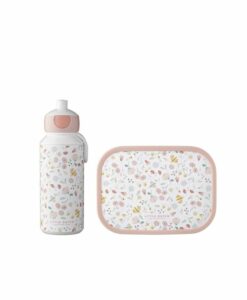
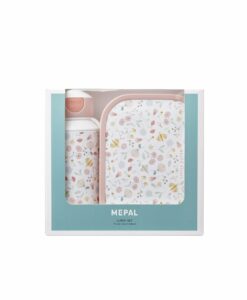
Lunch Pack – Campus
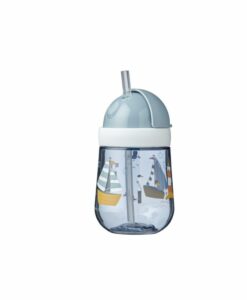
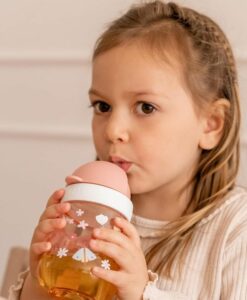
Tumbler with straw and closure – Mio
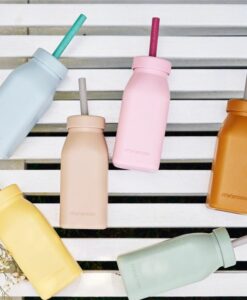
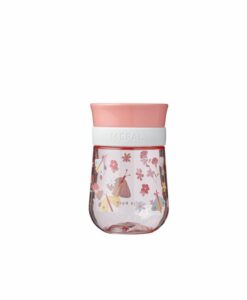
360º Spill-proof cup
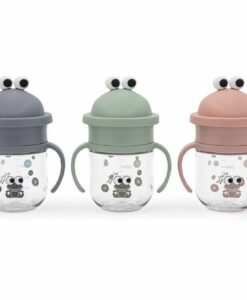
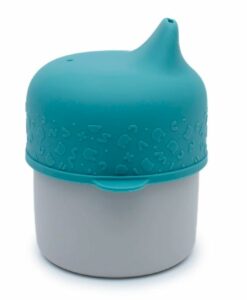
360º learning cup
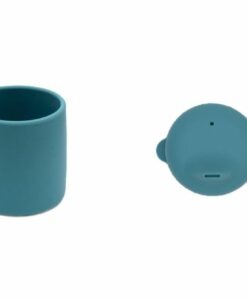
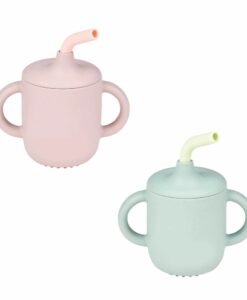
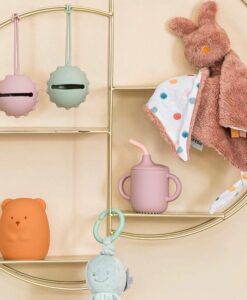
Cup with handle and straw – Silicone
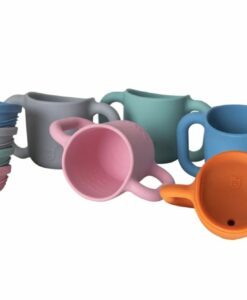
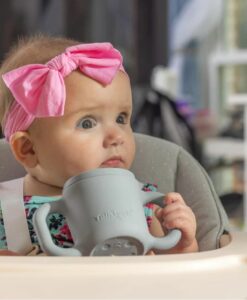
Itsy silicone cup with straw – Talk Tools
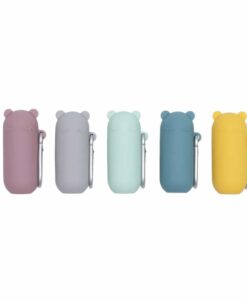
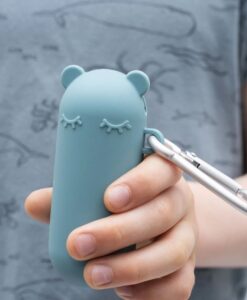
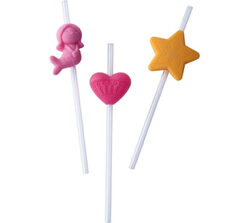
Reusable silicone straws with case
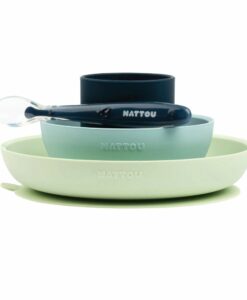
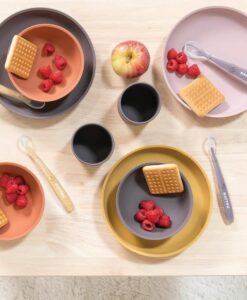
Elegant silicone tableware
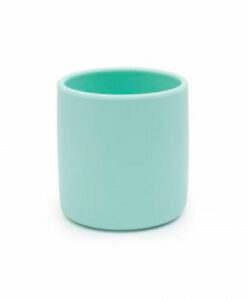
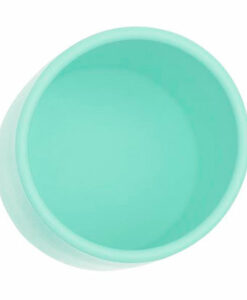
Silicone cup
Moving from bottle to cup isn’t a change of container: it’s a change of oral pattern. With a bottle the baby sucks; with a cup they have to sip, controlling lip and tongue differently. That’s why the order in which cups are introduced matters more than it seems.
Here you’ll find the whole sequence: learner cups with handles, 360° cups you can drink from at any point on the rim, straw cups, and water and insulated bottles for school.
They are part of baby tableware and pair with plates, cutlery and accessories, where you’ll find replacement silicone straws.
The recommended sequence: from teat to cup
- Small open cup (from 6 months). With help, short sips. It sounds premature and isn't: it's the most functional pattern and the one with least to unlearn later.
- 360° cup (8-12 months). Drink from anywhere on the rim; it seals itself. It reproduces the open-cup action without the mess, making it the best real substitute.
- Straw cup (10-18 months). Adds suction, but a different kind from a bottle, and works lip closure and cheek strength.
- Spout or sport bottle (from 2-3 years). For school and the backpack; no longer learning, just independence and logistics.
Hard-spout beakers: why they're best avoided
The classic spill-proof beaker with a rigid valved spout imposes a sucking pattern very close to a bottle's, with the tongue forward, pushing against the spout. Occasional use is harmless; daily use over months can reinforce an atypical swallow and prolong a pattern that later has to be corrected.
The alternatives are simple: a 360° cup for everyday use at home and a straw cup when it needs to travel. If questions arise about the swallowing pattern, that's a matter for speech and language assessment; there is specific equipment under swallowing and feeding.
The straw as an oral-motor tool
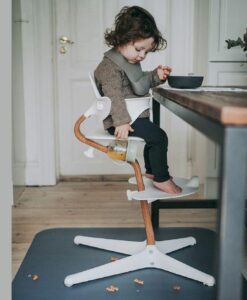
Drinking through a straw isn't just convenient: it requires firm lip closure, cheek tension and suck-swallow-breathe coordination. That's why straws — particularly sets of varying width and length — are used in speech therapy as a functional exercise, far more motivating than doing oral exercises in front of a mirror.
The narrower and longer the straw, the more effort it takes. Starting with a wide, short straw and a thin liquid, then progressing to narrow straws or thicker textures, gives you a gradable progression you can work on at home without the child experiencing it as a task.
School bottles: what to look for
- They must open it themselves. Same rule as the lunch box: if help is needed, they don't drink.
- Genuine leak resistance, because it travels on its side in a bag full of books.
- A wide mouth so it can be cleaned properly inside and take ice.
- Insulated stainless steel if you want cold water at five in the afternoon; light plastic if weight is the issue.
- Available spares for spout, straw and seal: they're the first things to be lost or chewed.
Frequently asked questions about kids' cups and bottles
When do you move from bottle to cup?
You can start offering a cup from 6 months alongside solid food, and the general recommendation is to have dropped the bottle by around 12-18 months. The exact date matters less than not stretching bottle use over years, given its effect on the palate, tongue position and teeth.
What is a 360° cup and why is it recommended?
It's a cup with a silicone lid and a valve around the rim: the child drinks with their lip anywhere on the edge, as with a normal cup, and the valve closes when they stop, so it doesn't drip. It's recommended because it trains the open-cup pattern without building a sucking habit on a rigid spout.
Are straw cups good or bad for teeth?
The straw itself isn't the problem — it actually reduces contact between liquid and the front teeth. What matters is the contents: water whenever possible, and avoiding all-day sipping of juice or sweetened drinks, which is what really causes decay.
Are they dishwasher safe?
Most are, but take every part off first — lid, valve, seal and straw. Silicone seals are where mould builds up, and a "clean" cup with the seal still fitted often isn't.