




Reading and writing
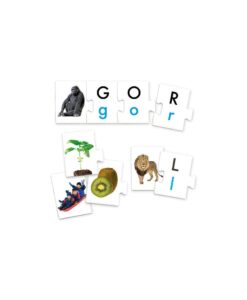
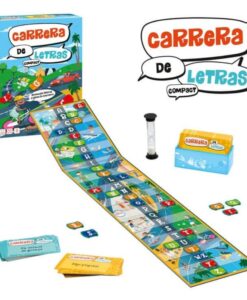
Carrera de letras
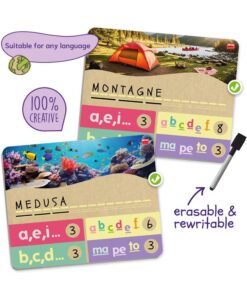
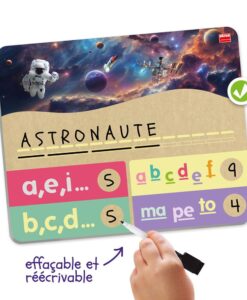
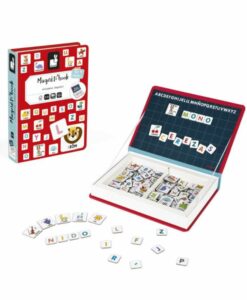
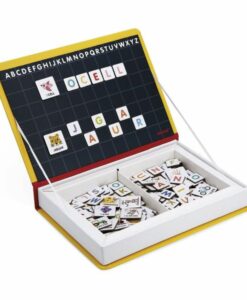
Magneti’book – Alphabet
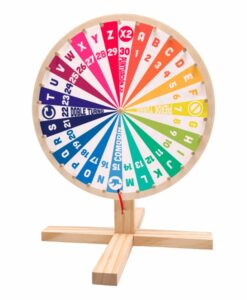
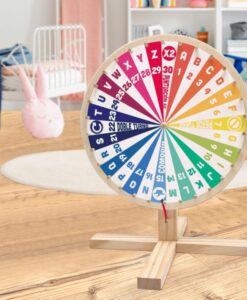
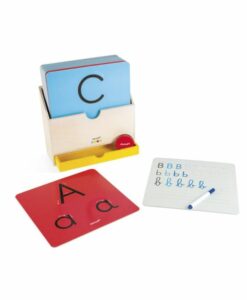

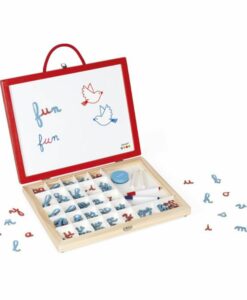
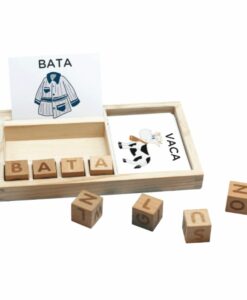
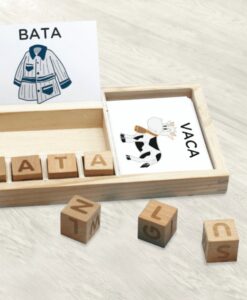
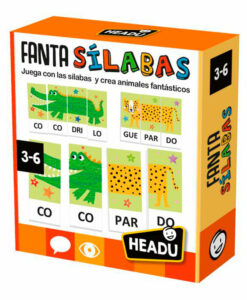
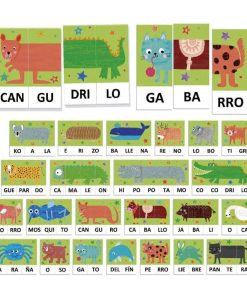
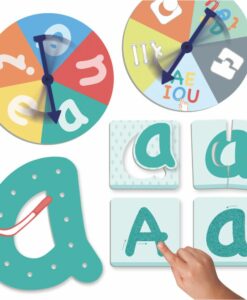
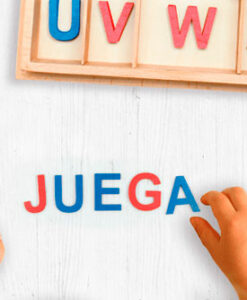
Wooden alphabet maxi
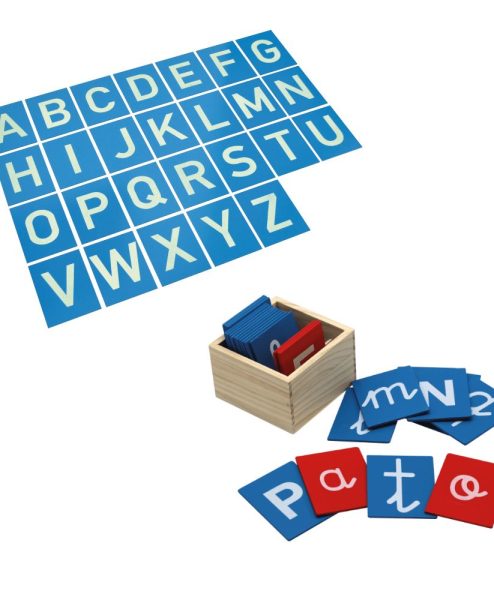
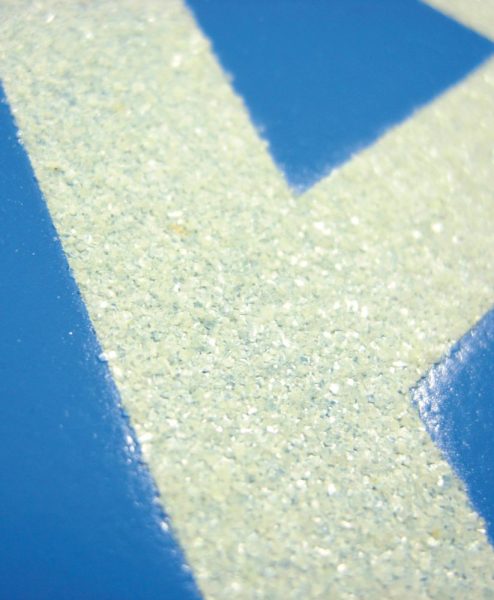
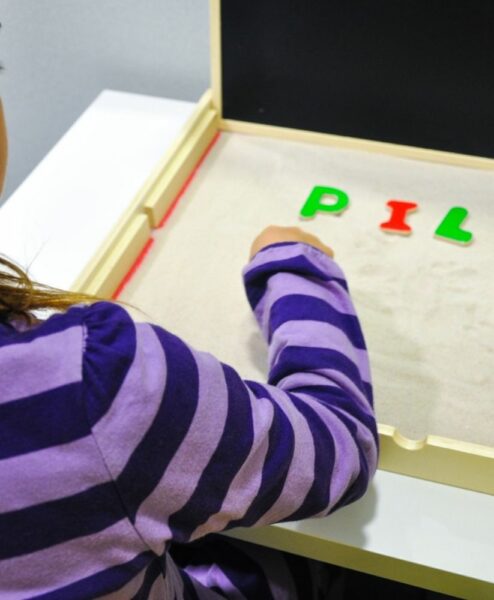
Montessori textures alphabet
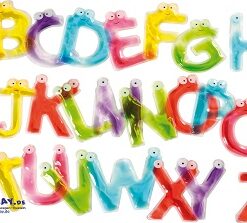
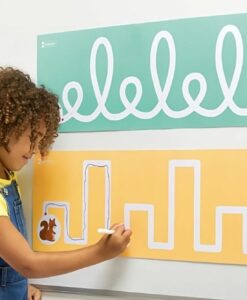

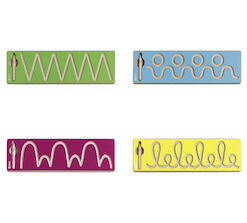
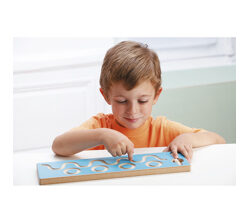
Giant graphic tracks – XL
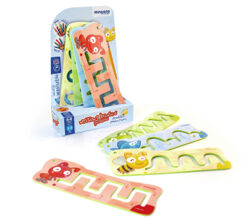
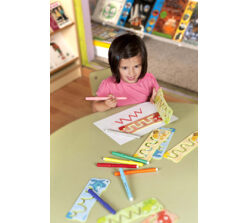
Graphical tracks
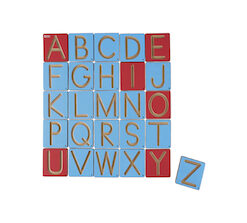
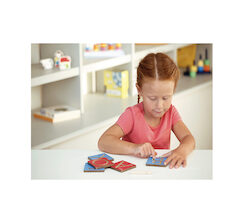
Before a child writes a letter, they need to have traced it with a finger many times. That is the order this corner follows: the stroke with the body first, the stroke with the pencil after. Skipping the first step is what produces notebooks full of copied letters the child cannot recognise on their own.
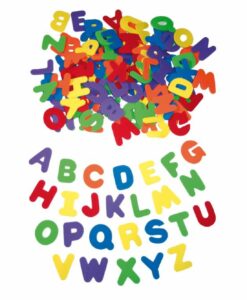
Here you will find the hands-on material that stays set up on the table: sandpaper letters — textured alphabets in print and cursive —, tracing guides, translucent stencils, pre-writing trays, magnetic strips and wooden alphabets.
It is part of the learning corners and works alongside the language corner. For play material to use at home, see reading and writing games.
Sandpaper letters: why they are still in use a century on
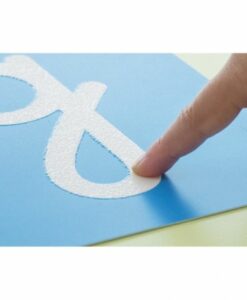
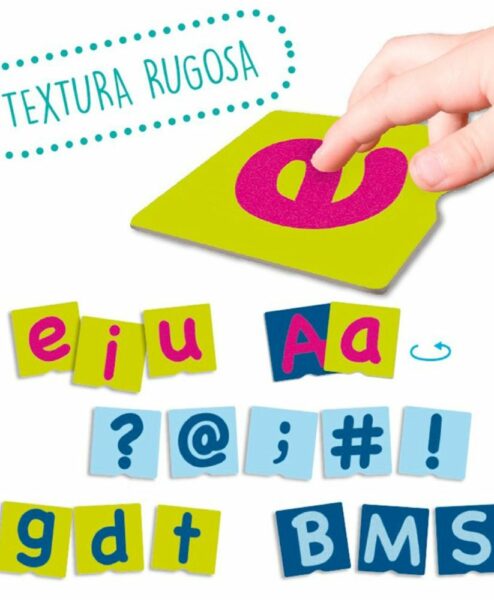
Maria Montessori introduced them around 1907 and nothing better has replaced them, which tells you something. The idea is that the letter comes in through three channels at once: it is seen, touched and heard — the adult says the sound while the child traces the letter with two fingers.
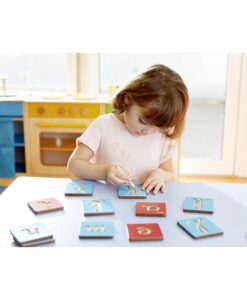
What the rough surface does is give feedback without correction. If the finger leaves the stroke, the texture changes and the child notices unaided, with nobody telling them they are wrong. That silent self-correction is the difference from a worksheet, where the error only exists once an adult points at it.
One detail that gets missed: you always trace in the direction of writing, from where the pencil would start. You are recording the motor gesture, not just the shape. A child who has traced the letter properly writes it in the right sequence from the start, which saves months of unlearning reversed letters.
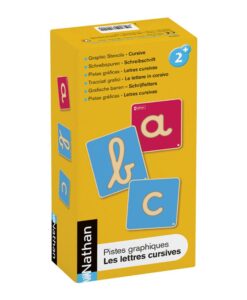
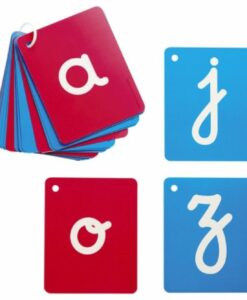
On cursive versus print: both exist. In cursive the stroke is continuous, without lifting the finger, which helps internalise the join between letters before writing it.
The order of the corner: from body to pencil
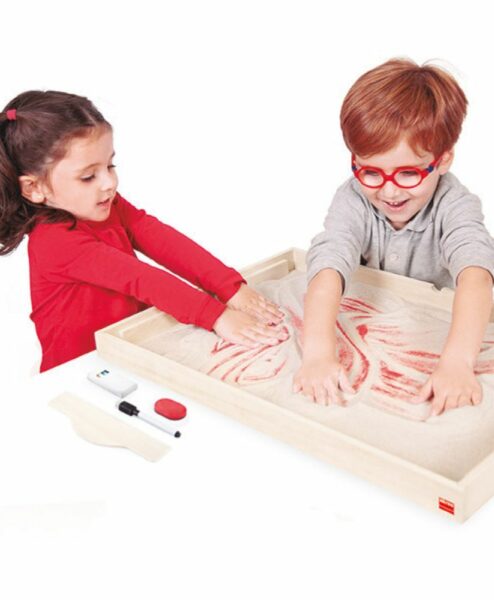
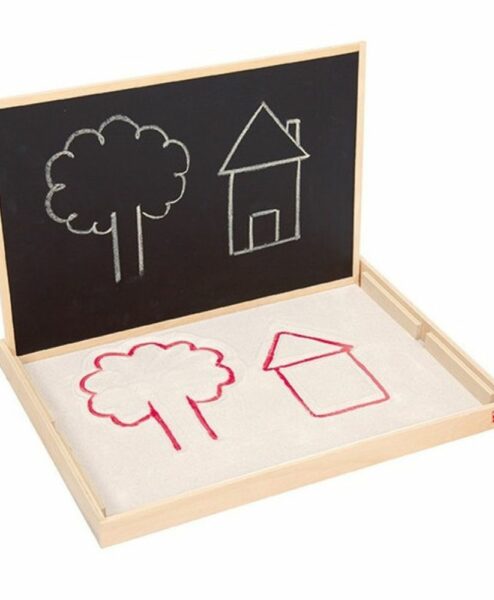
- Large strokes, no tool. Sand or semolina tray, bare finger. With no pencil there is no grip to correct.
- Textured strokes. Sandpaper letters and tactile cards. This is where sound joins the gesture.
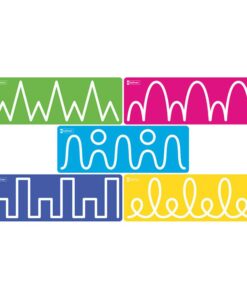
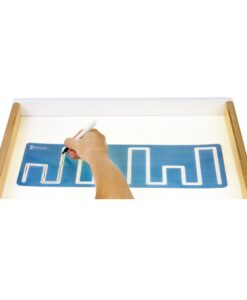
- Guided strokes. Tracing guides and translucent stencils, which provide a channel. Giant ones first, small ones later.
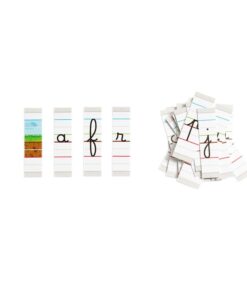
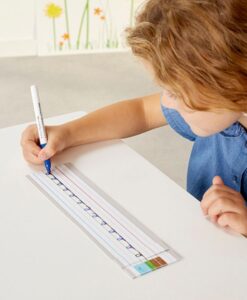
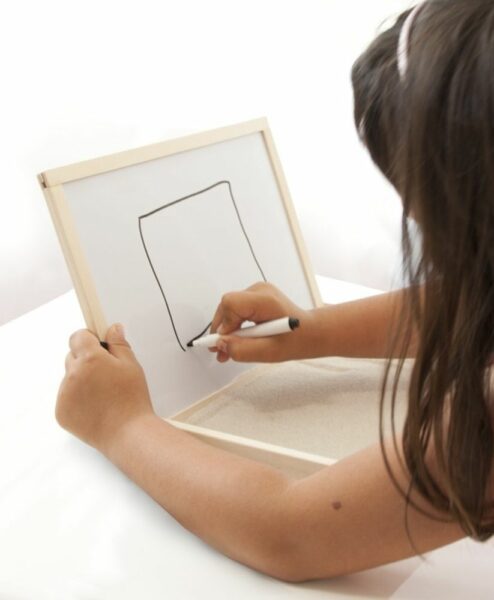
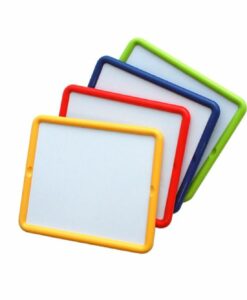
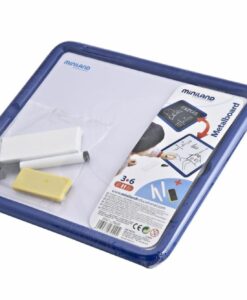
- Free strokes on a wipeable surface. Double-sided board, magnetic strips. Mistakes wipe away without a trace.
- Paper. Last, not first.
Each step can take weeks and that is fine. What costs you is starting at five.
Setting it up for 25 children
Material that explains itself. In a corner, the adult is not there. If an activity needs instructions every time, it is not corner material: it is guided-session material.
Closed trays, one activity per tray. Everything needed inside, nothing loose. Take it, use it, put it back.
Few letters at a time. The whole alphabet on the table overwhelms. Three or four letters, the ones being worked on, rotated.
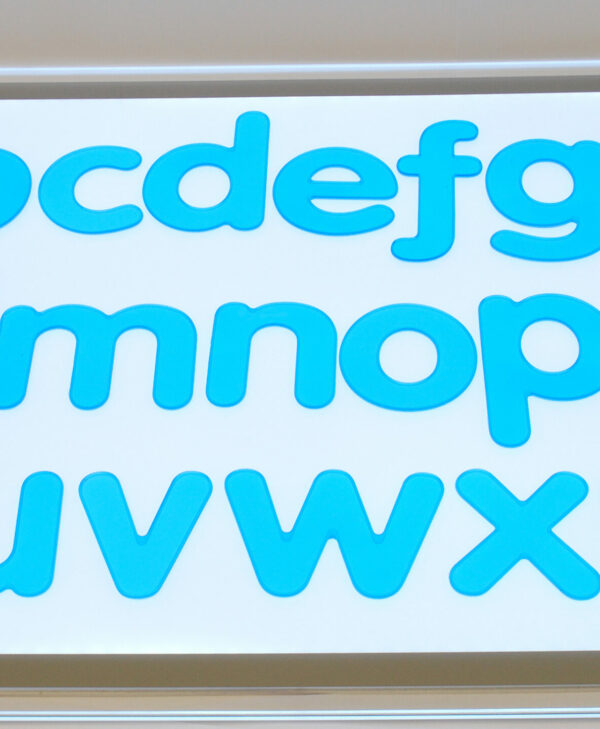
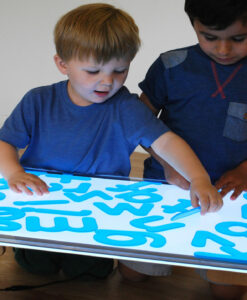
Translucent if there is a light table. Translucent stencils are transformed on a light surface: the stroke glows and engages children that paper does nothing for.
Frequently asked questions
What are sandpaper letters?
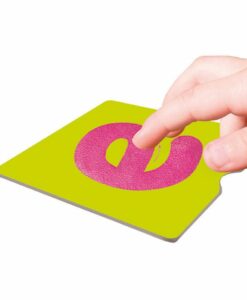
Boards with the letter cut from a rough material on a smooth background. The child traces it with index and middle fingers in the direction of writing, while the adult says the letter's sound — not its name. They combine sight, touch and hearing, and the texture itself signals when the finger leaves the stroke.
What age do you start?
Around age 3, once there is interest in symbols and enough finger control to follow a stroke. There is no rush: starting earlier does not bring writing forward, and pushing usually produces resistance.
Do you say the letter name or the sound?
The sound. You say "sss", not "ess". Letter names do not help with reading: putting "em" and "ay" together does not give you "ma". This small detail is one of the biggest accelerators of, or brakes on, early reading.
Cursive or print?
It depends on the school's method, and it is best not to mix at the start. Cursive has the advantage of the continuous stroke; print is what children see in books. Many classrooms begin with cursive for writing and use print for reading.