




Language


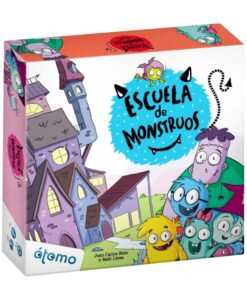
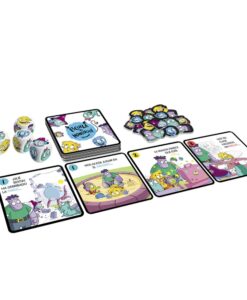
“Escuela de monstruos” – A Game of Rhymes and Language
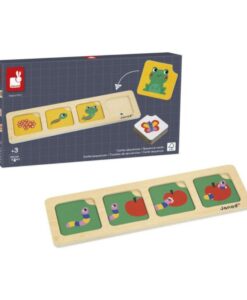
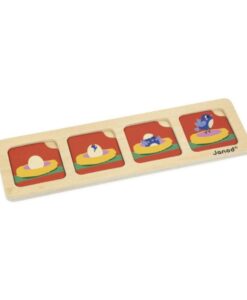
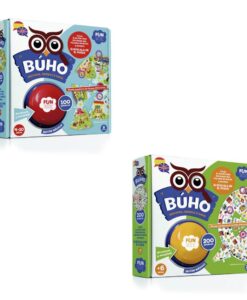
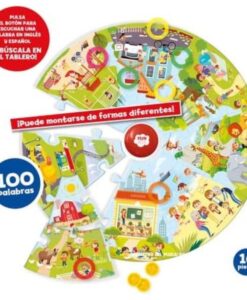
Puzzle búho botón – Juego de mesa de observación y escucha


Picto palabra – Juego de vocabulario







Palabrea

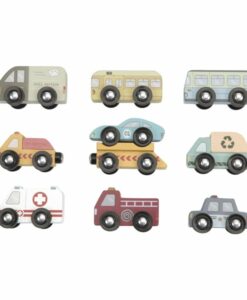
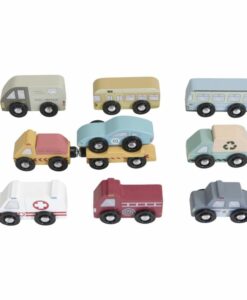




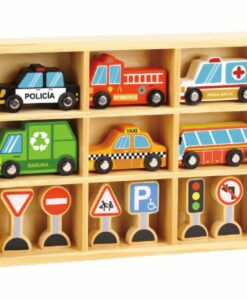
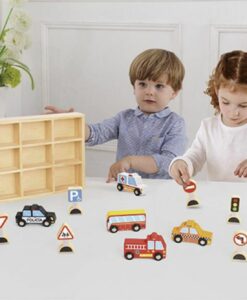


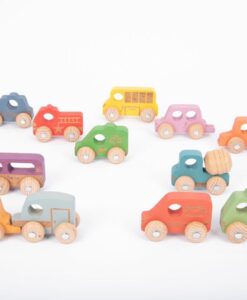
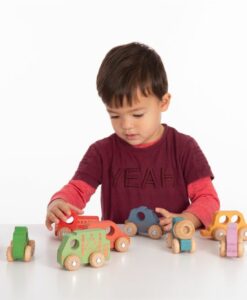
Wooden cars – Rainbow


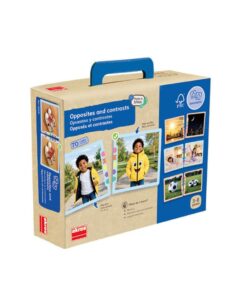
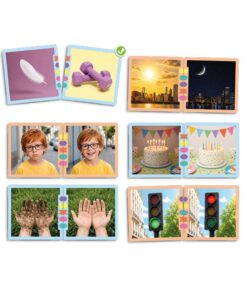
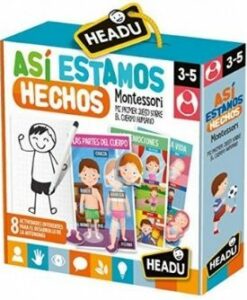
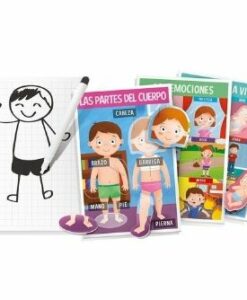


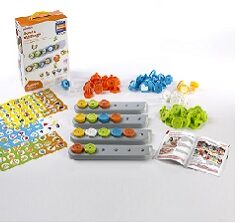
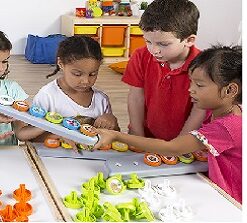
Language is not worked on in a corner: it is worked on all day. But you do need a place holding the things that get a child talking — because talking about nothing does not happen, and the best conversations in an early years classroom start when there is an object in front of you.
Here you will find material that gives children something to talk about: photo cards by semantic field, time-sequencing cards, association lotto, rhyme games, story-making wheels, visual dictionaries of occupations and picture books.
It is part of the learning corners and works hand in hand with the reading and writing corner.
The problem with a language corner: you cannot talk alone
Every other corner works solo. A child sorts, builds or traces with nobody beside them. The language corner does not: it needs someone to talk to. That is why it tends to be the least well-solved corner in the room.
There are three ways round it, and none requires the teacher to be there the whole time:
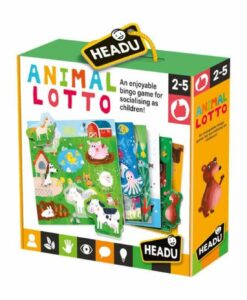
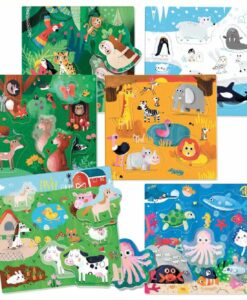
In pairs, with material that forces talk. Association lotto or sorting boxes create natural turns: one asks, one gives. No prompt needed.
Material with the answer built in. Sound puzzles and duo puzzles self-correct — they fit or they don't — so a child can use them alone and still be processing vocabulary.
With the adult, but in short rotations. Ten minutes with three children beats half an hour with twelve. And if you have to choose where to spend those ten minutes, spend them here.
Photo cards: why photographs rather than drawings
It looks like a design detail and it is not. A drawing of an apple is one apple, always identical. A photograph has highlight, shadow, one redder side and maybe a leaf. It resembles the real apple, which is what the child will meet outside.
The practical effect is that the word generalises better. A child who learns "dog" from a pictogram recognises the pictogram; a child who learns it from several photos of different dogs recognises dogs. In work with autism and emerging language that difference shows.
Organised by semantic field — occupations, seasons, the home, animals — they also support what comes hardest later: categorising. "This goes with this because they are both…" is a far harder sentence than it looks, and it underpins verbal reasoning.
Four things you can do with the same material
- Naming. The most basic level and the first to run out.
- Describing without naming. "It's long, yellow and you peel it." Forces the search for attributes and adjectives.
- Sorting and justifying. Group them and say why. This is where "because" appears, the doorway to complex syntax.
- Narrating. With sequencing cards and story wheels. The hardest, and the strongest predictor of later reading comprehension.
The same lotto covers all four levels. What changes is not the material but what you ask of the child while they use it.
Frequently asked questions
What does an early years language corner need?
Four things cover most of it: photo cards by semantic field, time-sequencing cards, an association lotto and a couple of picture books. From there, rhyme games and story wheels extend into phonological awareness and narrative.
Is it the same as speech therapy material?
They overlap a good deal, but no. Therapy material is chosen by linguistic component and therapeutic goal, in one-to-one sessions. A classroom language corner is chosen for something else: that it works in pairs or small groups, without a permanent adult, and explains itself.
How does it work if the children cannot read?
That is exactly why the material is all visual: photographs, picture sequences, association puzzles. No reading required. Reading lives in the corner next door, and the two are best placed close together.
How many children at once?
Two or three. It is a conversation corner, and beyond four it becomes a corner where two children talk and the rest listen — the opposite of the point.