




Calm and emotional







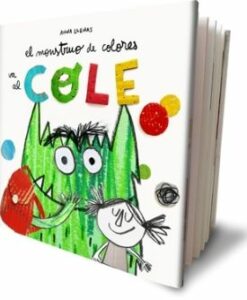
“El monstruo de colores va al cole”
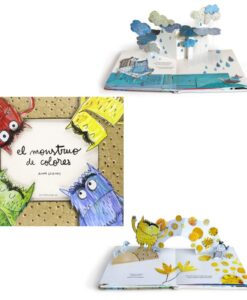
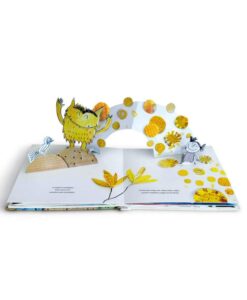
El monstruo de colores – Story
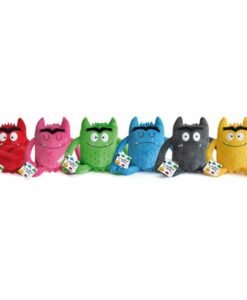
El monstruo de colores – Cuddly toy
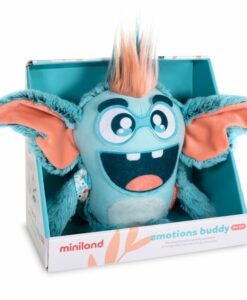
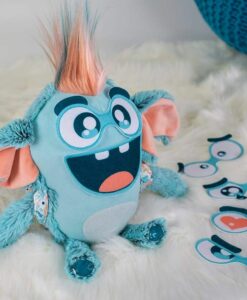

Body mat
A calm corner is not time-out with cushions. It is a place a child goes to before melting down, by their own choice, and comes back from when they are ready. That distinction decides everything: if it becomes where you send children who have misbehaved, it stops working within a week.
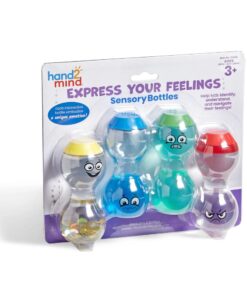
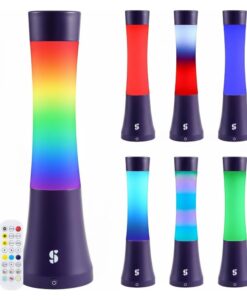
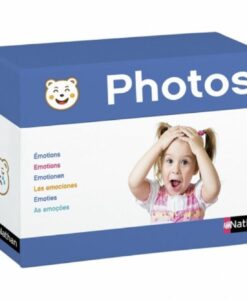
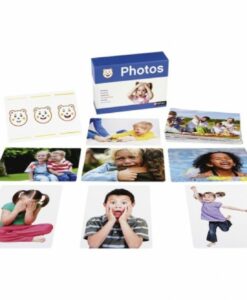
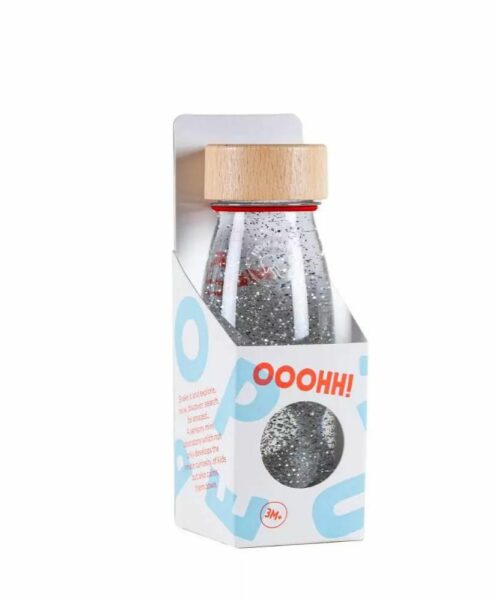
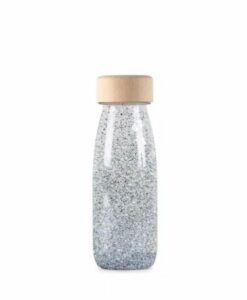
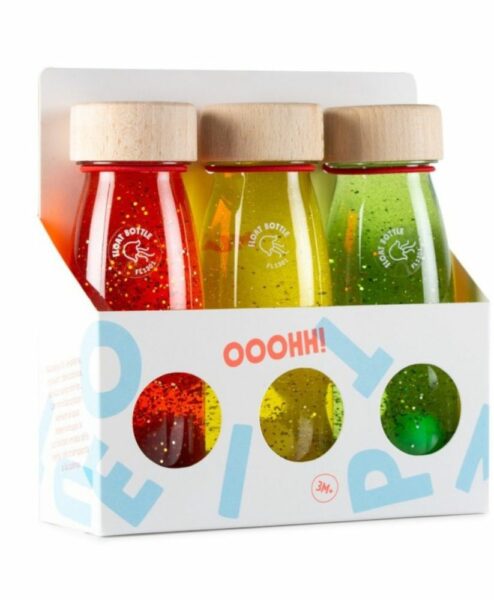
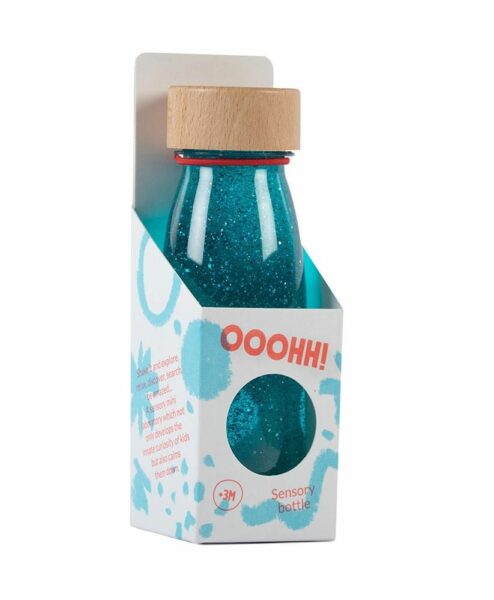
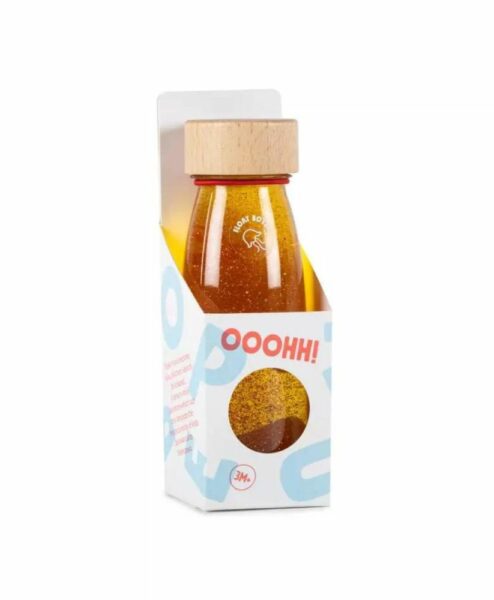
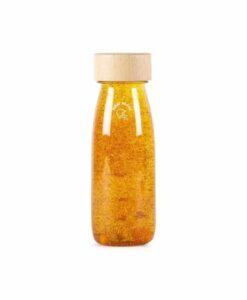
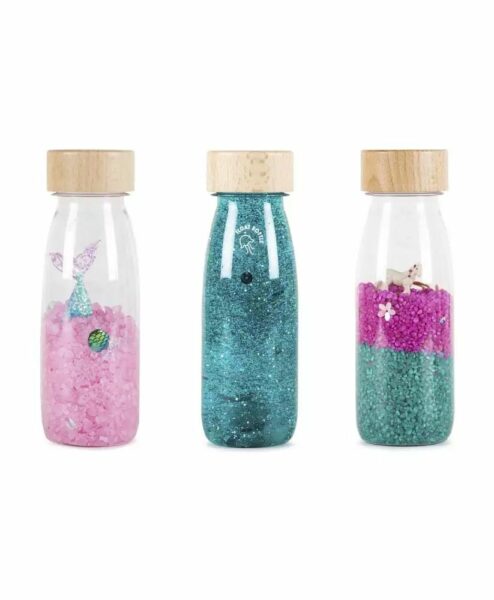
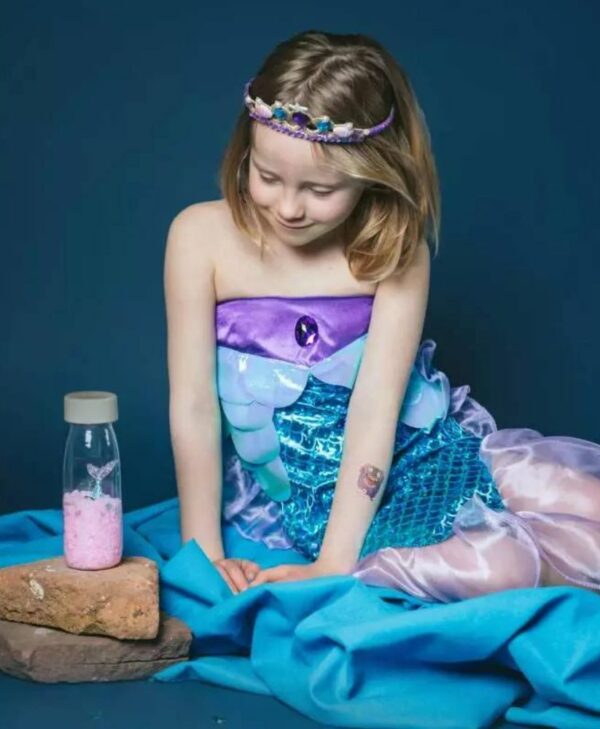
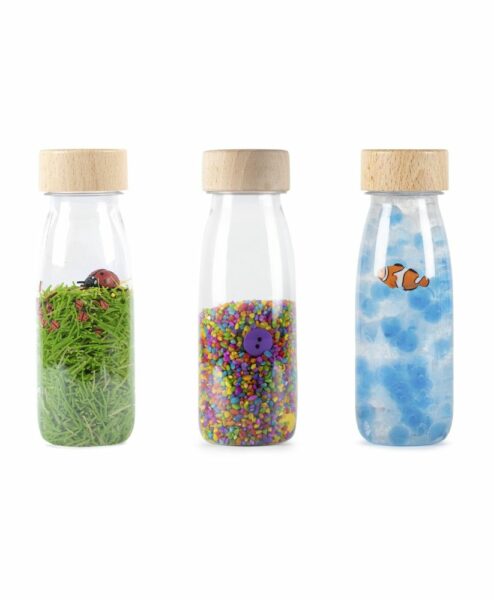
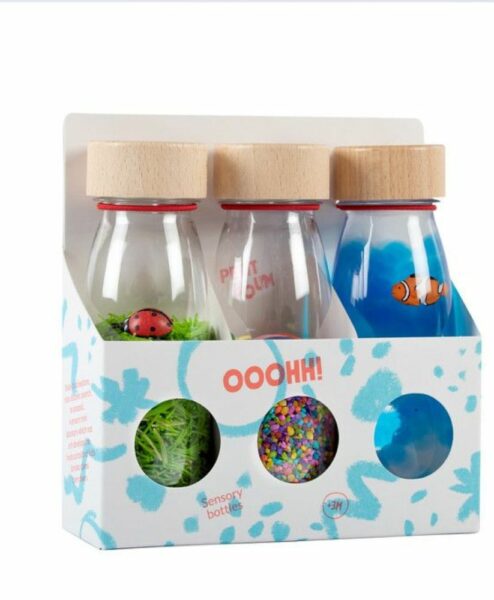
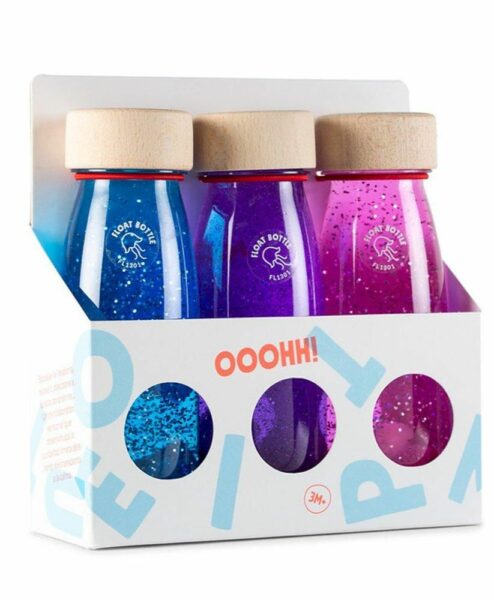
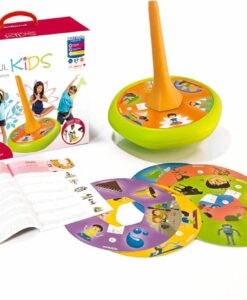
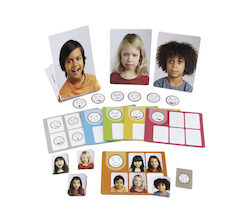
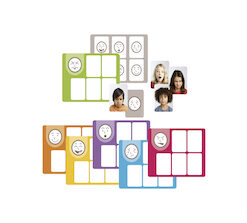
Here you will find what it takes to set one up and keep it alive: sensory bottles with glitter, water and oil, a colour-changing lava lamp, emotion photo cards, picture books by emotion, sound characters and a floor mat.
It is part of the learning corners and works well alongside the multisensory corner. For material to plan the developmental area, see emotional education.
Why the sensory bottle is the centrepiece
It looks like an ornament and it is a tool with very specific logic. A child in full escalation cannot take in reasoning: the system that processes language is busy. What they can do is watch something move slowly.
Falling glitter takes between one and three minutes to settle, and that window is not accidental: it is roughly what the body needs to come down from acute arousal. The child does not have to understand anything or count to ten. They just watch, and while they watch their breathing falls in with the slow rhythm of what they see.
It also has a practical advantage you appreciate in a class of twenty-five: it explains itself. No adult needs to guide it. The child picks it up, shakes it and waits. Once the glitter has settled, they are usually ready to rejoin.
They come at different speeds — oil-based bottles fall far more slowly than water-based ones — and auditory versions add sound to the movement, useful for children who need more sensory input to engage.
Setting up a corner that actually gets used
Most calm corners are built in September and stand empty by November. What separates the ones that last:
The location. Within the adult's line of sight but out of the traffic flow, with a clear physical boundary — a shelf unit, a rug, a corner — so it is obvious when you are inside it.
Few objects, always the same ones. Three or four fixed items beat a full basket. Predictability is part of the effect.
Going there without asking. The moment a child has to raise their hand to go, the corner becomes something the adult manages and loses its whole point, which is learning to self-regulate.
The adult uses it too. Seeing you pick up the bottle and breathe for a minute teaches more than any explanation.
What to include besides the bottles
- Light that changes slowly. A lava lamp or a warm light source marks the space and lowers arousal on its own.
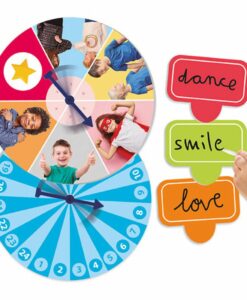
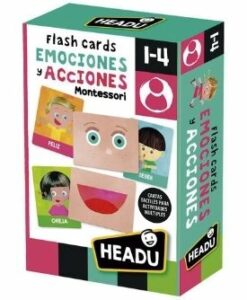
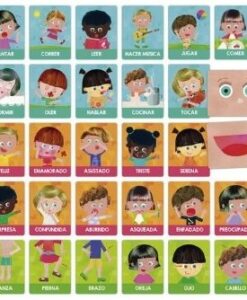
- Emotion photo cards with real faces. For pointing at how you feel when the word will not come. Hung at child height.
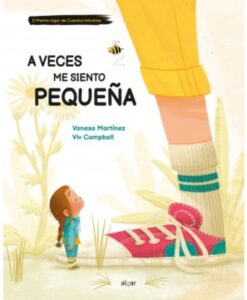
- Picture books. Read them when things are calm, not mid-conflict, and never finish with a moral.
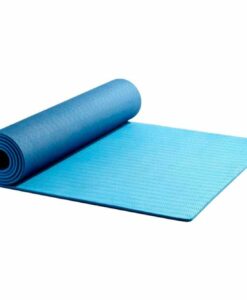
- Something with weight or texture. A mat, a weighted soft toy. Deep pressure organises the body faster than words do.
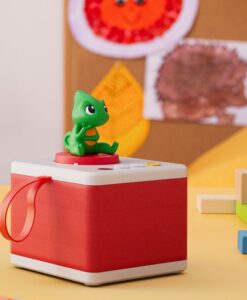
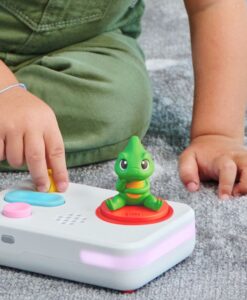
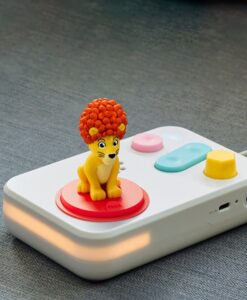
- A sound character with short stories, for children who settle better by listening than by looking.
Frequently asked questions
What is a sensory bottle and what is it for?
A sealed transparent container holding water, oil and elements that fall slowly — glitter, sequins, beads. When shaken, the contents take one to three minutes to settle. That stretch of quiet watching helps bring arousal down without verbal instructions, which is precisely what an overwhelmed child cannot process.
What age is it suitable for?
From around one year as an object to watch, and from two or three with regulation in mind. With babies it is used under supervision, more as visual stimulation than as calming. Always check the seal is secure.
Is a calm corner the same as time-out?
No, and confusing the two is what ruins it fastest. Time-out is a consequence the adult imposes after a behaviour. A calm corner is a resource the child chooses to use and leaves when they want. Used as a punishment, it stops being a safe space and children stop going.
How much space does it need?
Less than you would think. One square metre with a rug, a light source and a shelf is enough. What matters is a visible boundary and being out of the traffic flow, not size.