




Emotional education

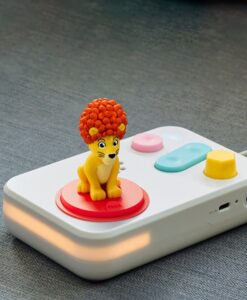




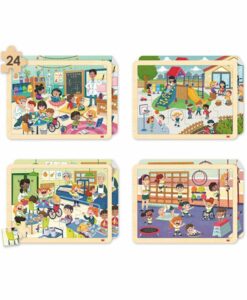

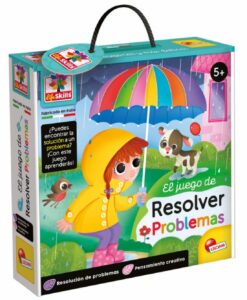
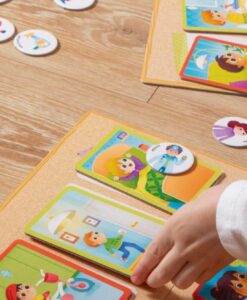
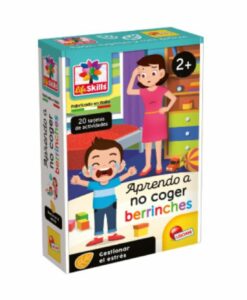
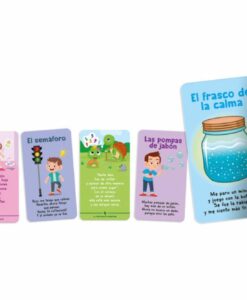
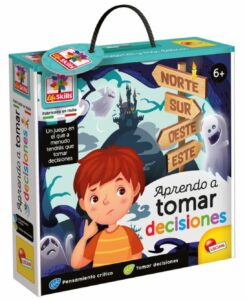
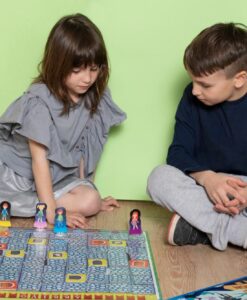
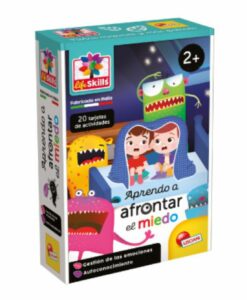
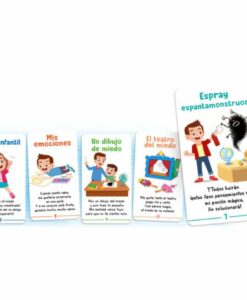
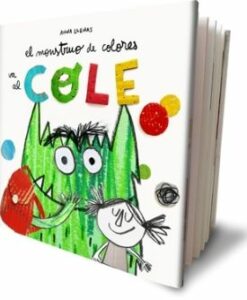
“El monstruo de colores va al cole”
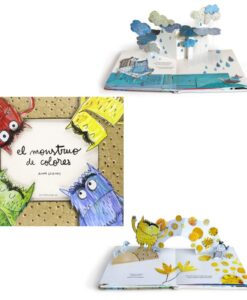
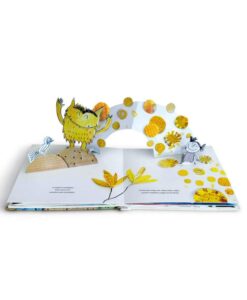
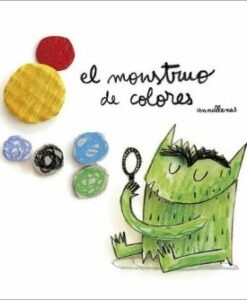
El monstruo de colores – Story
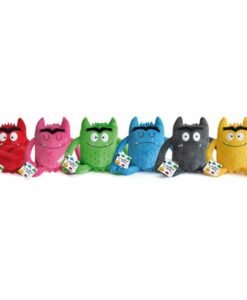
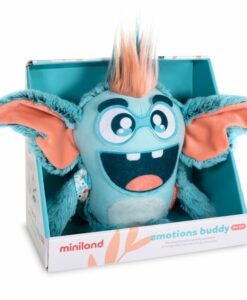
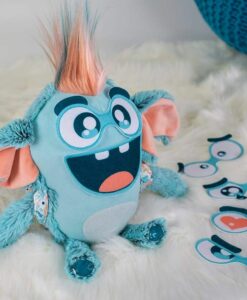
El monstruo de colores – Cuddly toy
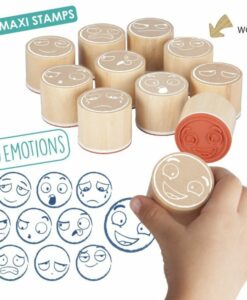
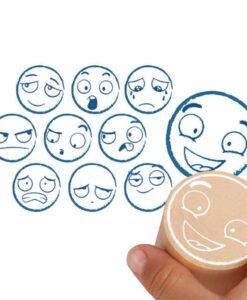
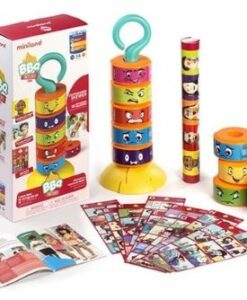
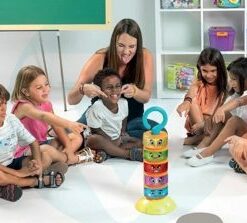
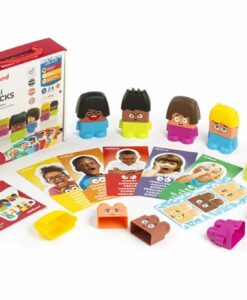
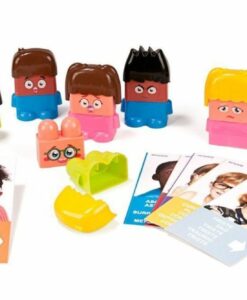
Emotional education works when it stops being a Friday activity and starts living in the routine: in how a playground conflict gets resolved, in how what happens at lunch gets named, in what you do when someone cries. That needs material usable at any moment, not just in the scheduled session.
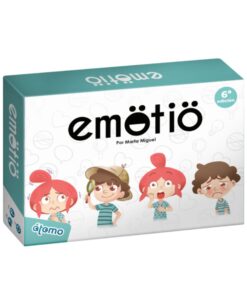
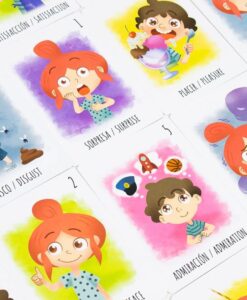
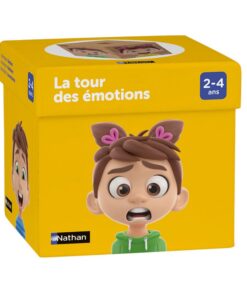
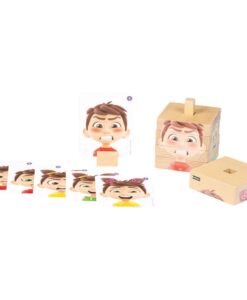
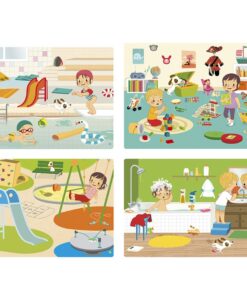
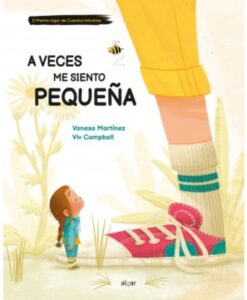
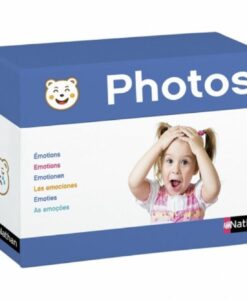
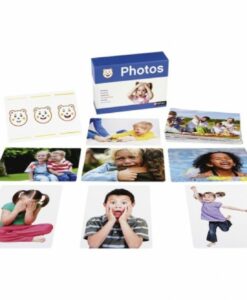
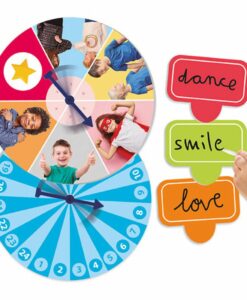
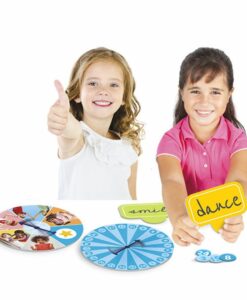
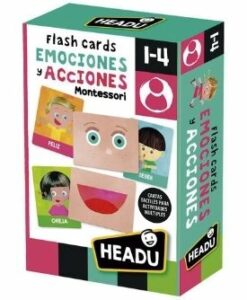
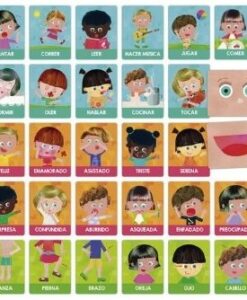
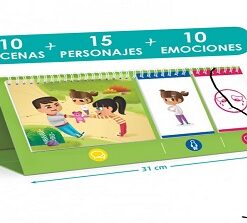
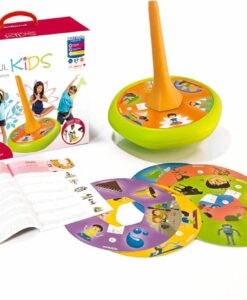
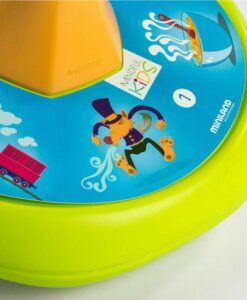
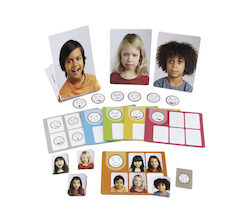
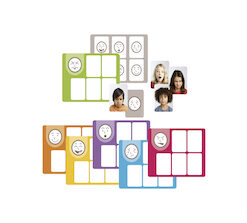
Here you’ll find resources designed for the classroom and the therapy room: real-face emotion photo cards, picture books by emotion, identification games, material on everyday school situations, and communication and coexistence resources.
It is part of areas of development and connects with social skills. For the play-at-home angle, see emotions games.
How an effective programme is structured
- Emotional awareness. Recognising what happens in the body and naming it. The foundation, and the part that takes longest.
- Regulation. Concrete strategies for when emotion runs high. Only works if the previous step is in place.
- Emotional autonomy. Self-esteem, responsibility, attitude to difficulty.
- Social competence. Listening, resolving conflict, taking another's perspective.
- Wellbeing. Applying all of the above to real life.
The common mistake is starting at step 2 — teaching deep breathing — with children who can't yet tell anger from anxiety.
Real-face photo cards: why classrooms use them
Yellow cartoon faces are convenient and carry a problem: they simplify emotion until it's unrecognisable in real life. A drawn angry face looks nothing like a classmate's angry face in the playground.
Photographs of real faces carry nuance, context and ambiguity — exactly what the child will have to read outside. That's why they're the reference material in autism work and in social competence programmes.
One high-value, low-cost use: keep them accessible on the wall so a child can point to how they feel when the word won't come.
Picture books as a group work tool
In a group, a picture book does something no discussion activity manages: it allows a conflict to be discussed without singling anyone out. You talk about the character, and each child recognises whatever they choose to.
It works especially well for topics that are hard to address directly: overwhelming anger, jealousy, fear, unexplained sadness, shame. And for specific school situations there's dedicated material, useful both for rehearsing beforehand and reviewing afterwards.
Two conditions make the difference: read it when things are calm, not straight after the incident, and don't finish with a moral. The moment an adult adds the lesson, the book stops being a mirror and becomes a telling-off with pictures.
Frequently asked questions about emotional education
What is emotional education?
The educational process that develops the ability to recognise, understand and manage one's own and others' emotions. It's usually structured around five competences: emotional awareness, regulation, autonomy, social competence and wellbeing.
What does an early years classroom need?
Little, well chosen: emotion photo cards accessible on the wall, a handful of picture books by emotion, and an identification game for small-group work. Adding material without using what's already there is the commonest mistake.
How do you work with a very mixed group?
The picture book handles heterogeneity best: the same book works for a four-year-old and a seven-year-old, because each takes what they can.
Is it suitable for autistic children?
Yes, and it's usually needed explicitly. Real-face photographs work better than drawings, and it's worth including work on the child's own bodily sensations, not just reading others' faces.