




Space orientation





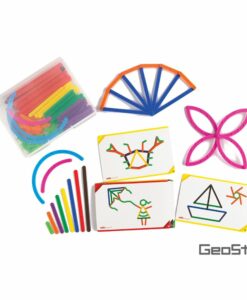
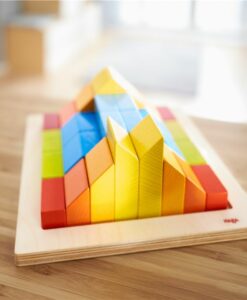
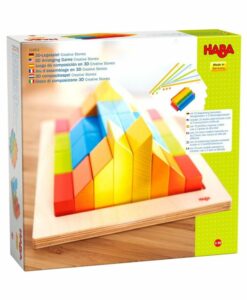
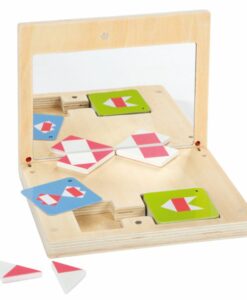


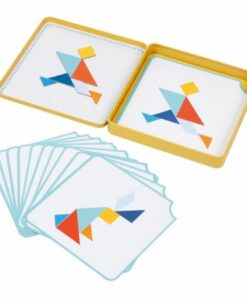
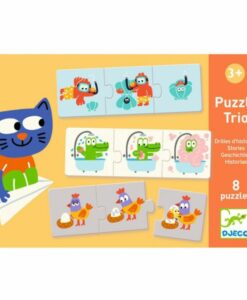
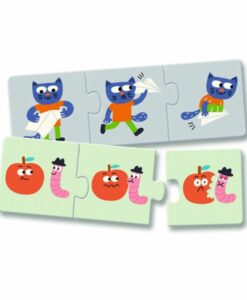
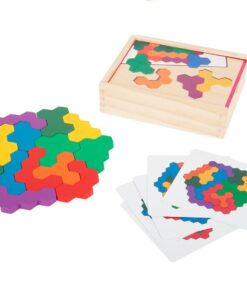
Spatial orientation is knowing where everything sits in relation to yourself and to everything else. It sounds abstract and it’s one of the most practical skills there is: without it, copying from the board is hard, fitting letters on the line is hard, telling b from d is hard, and so is remembering the way back to the bathroom.
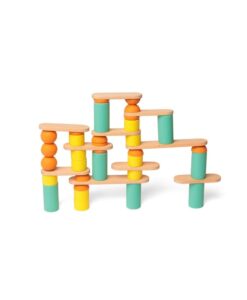
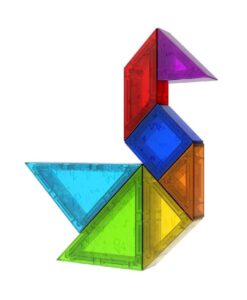
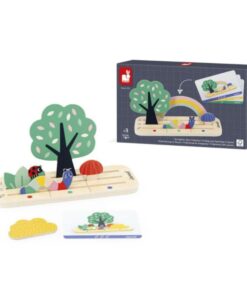
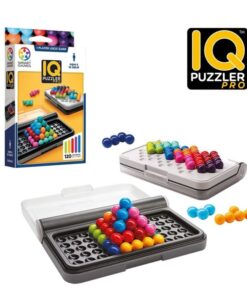
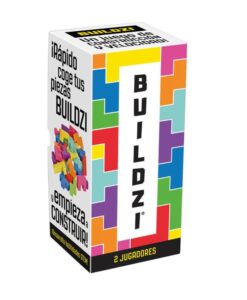
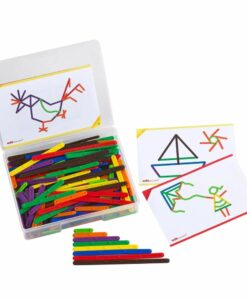
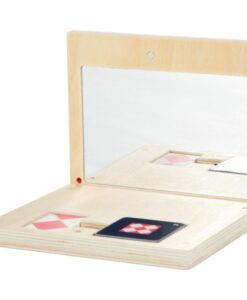
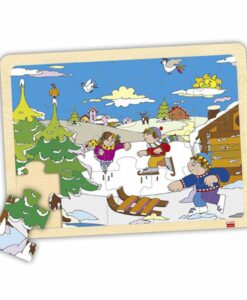
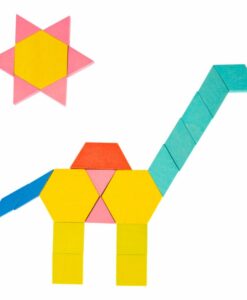
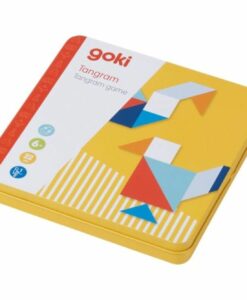
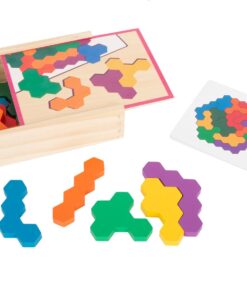
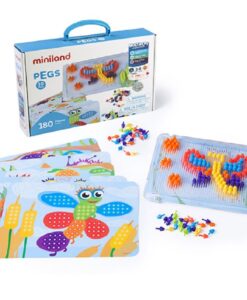
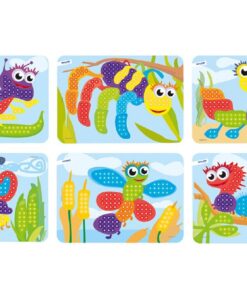
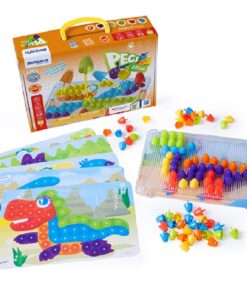
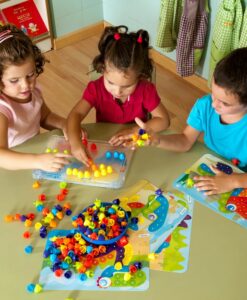
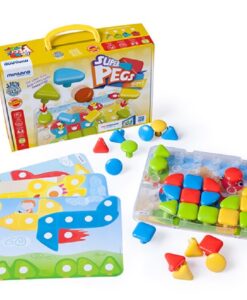
Here you’ll find hands-on material for working on it: three-dimensional tangram, mirror symmetry games, flat construction sets like GeoStix, 3D composition, inset puzzles and pegboards for reproducing models.
It is part of areas of development and builds on fine motor skills.
What spatial orientation actually covers
- Spatial relations. Above, below, in front, behind, between, beside. It's the foundation, and it's language: without the words there's no concept.
- Laterality. Left and right, first on one's own body and much later on paper and on someone else.
- Form and position perception. Recognising a shape is still the same shape when rotated. This is where b/d/p/q confusion lives.
- Mental rotation. Picturing how a piece would look turned before moving it. That's what tangram trains.
- Organisation on the page. Distributing space, respecting margins, not bunching up.
Why this explains a lot of school difficulties
Visual-spatial difficulty rarely arrives under that name. It arrives as "his handwriting is terrible", "she doesn't copy from the board", "he skips lines" or "she mixes up letters". Behind all of them sits a skill that can be trained very concretely.
Confusing b and d isn't a memory problem: they're the same shape in a different orientation, and a child who can't yet discriminate position won't tell them apart however often they practise. Copying from the board requires holding a spatial reference while switching from a vertical plane to a horizontal one. And maths depends on space more than it seems: lining units up under units is a spatial task before it's a numerical one.
Hands-on material works better than worksheets because the child can actually rotate the piece before having to rotate it mentally. That's the right sequence: hands first, head second.
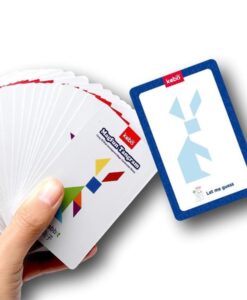
Grading model-copying tasks
- Full-size model underneath. The child places pieces directly on the card.
- Full-size model alongside. Now information has to be transferred from one place to another.
- Reduced model. Scale appears, which is a significant jump.
- Silhouette only, no internal lines. The child must work out how the figure breaks down.
- No model, verbal instruction only. Here language carries the whole task.
Frequently asked questions about spatial orientation
What is spatial orientation in children?
The ability to locate oneself and objects in space and understand the relationships between them: above, below, to the right, rotated. It includes laterality, position perception and mental rotation of shapes.
What age is it worked on?
Basic concepts come between 3 and 5, always tied to the body and to language. Left and right on oneself arrive around 6, and applied to another person considerably later, around 8. A six-year-old muddling left and right is entirely normal.
Is confusing b and d dyslexia?
Not necessarily. Up to around 7 it's common and relates to position perception. If it persists beyond that, or comes with other reading difficulties, an assessment is worthwhile. Meanwhile, working on shape orientation usually helps more than drilling the letter.
What material is best to start with?
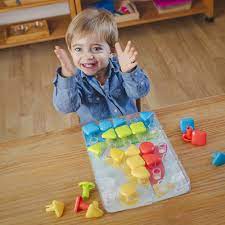
Model-copying games with large pieces and few variables: insets, chunky pegboards, tangram with the card underneath. What matters isn't the material but the progression.