




Balance and motor skills
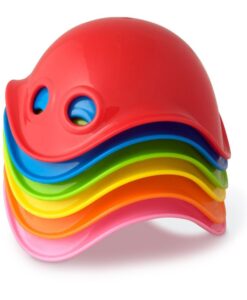
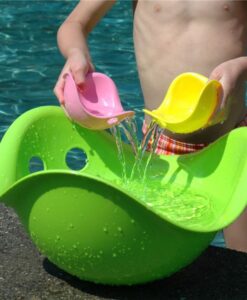


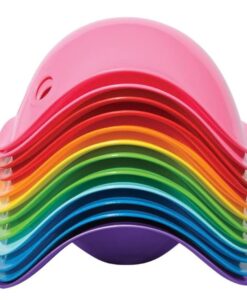
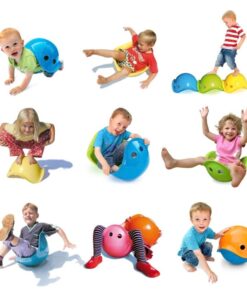
Bilibo Moluk – Balance and Movement Toy
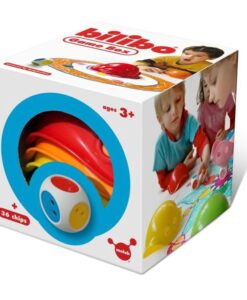

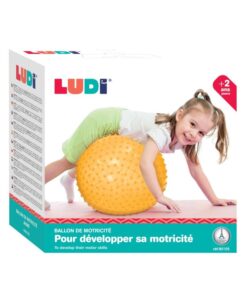


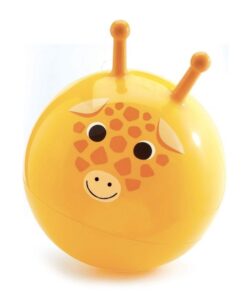
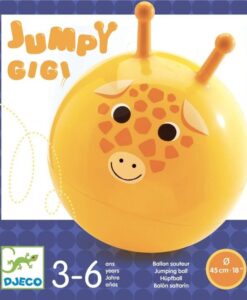
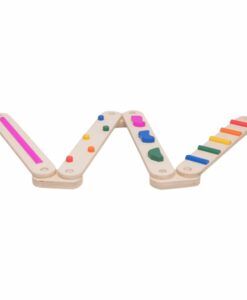
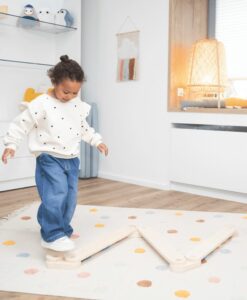
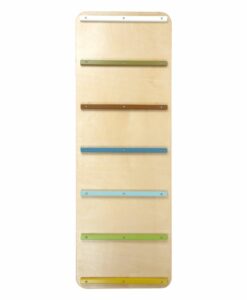
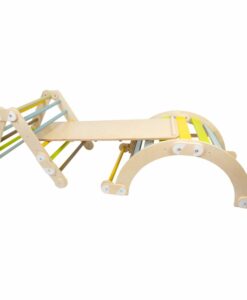
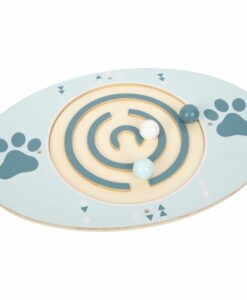
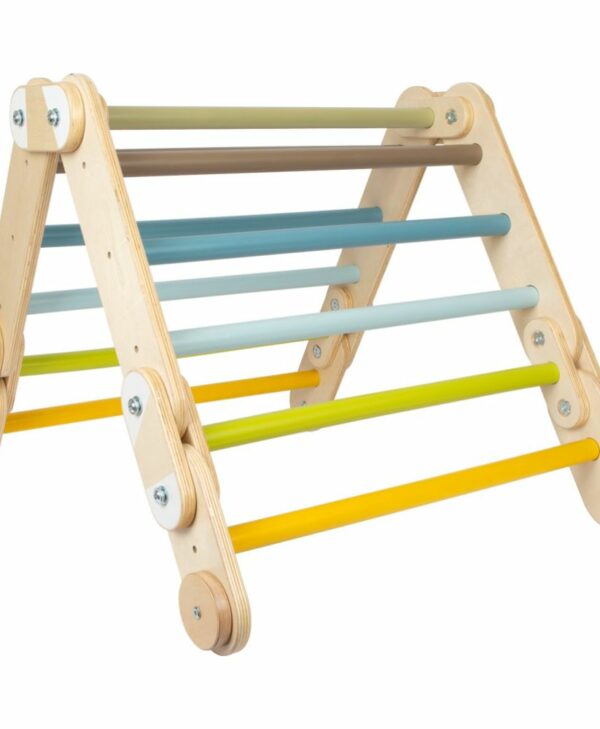
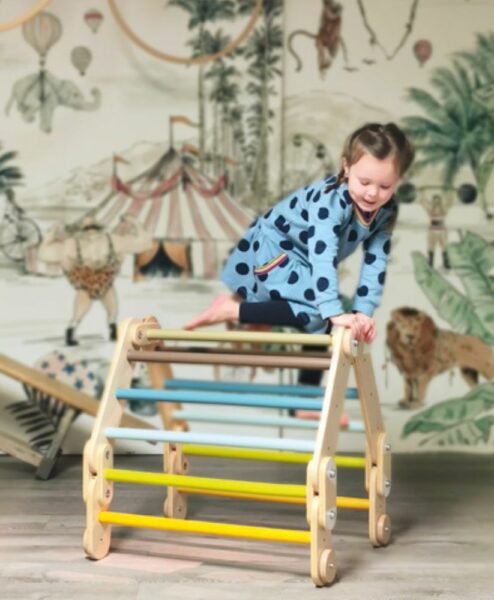

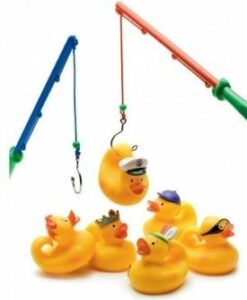
Duck fishing – Skill game
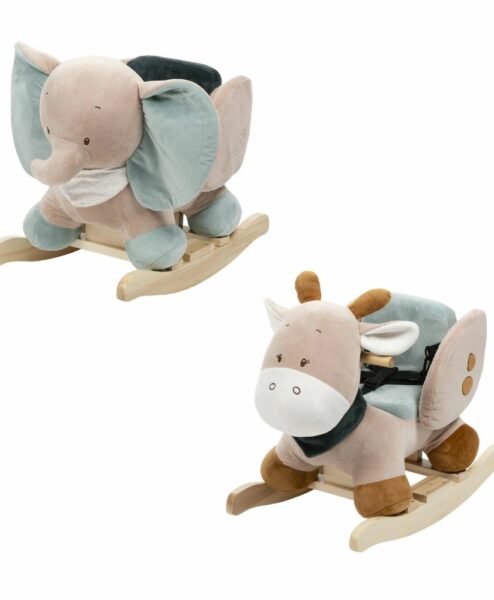
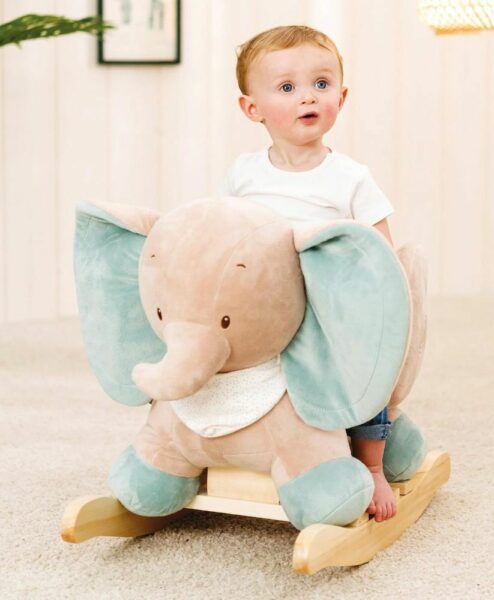
Velvet animal rocking horse – rocking

Wooden rainbow XL
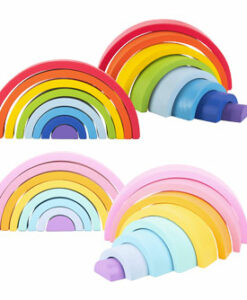
Medium wooden rainbow
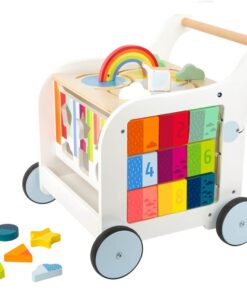
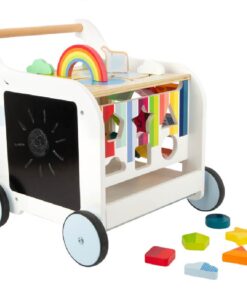
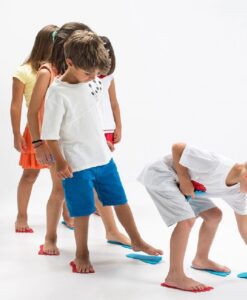
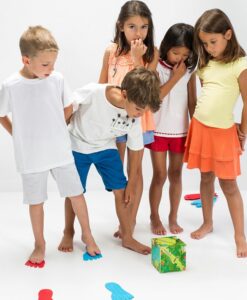
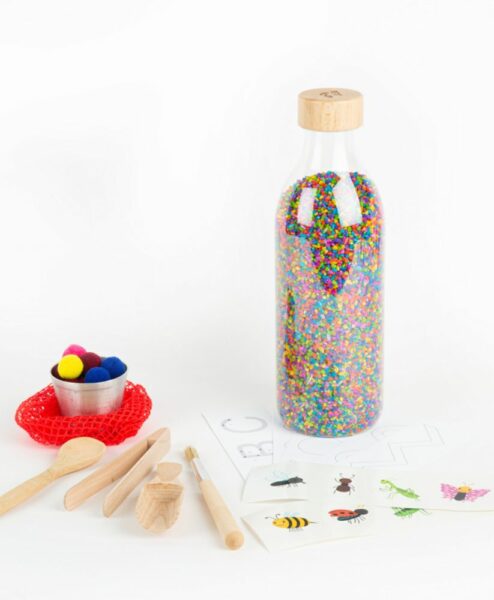



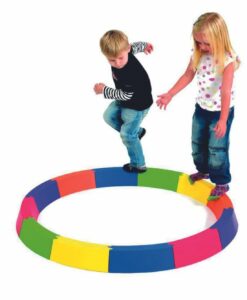



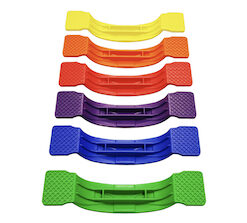
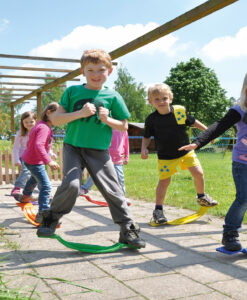
Balance isn’t just staying upright. It’s a sense: the vestibular system reports continuously on where the head is and which way it’s moving, and posture, gaze and a good deal of attention all depend on it.
This material works that input. It isn’t PE equipment: it’s vestibular and proprioceptive stimulation, which is why it sits in the multisensory section rather than under gross motor skills.
What you'll find
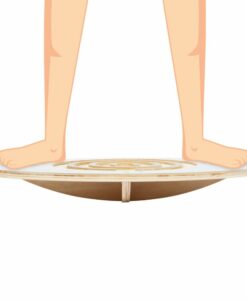
Curved and balance boards
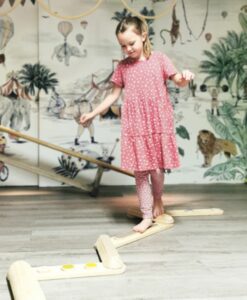
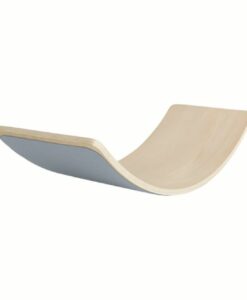
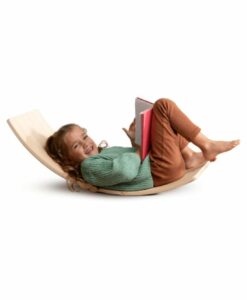
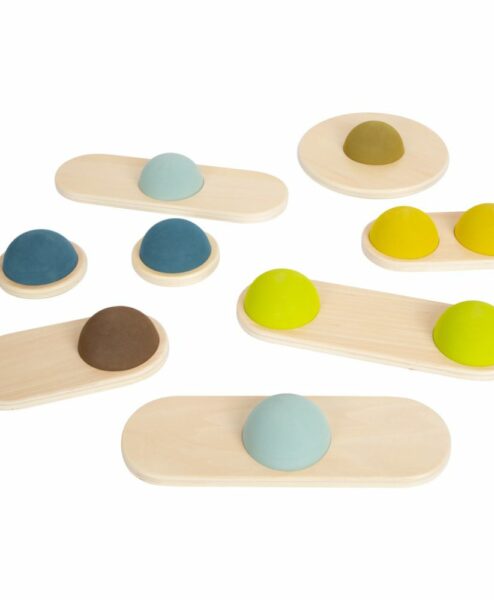
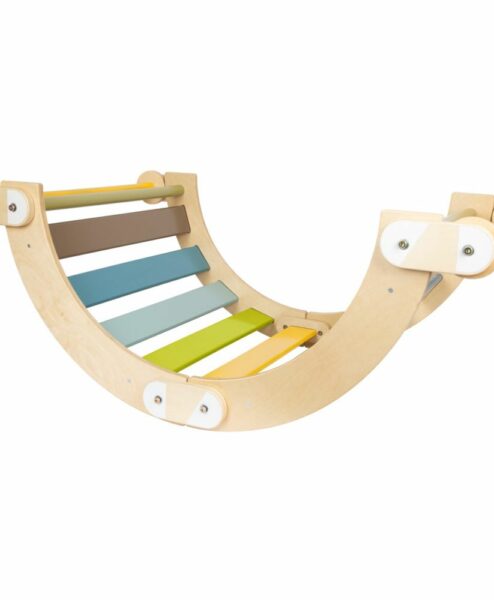
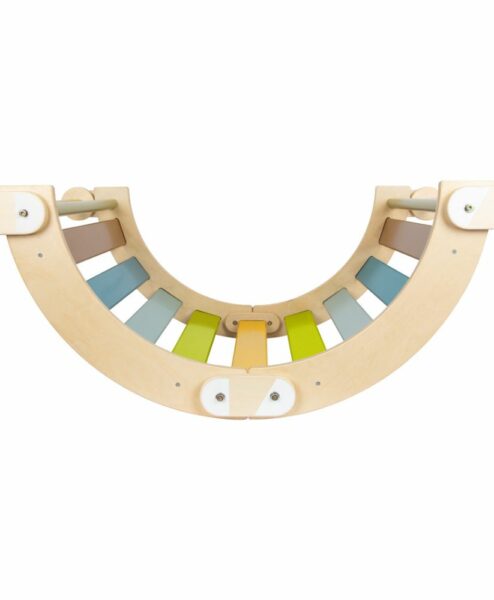
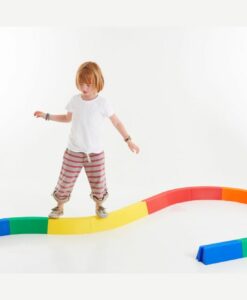
Unstable surfaces that force continuous postural adjustment. The wooden curved board also works as a bridge, a slide and a seat: it's one of the longest-serving items in the catalogue.
Rockers and movement
Climbing rockers, animal rockers, rocking platforms. Slow rhythmic rocking is among the most calming inputs there is; fast and irregular rocking, among the most alerting.
Bilibo and open-ended pieces
The Bilibo is a plastic shell with no instructions: spin it, stand on it, wear it as a helmet, use it as a bucket or a swivel seat. Open-ended play material with vestibular input built in.
Wobble cushions
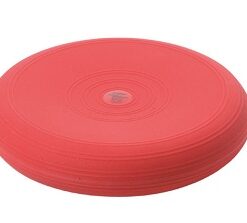
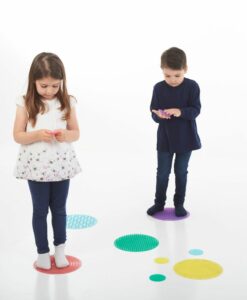
Air discs that allow movement while seated. They give constant proprioceptive input and improve sitting tolerance for many profiles.
Vestibular and proprioceptive: why they travel together
The vestibular system tells you where the head is and how it's moving. Proprioception tells you where the joints are and how much force is being used. Almost no activity engages only one: spinning in a Bilibo moves the head and demands pushing with the hands at the same time.
These are the two "deep" systems — the least noticed and the most organising. When a child seeks movement constantly, they're usually asking for that input, not misbehaving.
Where this section ends and gross motor begins
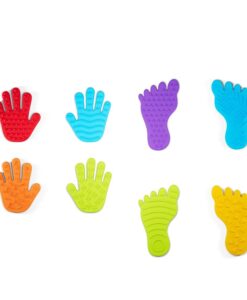
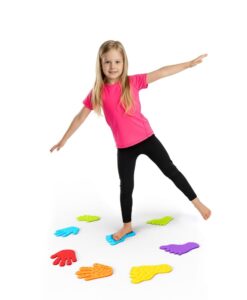
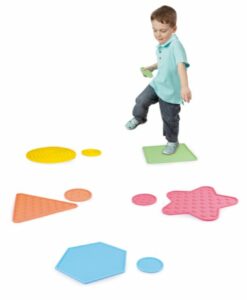
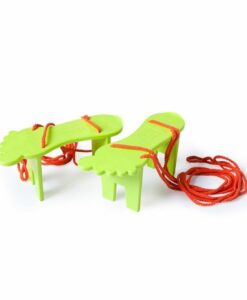
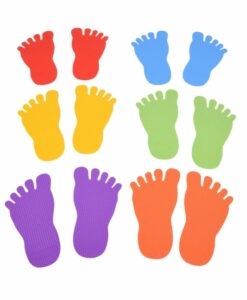
Here we work balance as a sensation: unstable surfaces, rocking, spinning, pressure. If what you want is whole-body classroom movement — circuits, footprints, stilts, sensory paths — that's under gross motor skills. And in play terms, under motor skills games.
Frequently asked questions
Does rocking calm or alert?
It depends on the rhythm. Slow, rhythmic and predictable calms; fast, irregular and with direction changes alerts. It's the same difference as between rocking a baby and putting them on a swing.
How long can it be used for?
Intense vestibular input has a long tail and can cause dizziness or over-arousal hours later. The usual guidance is short bouts and close observation, especially at first.
Does it help a child who can't sit still?
That's usually exactly the profile that needs it most. A spell of vestibular and proprioceptive input before a table task achieves more than asking them to stay still.