




Anti-stress toys
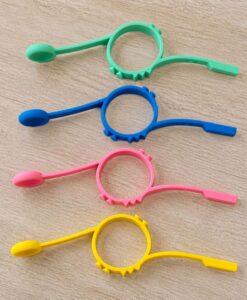

Pulsera sensorial – Layron Sense


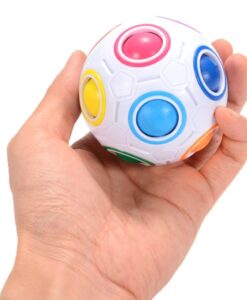
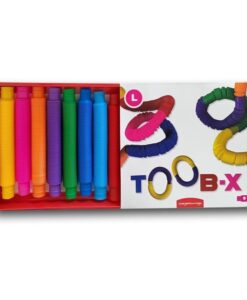
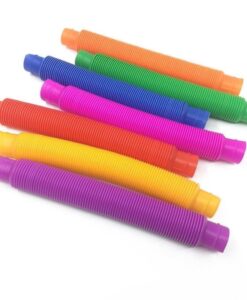









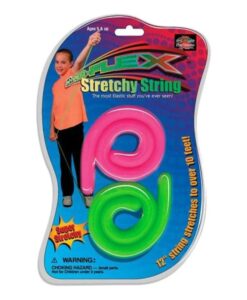
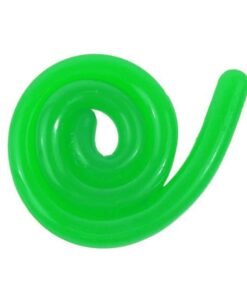


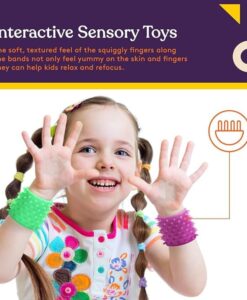


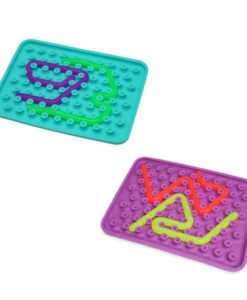

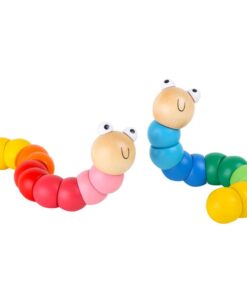
Fidget sensorial – Wiggly Toy


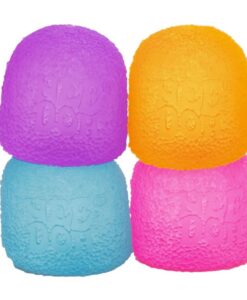


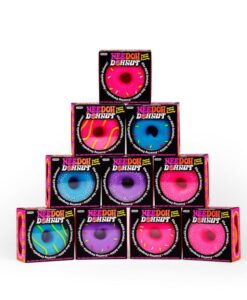


A fidget is a small object made to give your hands something to do while your head is somewhere else: squeezing, stretching, spinning or kneading, over and over. It doesn’t entertain, it settles. That background movement takes up the restless part of attention and frees the part you need to listen, to wait, or to stay with a long task.
This category holds the anti-stress toys we use in clinic and in the classroom: to squeeze, to stretch, to manipulate and to wear. They help a child who needs to move in order to focus, an adult who releases tension through their hands, and anyone looking for a discreet outlet for anxiety.
It is part of type of toy. If you are looking by profile rather than by object, the full catalogue is in autism resources and in ADHD materials.
What a fidget is, and why it works
The underlying idea is simple: small, repetitive movement lowers arousal. When the hands have an automatic job to do, the body stops looking for other outlets —standing up, biting nails, rocking— and attention holds better.
That is why a fidget is not a reward or a break-time toy. It is a tool used during the activity: while a explanation is being given, while waiting for a turn, while working through something difficult.
What is the difference between a fidget and an anti-stress toy?
In practice the terms are used interchangeably. If there is a nuance, it is where the movement goes: an anti-stress toy is associated with releasing tension —squeeze hard, let go— and a fidget with keeping up a continuous, low-intensity movement alongside concentration. Almost every object on this page does both.
Do they work for adults?
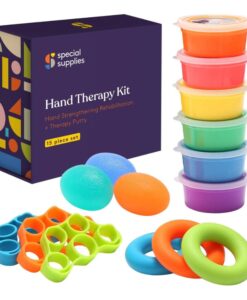
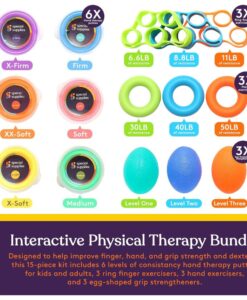
Yes, and it is one of the most common uses. An adult squeezing a ball through a long meeting, or turning an object over while on the phone, is doing exactly what a child does in class. Resistance balls and the hand therapy kit are also used to work on hand strength and mobility.
The four types, and what each one is for
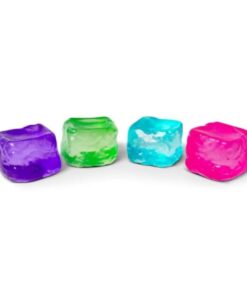
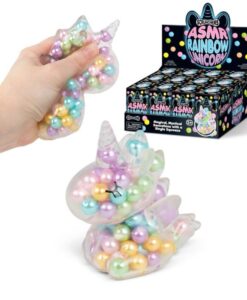
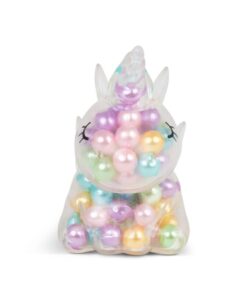
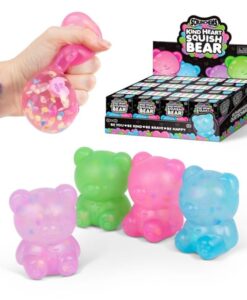
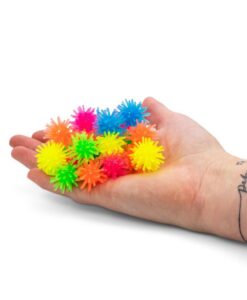
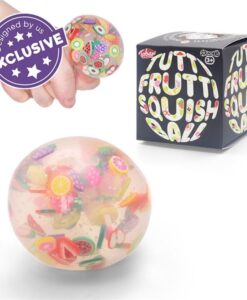
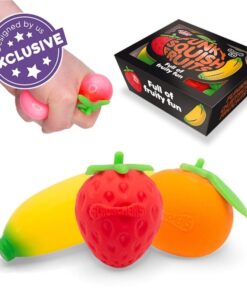
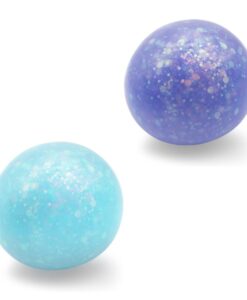
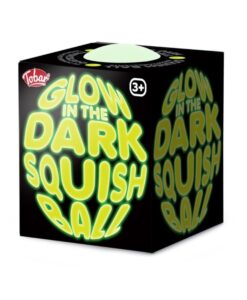
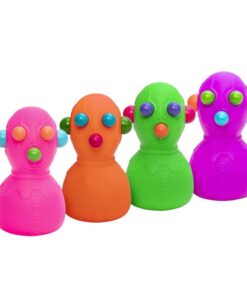
- To squeeze. Sensory balls, squishies and figures like Panic Pete. They give resistance and spring back: the most direct way to discharge tension.
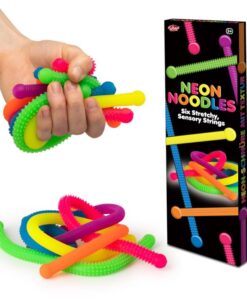
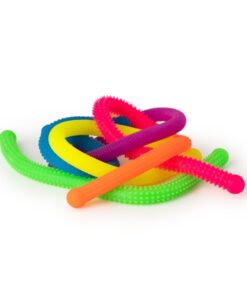
- To stretch. Sensory noodles, Hyperflex elastic cords and stretchy bracelets. Wide, slow movement, useful when the goal is to wind down.
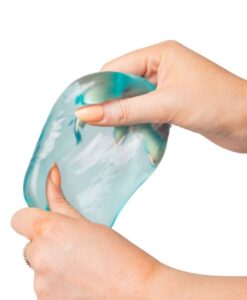
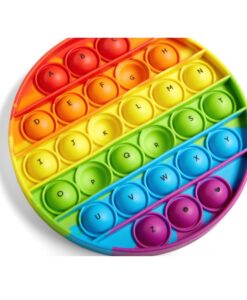
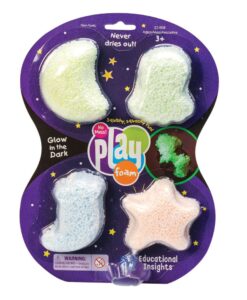
- To manipulate. Pop-its, BOINKS! calming tubes, the Wiggly Toy, light-up tubes and Playfoam-style putties. Fine, repetitive movement, the kind that sits best alongside desk work.
- To wear. Squishy and textured bracelets. They stay on the wrist and are available without unpacking anything, which is what makes them actually get used.
How to choose one that gets used instead of ending up in a drawer
Start with texture, not colour. Some people need firm resistance and others need something soft; some look for a rough surface and others cannot stand anything sticky. If the object does not match that preference, it will not be used.
Keep it silent if it is for the classroom. Pop-its and noisy tubes work at home, but in a classroom they can become the centre of attention, which is the opposite of the point.
Have more than one. The effect wears off: a fidget that has been in a pocket for weeks stops regulating anything. Rotating two or three keeps the tool alive.
What age are they suitable for?
Small parts and anything that stretches a long way are not for children under three, or for anyone who still puts everything in their mouth. In that case the right material is in teethers, which are designed to be chewed.
Who we sell these to most
Children on the autism spectrum. As support for self-regulation and as a safe alternative to self-stimulatory behaviours that disturb others or cause harm. The full catalogue is in autism resources.
Children and adults with ADHD. To give movement an outlet rather than trying to suppress it, which never works. Alongside visual timers and movement cushions, in ADHD materials.
Sensory work. When what you are after is tactile input rather than attention regulation, the right category is multisensory stimulation.